
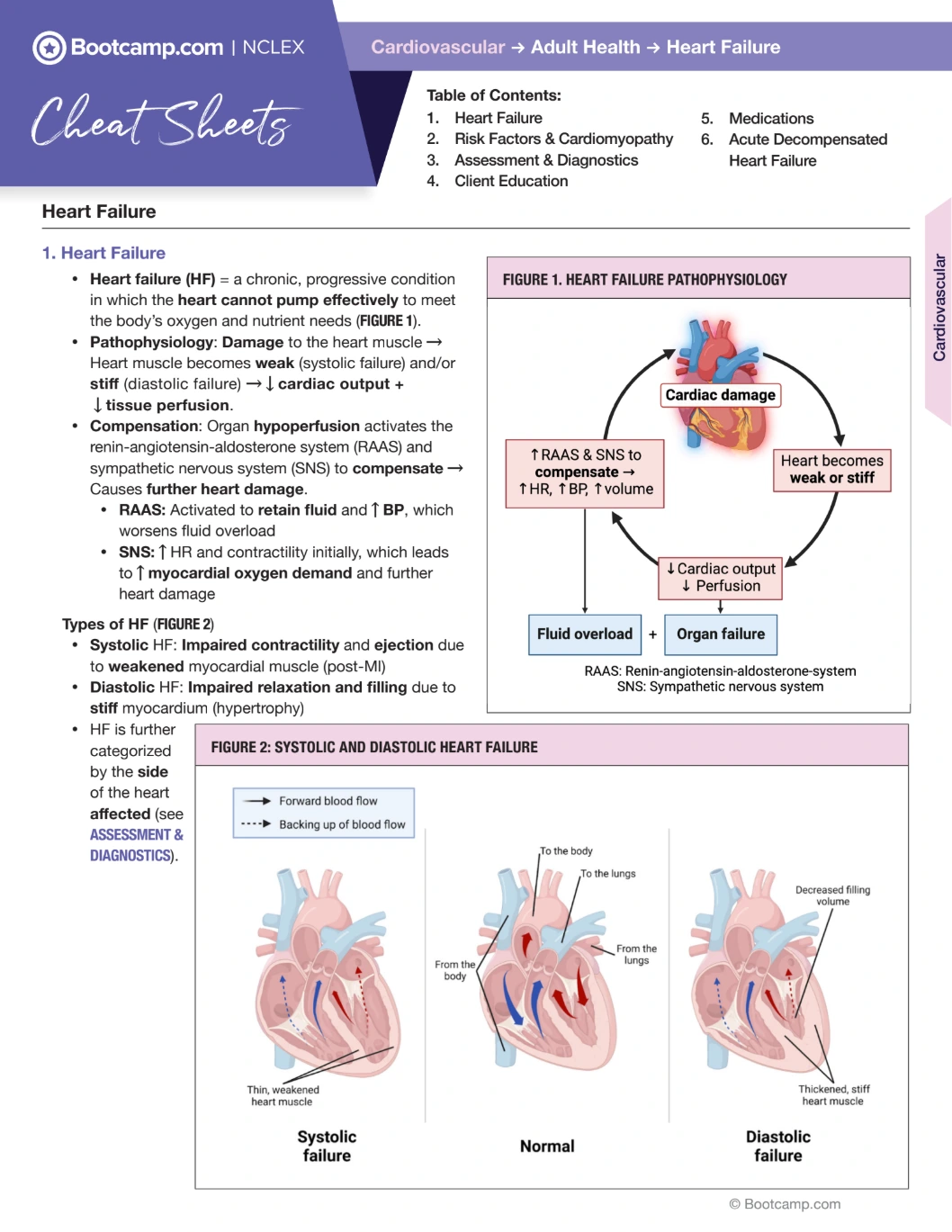
This cheat sheet covers heart failure, including risk factors, cardiomyopathy, assessment, diagnostics, medications, and acute decompensated heart failure. It emphasizes client education for managing this chronic, progressive condition and recognizing worsening symptoms.
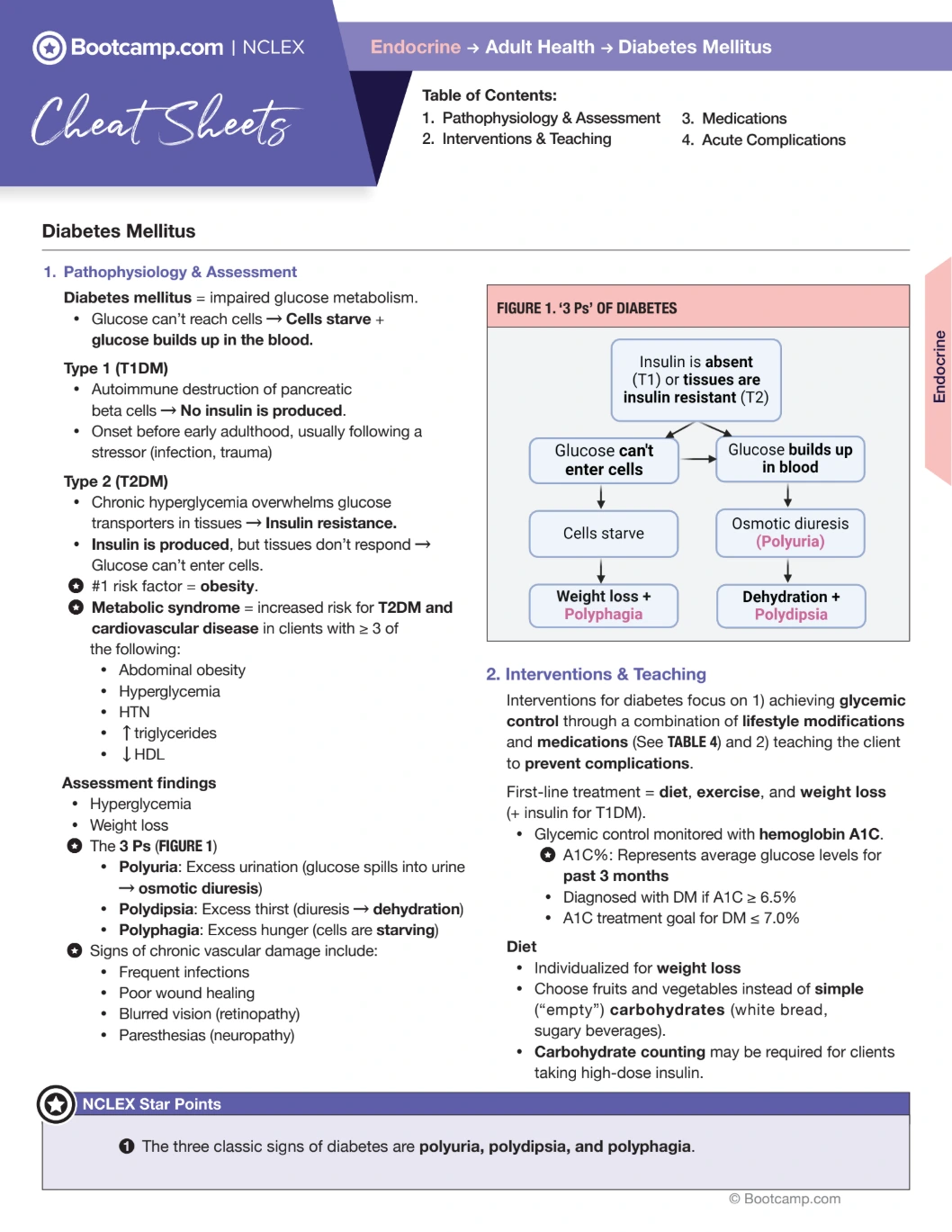
This cheat sheet covers diabetes mellitus, explaining type 1 vs. type 2 pathophysiology, assessment, medications, and acute complications. It emphasizes glycemic control through diet, exercise, and weight loss, monitoring hemoglobin A1C, and teaching clients to prevent complications.
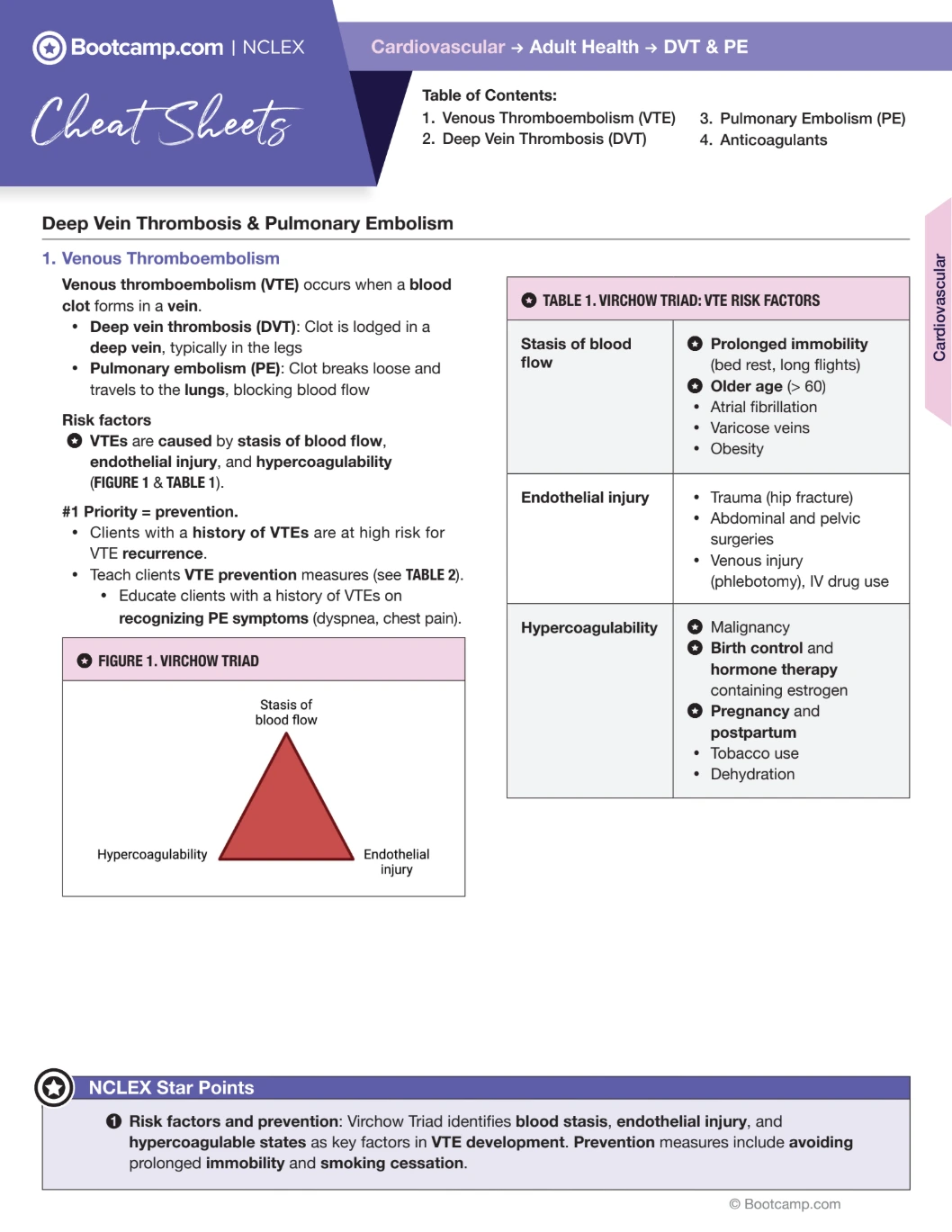
This cheat sheet covers venous thromboembolism, including deep vein thrombosis, pulmonary embolism, and anticoagulants. It emphasizes prevention as the #1 priority, explaining the Virchow triad and teaching clients to avoid prolonged immobility and quit smoking.
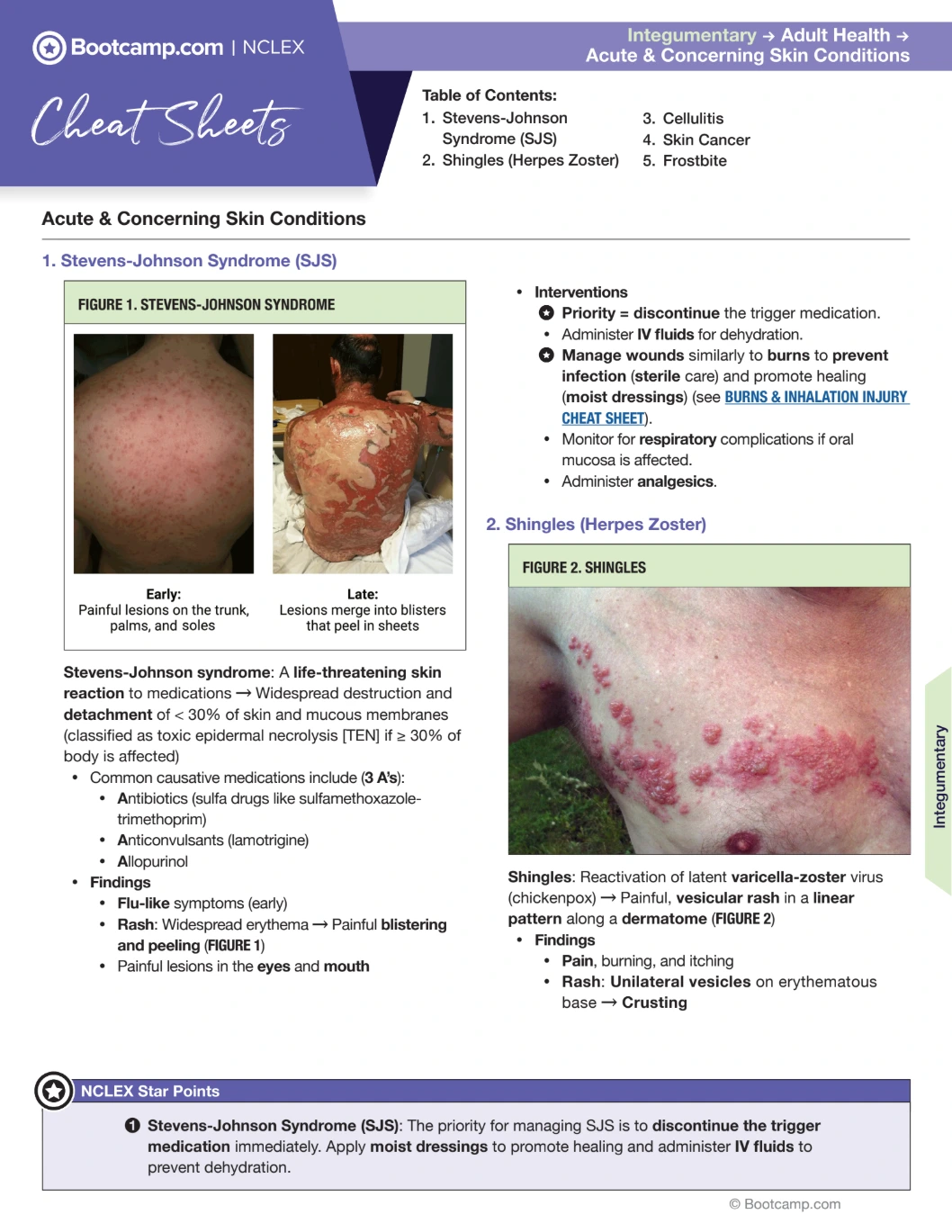
This cheat sheet covers acute and concerning skin conditions, including Stevens-Johnson syndrome, shingles, cellulitis, skin cancer, and frostbite. It emphasizes discontinuing the trigger medication in SJS, burn-style wound care, and teaching sun protection and monthly ABCDE skin checks.

This cheat sheet covers acute kidney injury and chronic kidney disease, explaining prerenal, intrarenal, and postrenal causes, the phases of AKI, and renal replacement therapies like dialysis. It emphasizes monitoring BUN, creatinine, urine output, and daily weights, and watching for potassium imbalances on the cardiac monitor.
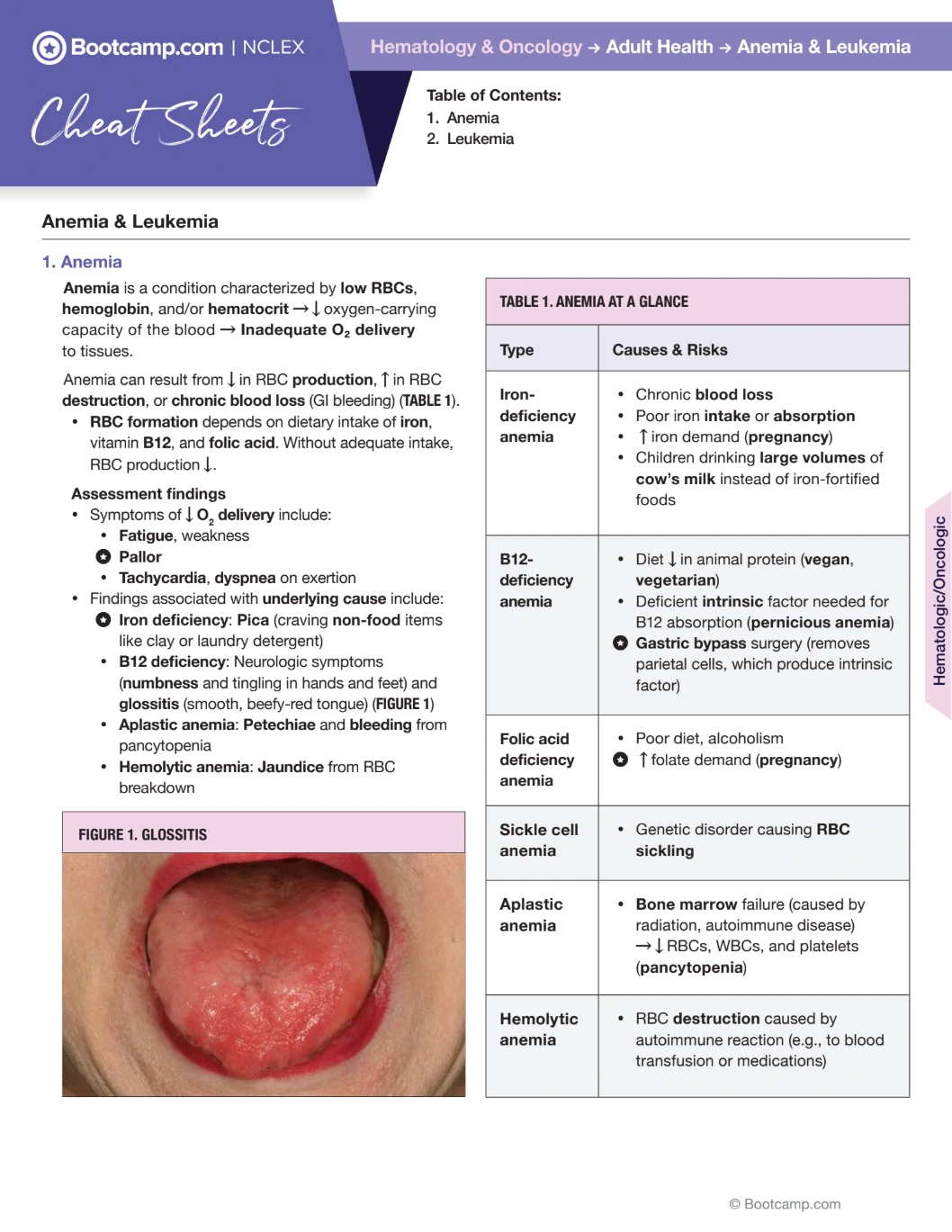
This cheat sheet covers anemia and leukemia, explaining types of anemia like iron-deficiency, B12-deficiency, aplastic, and hemolytic anemia. It emphasizes recognizing signs of decreased oxygen delivery and cause-specific findings like pica and glossitis.
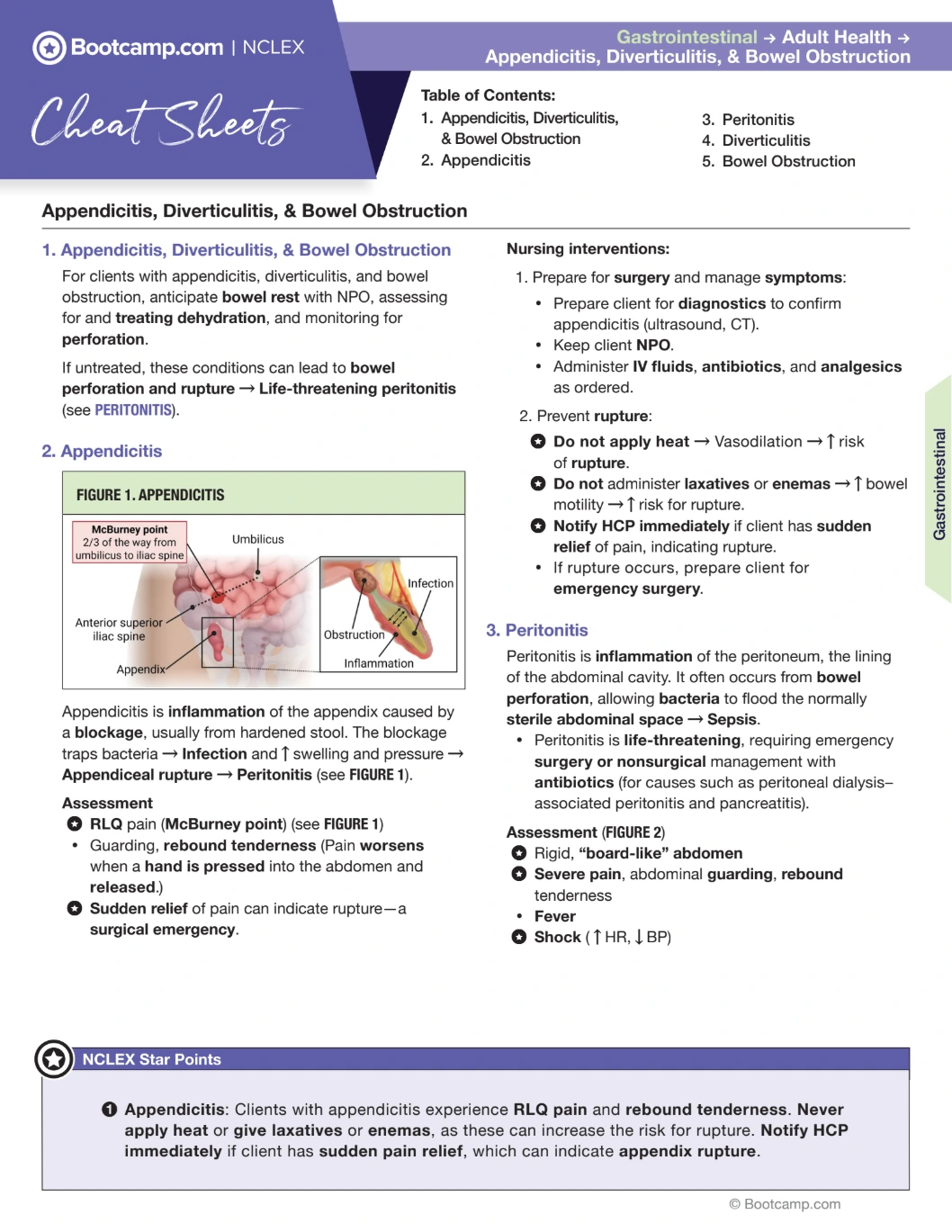
This cheat sheet covers appendicitis, peritonitis, diverticulitis, and bowel obstruction. It emphasizes bowel rest with NPO status, treating dehydration, avoiding heat and laxatives, and recognizing sudden pain relief as a sign of rupture.





