
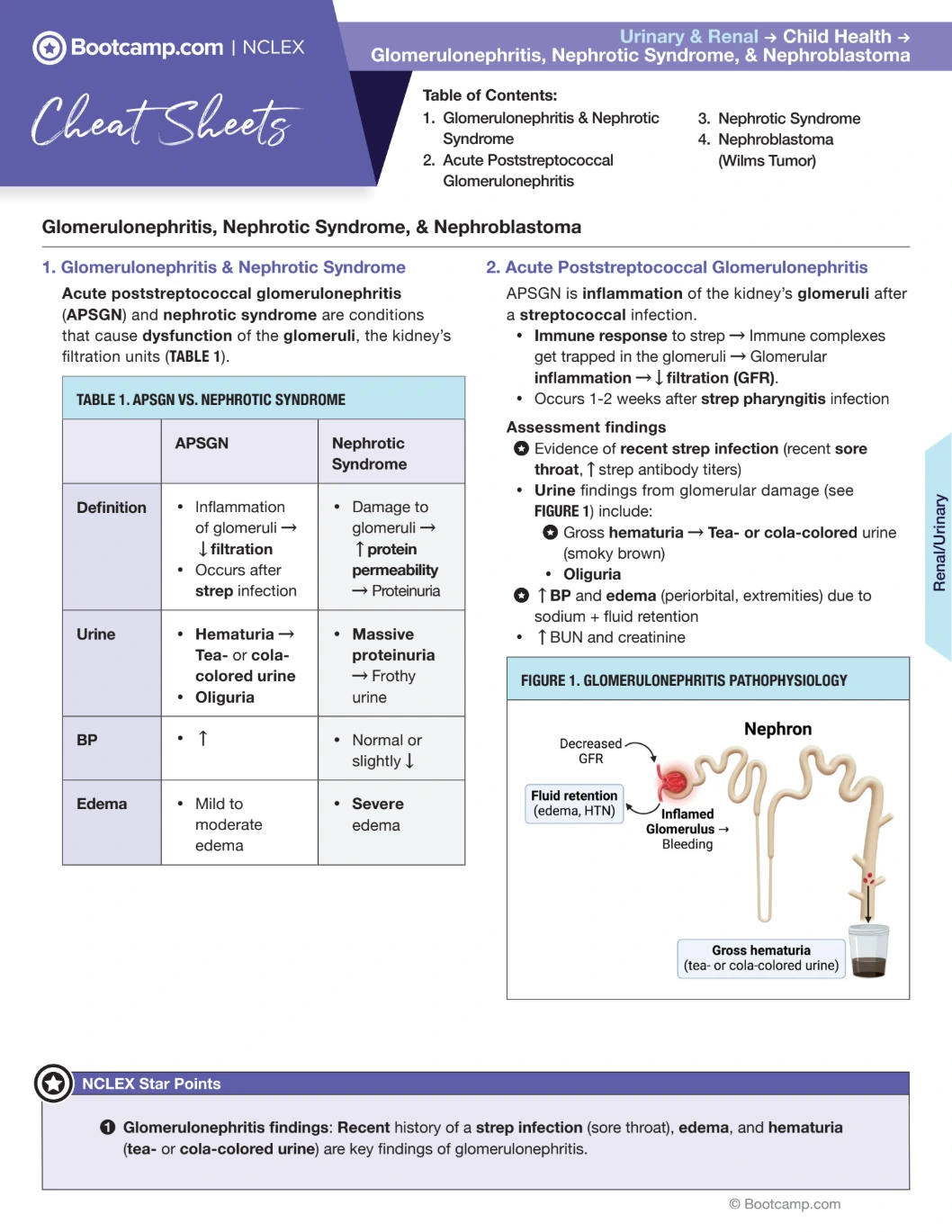
This cheat sheet covers acute poststreptococcal glomerulonephritis, nephrotic syndrome, and nephroblastoma (Wilms tumor). It compares how APSGN and nephrotic syndrome affect the glomeruli and how their findings differ.
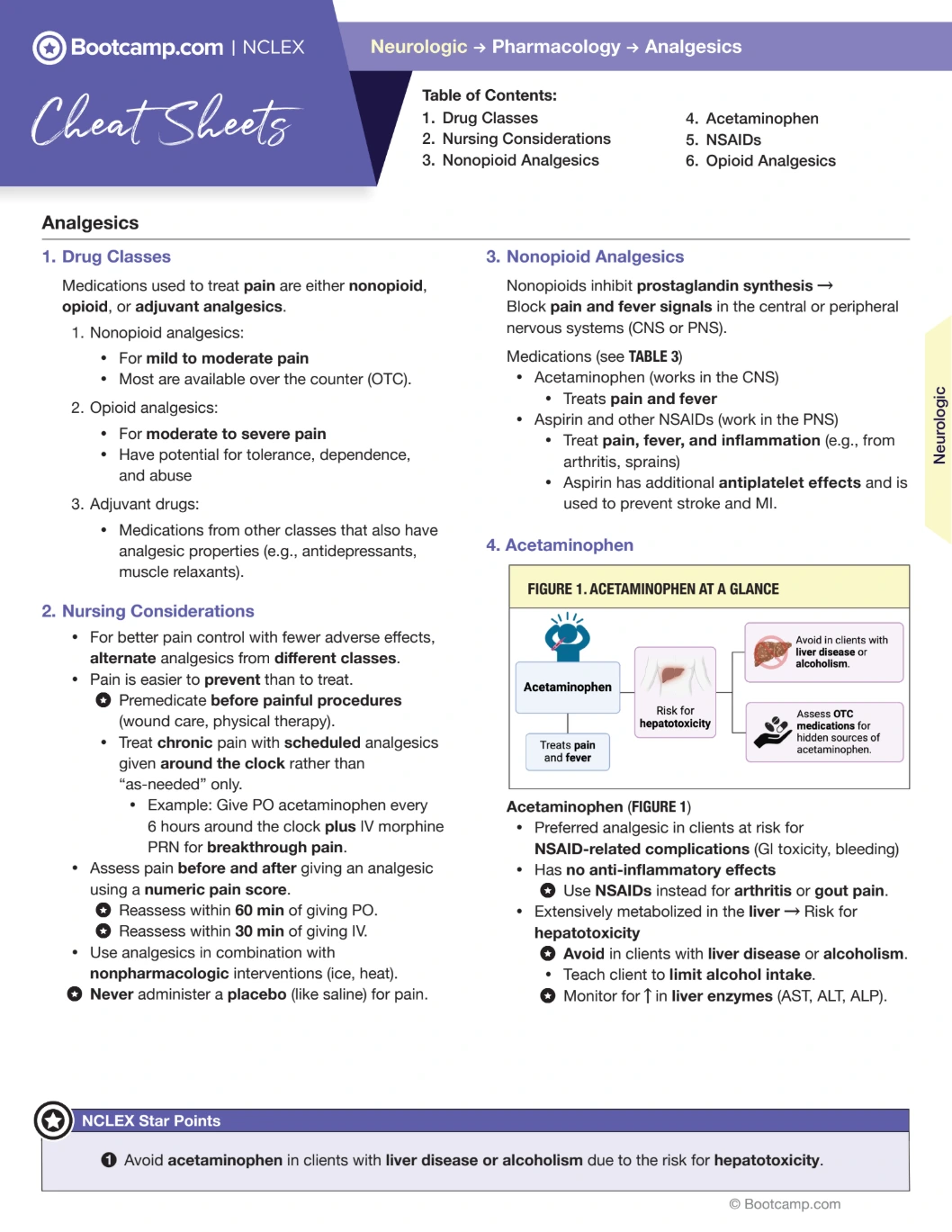
This cheat sheet covers analgesic drug classes, including nonopioid analgesics, acetaminophen, NSAIDs, and opioid analgesics, along with nursing considerations. It explains which drugs treat mild to moderate vs. moderate to severe pain and the risk of tolerance, dependence, and abuse with opioids.
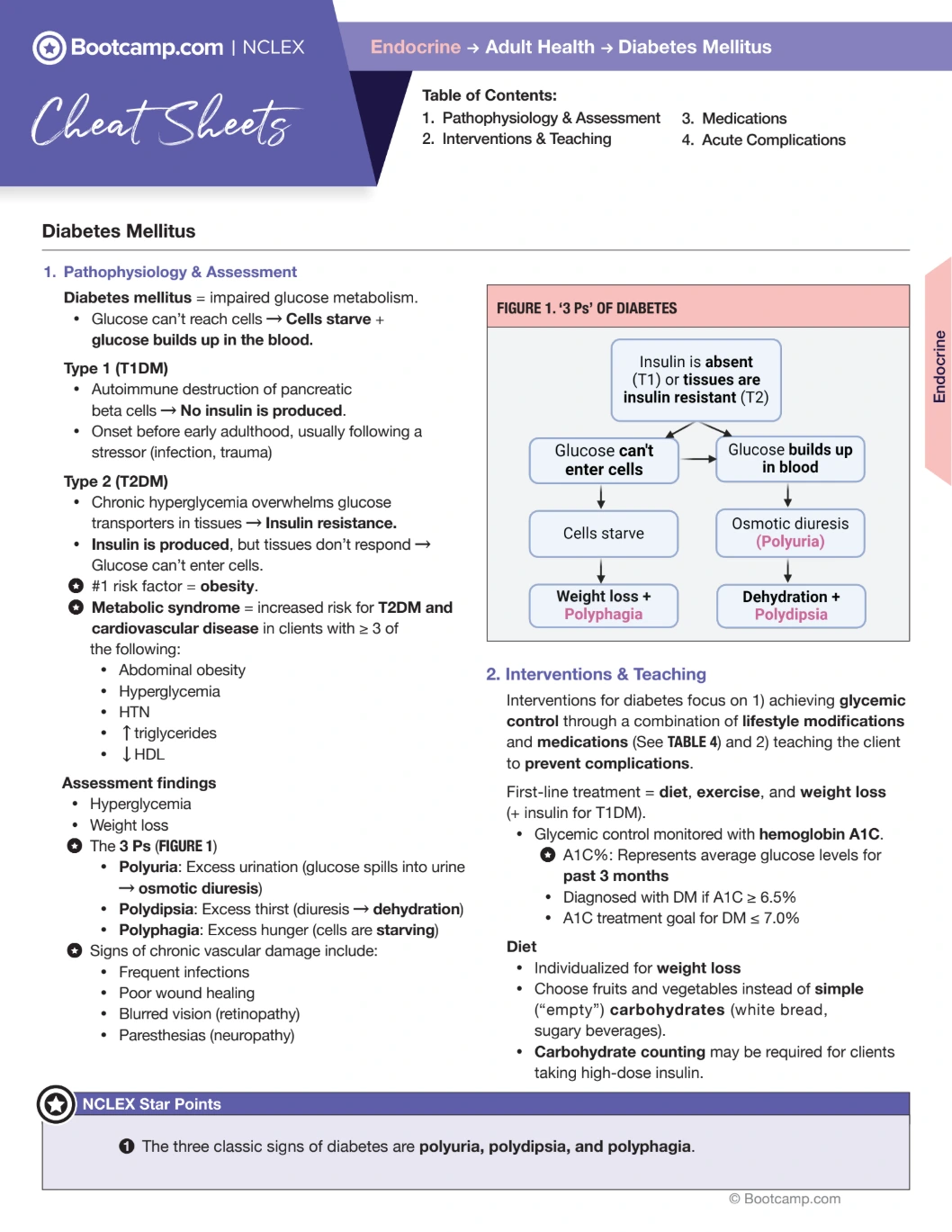
This cheat sheet covers diabetes mellitus, explaining type 1 vs. type 2 pathophysiology, assessment, medications, and acute complications. It emphasizes glycemic control through diet, exercise, and weight loss, monitoring hemoglobin A1C, and teaching clients to prevent complications.
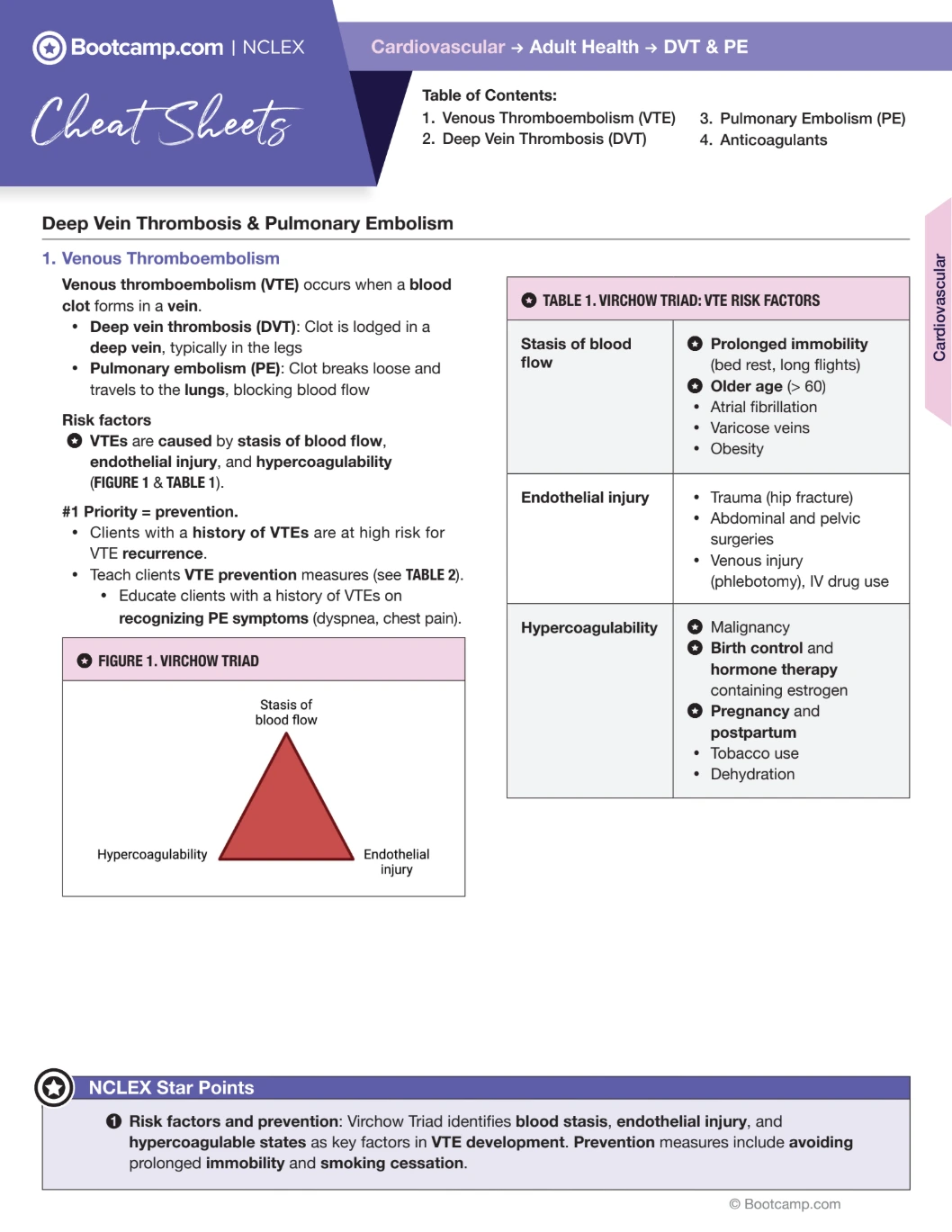
This cheat sheet covers venous thromboembolism, including deep vein thrombosis, pulmonary embolism, and anticoagulants. It emphasizes prevention as the #1 priority, explaining the Virchow triad and teaching clients to avoid prolonged immobility and quit smoking.
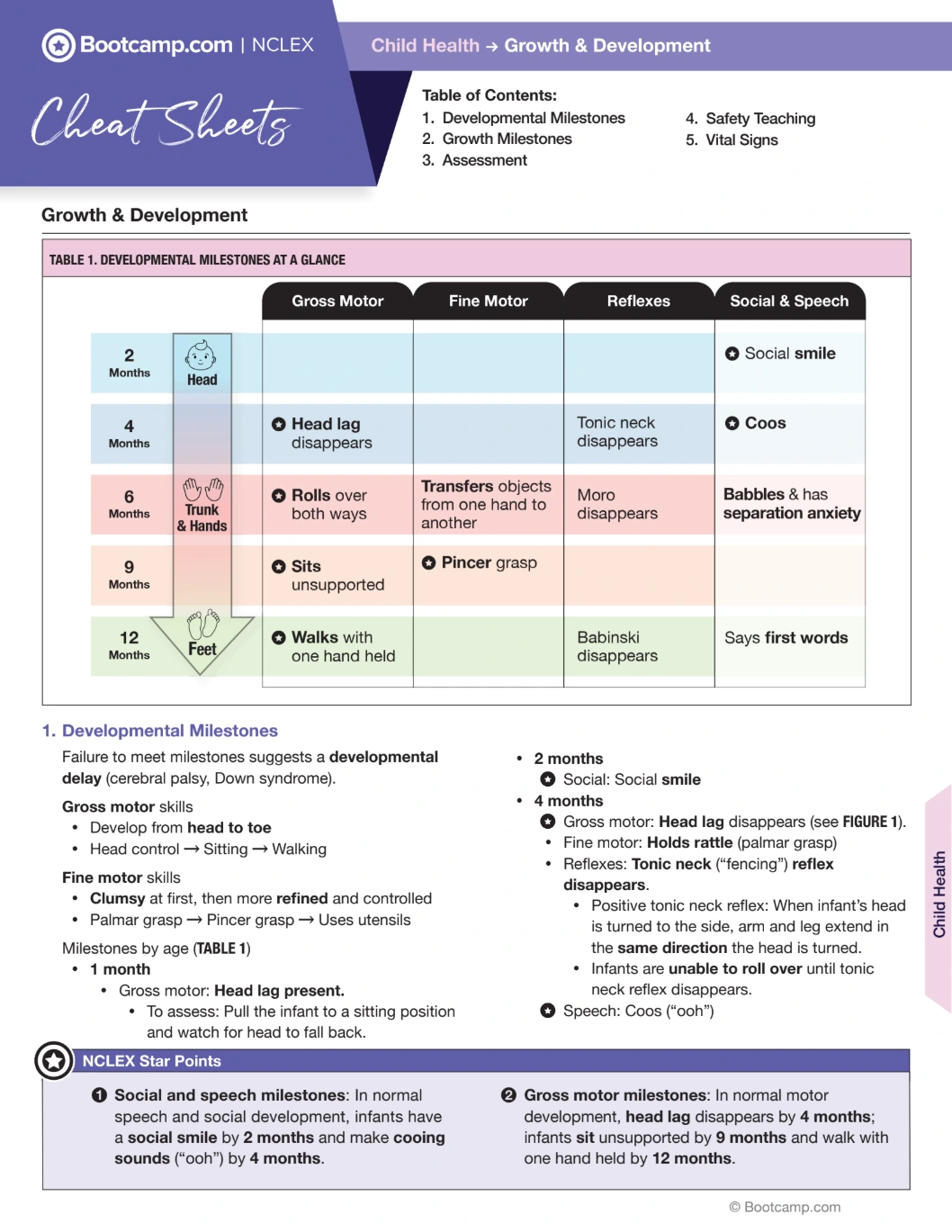
This cheat sheet covers growth and developmental milestones, pediatric assessment, safety teaching, and vital signs by age. It highlights key milestones like the social smile at 2 months and head lag disappearing by 4 months.

This NCLEX cheat sheet outlines infection control precautions for healthcare, covering standard and transmission-based measures. It details PPE, room assignments, and indications for contact, droplet, airborne, and protective environment precautions.

This NCLEX cheat sheet provides a comprehensive overview of preeclampsia. It includes a detailed pathophysiology diagram, assessment findings, risk factors, and potential complications.

This NCLEX cheat sheet outlines nursing care prioritization for NCLEX, featuring a pyramid model from highest to lowest priority tasks, key principles, examples, and exceptions for triage situations.

This NCLEX cheat sheet explains therapeutic communication in nursing, covering relationship building, communication techniques, and examples. It includes a table of communication themes and NCLEX key points.
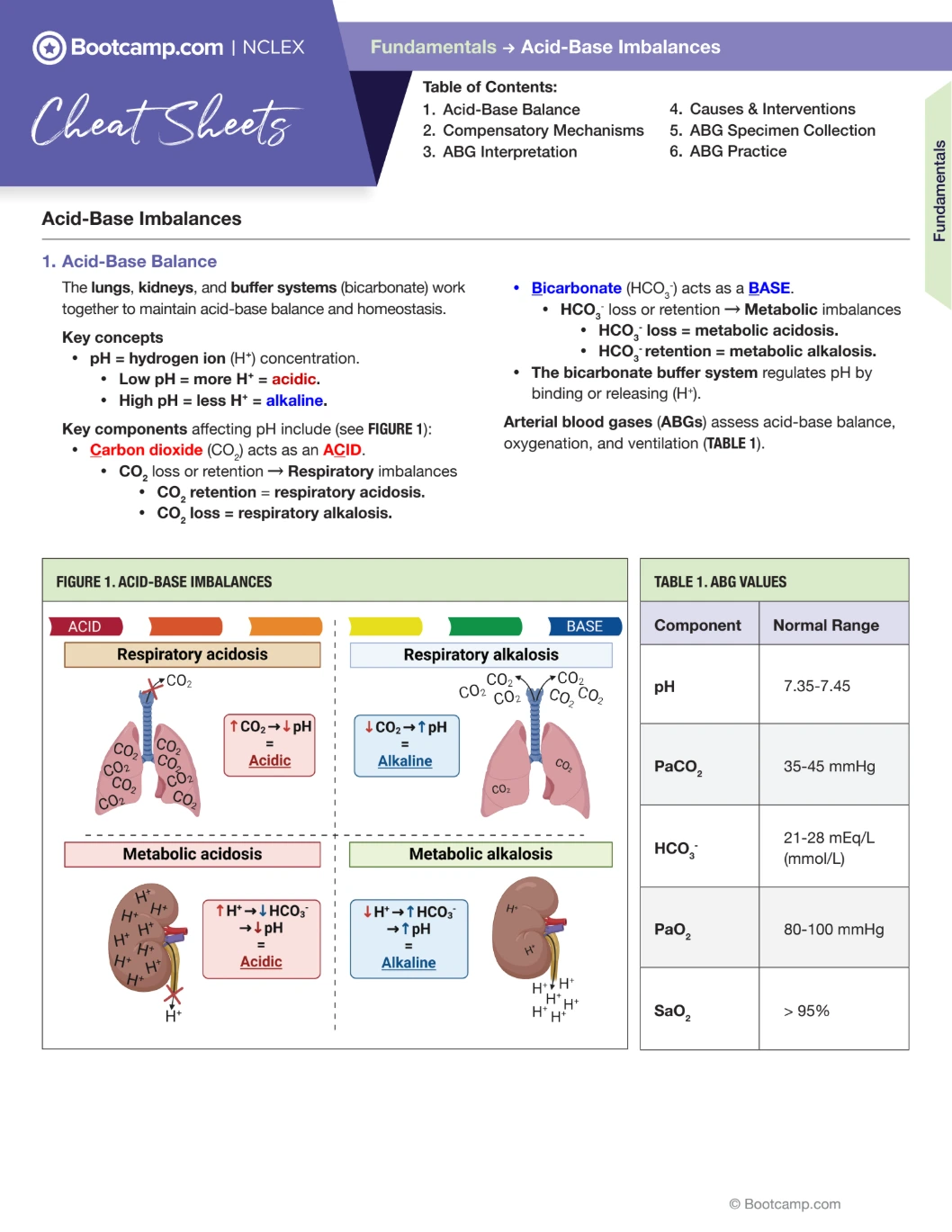
This cheat sheet covers acid-base balance, compensatory mechanisms, ABG interpretation, causes and interventions, and ABG specimen collection, with practice problems. It explains how the lungs, kidneys, and bicarbonate buffers maintain pH and how CO2 acts as an acid.
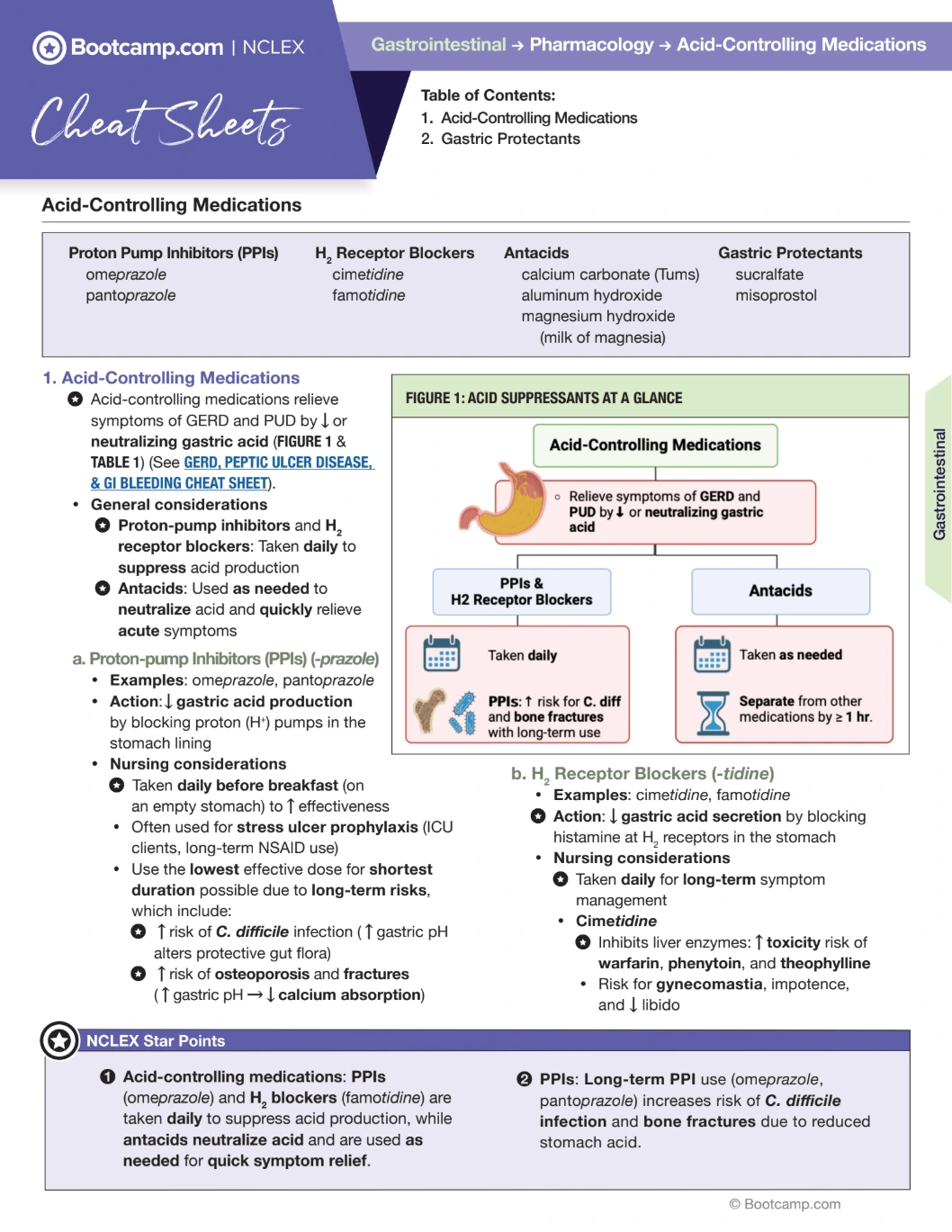
This cheat sheet covers acid-controlling medications like proton-pump inhibitors, H2 receptor blockers, and antacids, plus gastric protectants. It explains how these drugs relieve GERD and PUD symptoms by suppressing or neutralizing gastric acid.
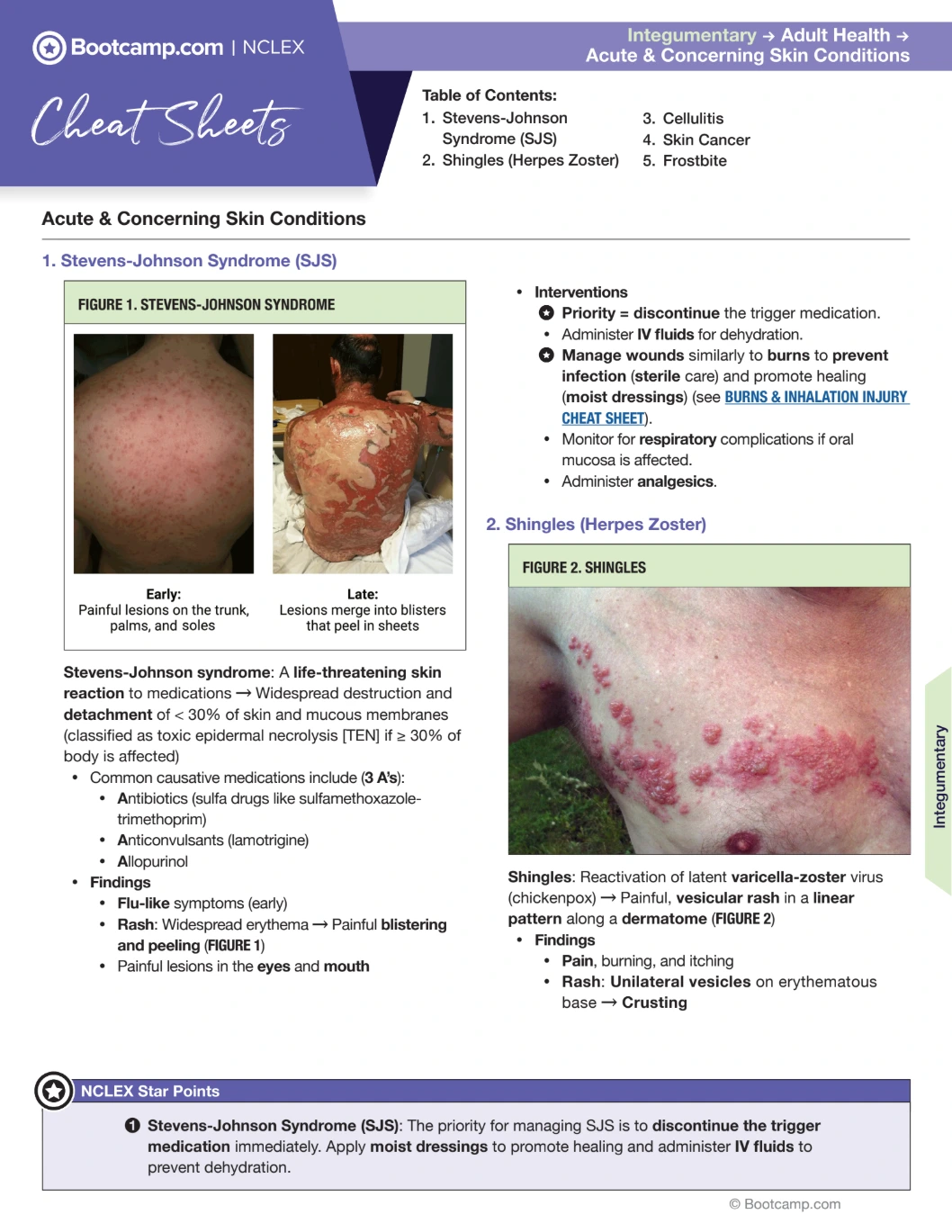
This cheat sheet covers acute and concerning skin conditions, including Stevens-Johnson syndrome, shingles, cellulitis, skin cancer, and frostbite. It emphasizes discontinuing the trigger medication in SJS, burn-style wound care, and teaching sun protection and monthly ABCDE skin checks.

This cheat sheet covers acute kidney injury and chronic kidney disease, explaining prerenal, intrarenal, and postrenal causes, the phases of AKI, and renal replacement therapies like dialysis. It emphasizes monitoring BUN, creatinine, urine output, and daily weights, and watching for potassium imbalances on the cardiac monitor.
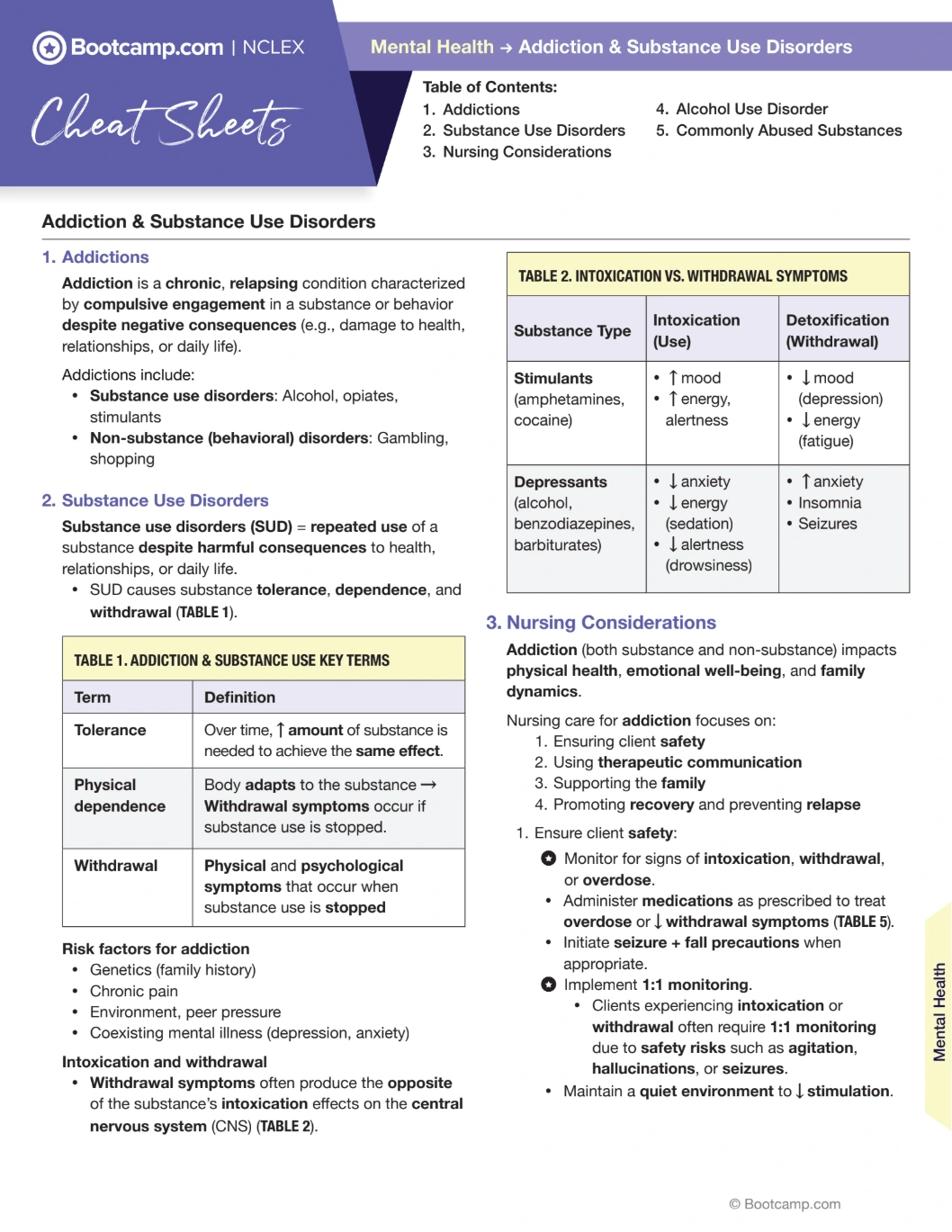
This cheat sheet covers addictions and substance use disorders, nursing considerations, alcohol use disorder, and commonly abused substances. It explains addiction as a chronic, relapsing condition marked by compulsive use despite negative consequences.
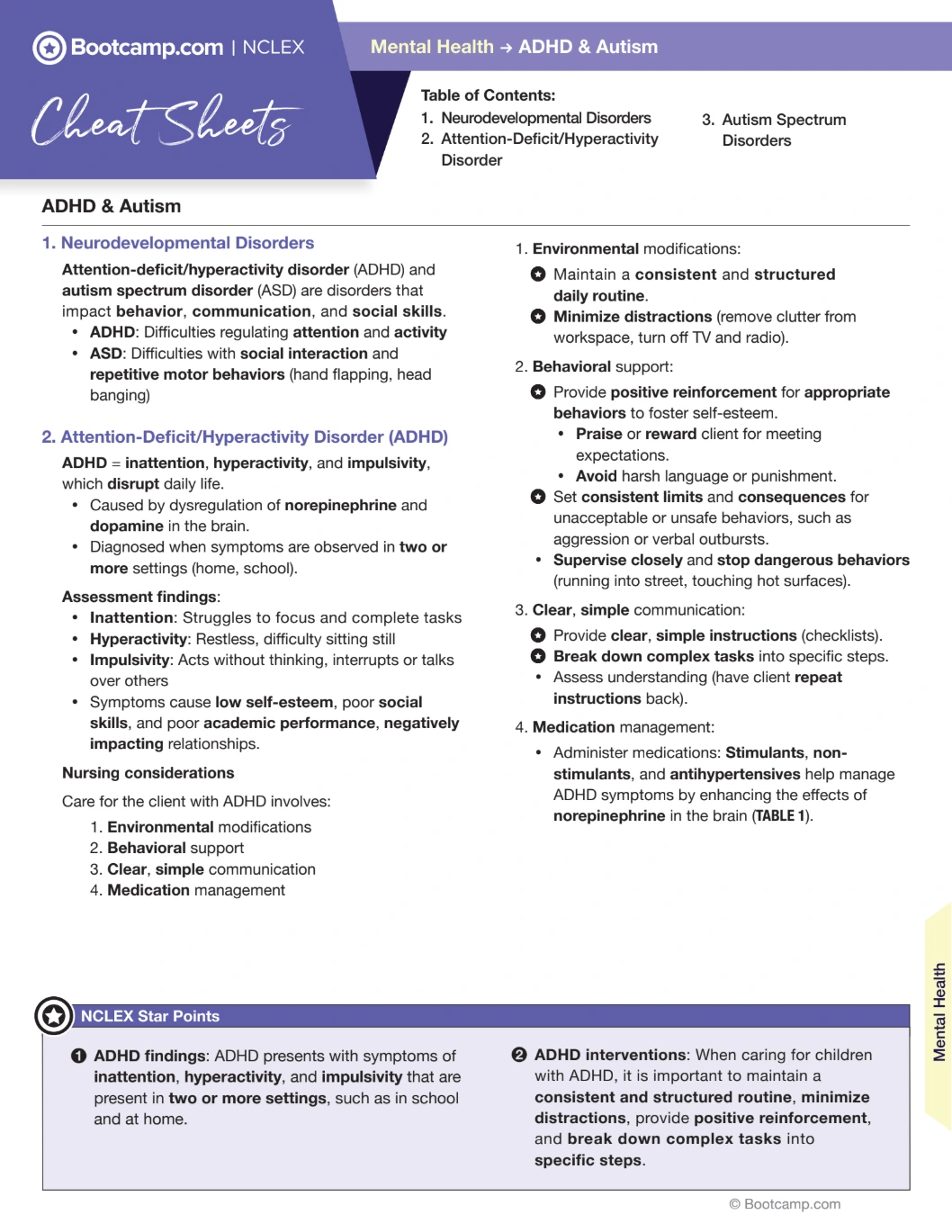
This cheat sheet covers neurodevelopmental disorders, including attention-deficit/hyperactivity disorder and autism spectrum disorder. It explains how each affects behavior, communication, and social skills.
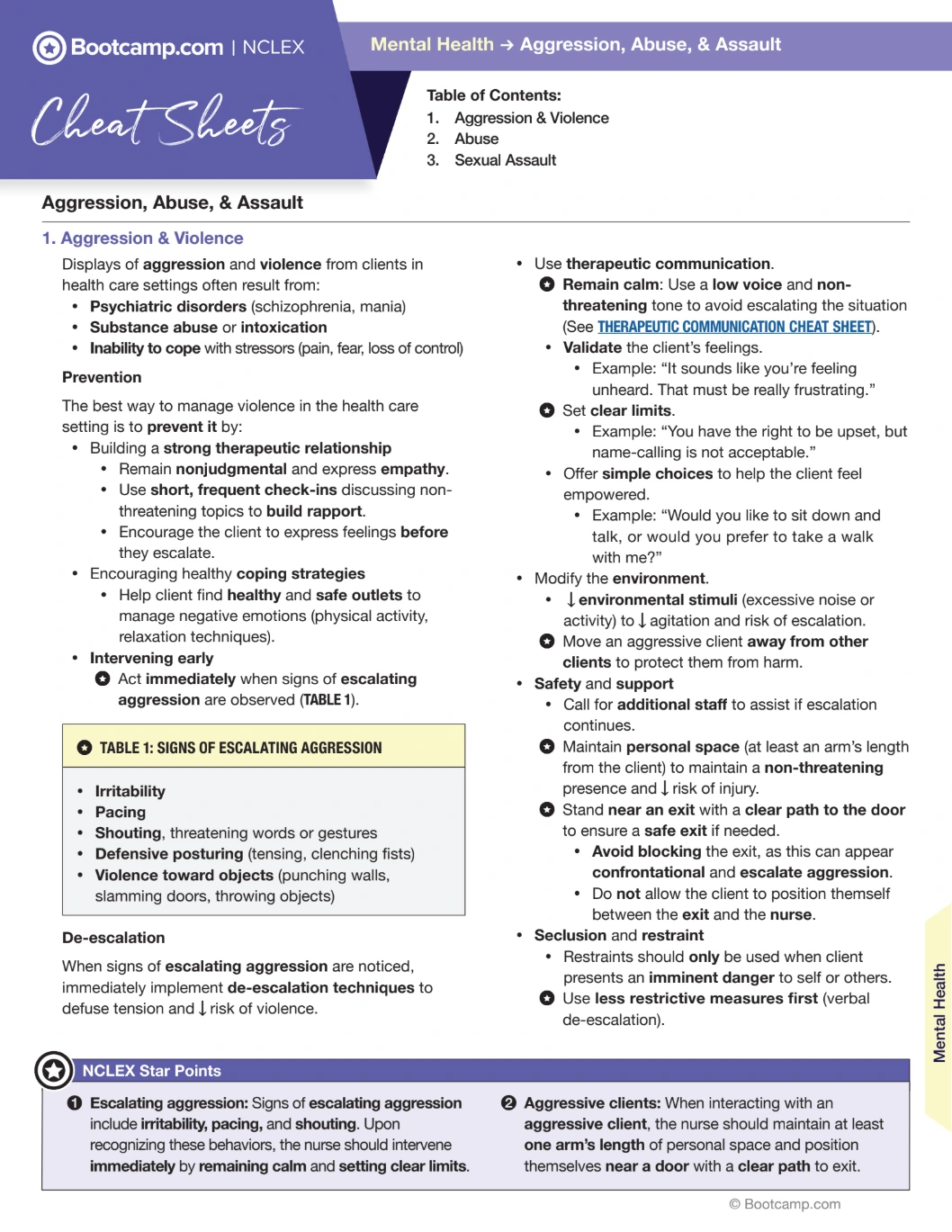
This cheat sheet covers aggression and violence, abuse, and sexual assault. It explains common causes of aggression in health care settings, like psychiatric disorders, intoxication, and difficulty coping with stressors, and how to prevent escalation.
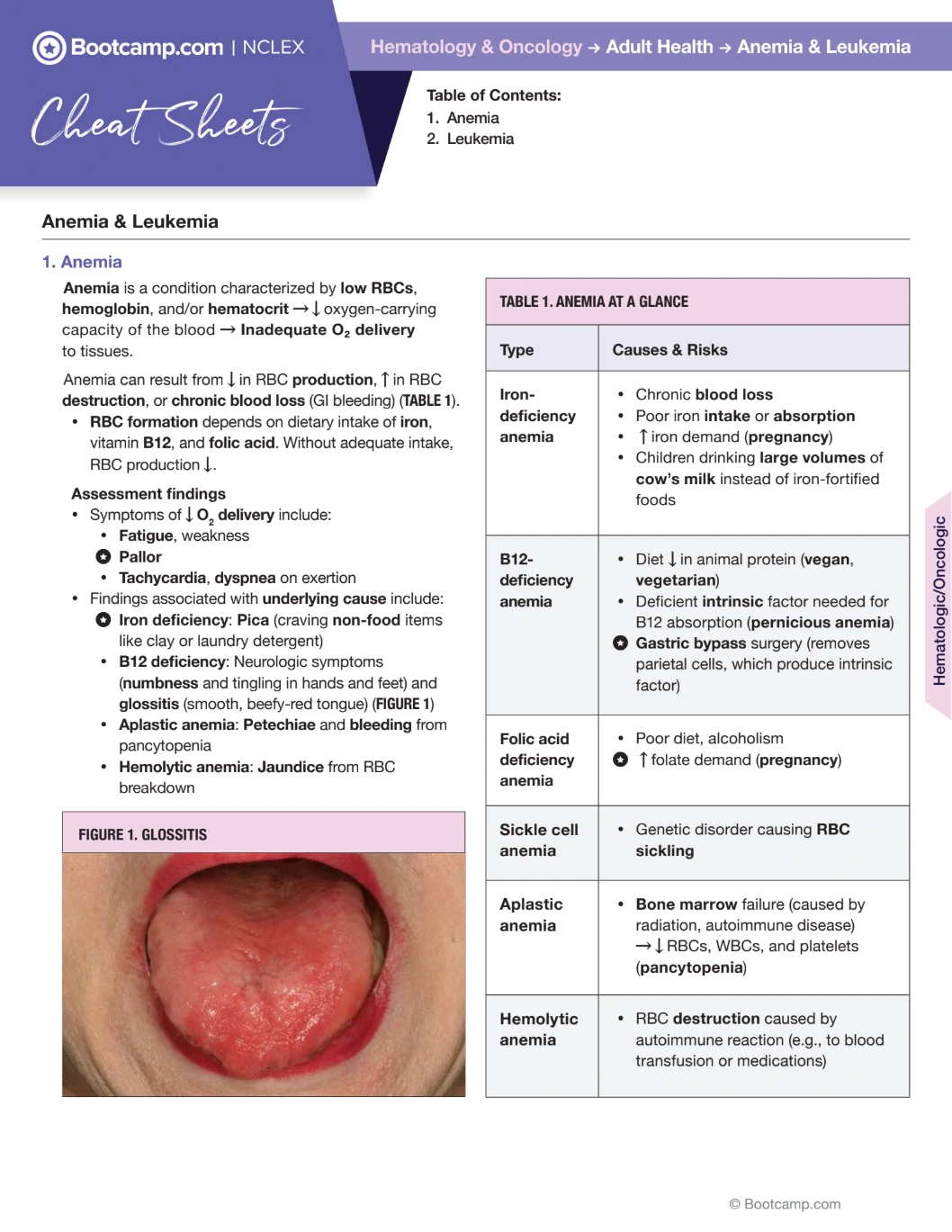
This cheat sheet covers anemia and leukemia, explaining types of anemia like iron-deficiency, B12-deficiency, aplastic, and hemolytic anemia. It emphasizes recognizing signs of decreased oxygen delivery and cause-specific findings like pica and glossitis.

This cheat sheet covers obstetric history, signs of pregnancy, adaptations to pregnancy, and common discomforts of pregnancy with client teaching. It explains how gestation is calculated from the last menstrual period and divided into trimesters.
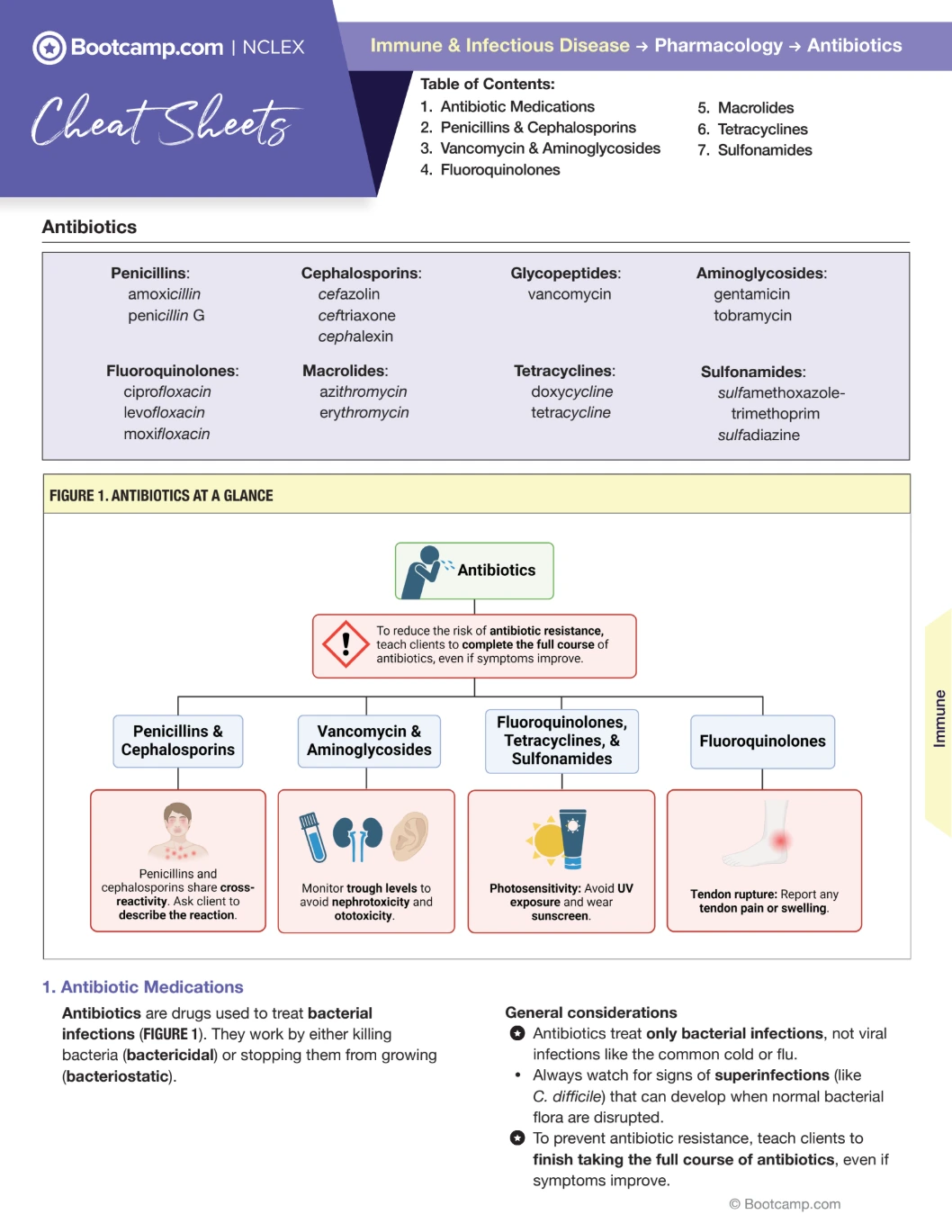
This cheat sheet covers antibiotics, explaining different classes like penicillins, cephalosporins, and fluoroquinolones. It emphasizes completing the full antibiotic course and monitoring for adverse effects like photosensitivity and tendon rupture.
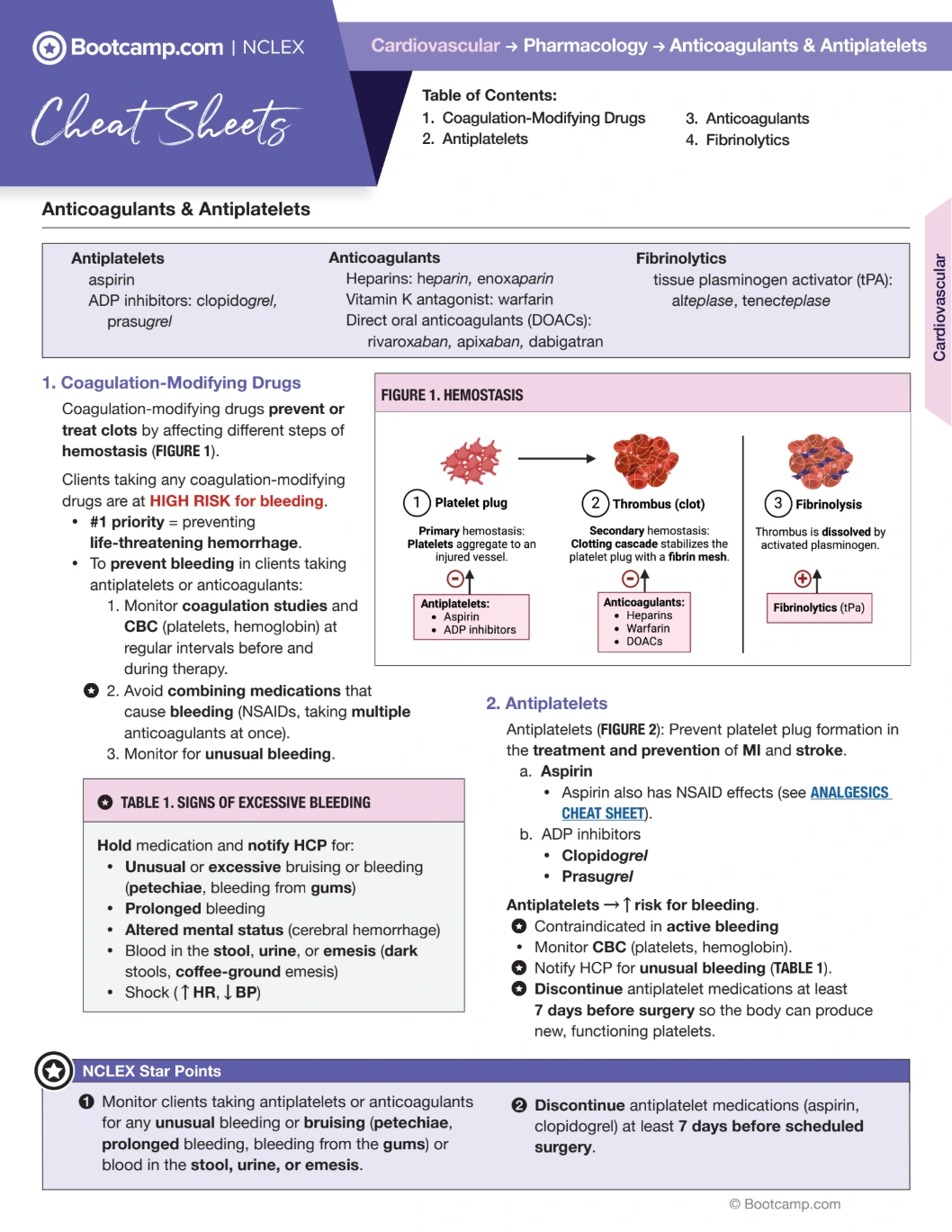
This cheat sheet covers coagulation-modifying drugs, including antiplatelets, anticoagulants, and fibrinolytics. It emphasizes the bleeding risk with these medications and monitoring the CBC, including platelets and hemoglobin.
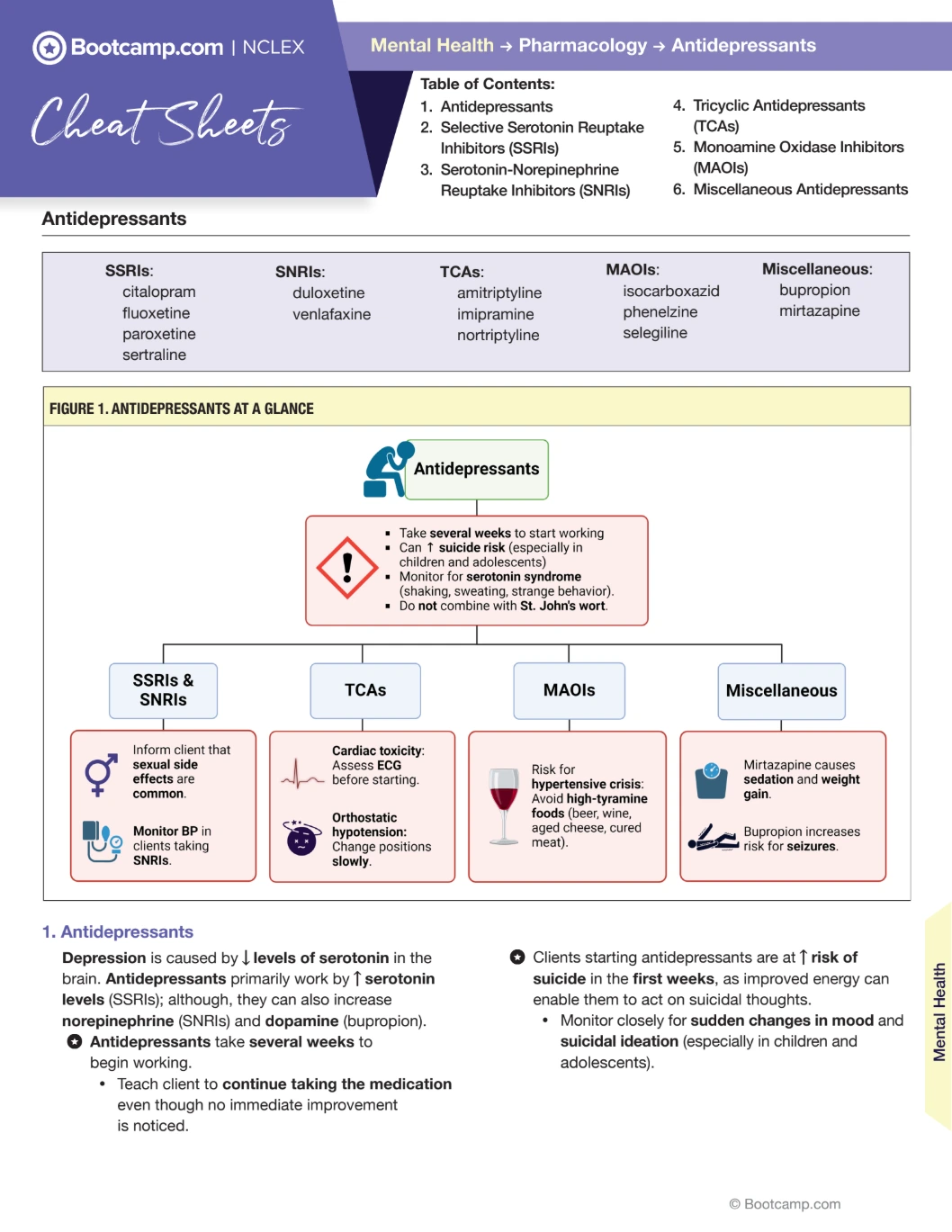
This cheat sheet covers antidepressants, explaining different classes like SSRIs, SNRIs, TCAs, and MAOIs. It reviews common examples of each, like sertraline, venlafaxine, and amitriptyline, along with their nursing considerations.
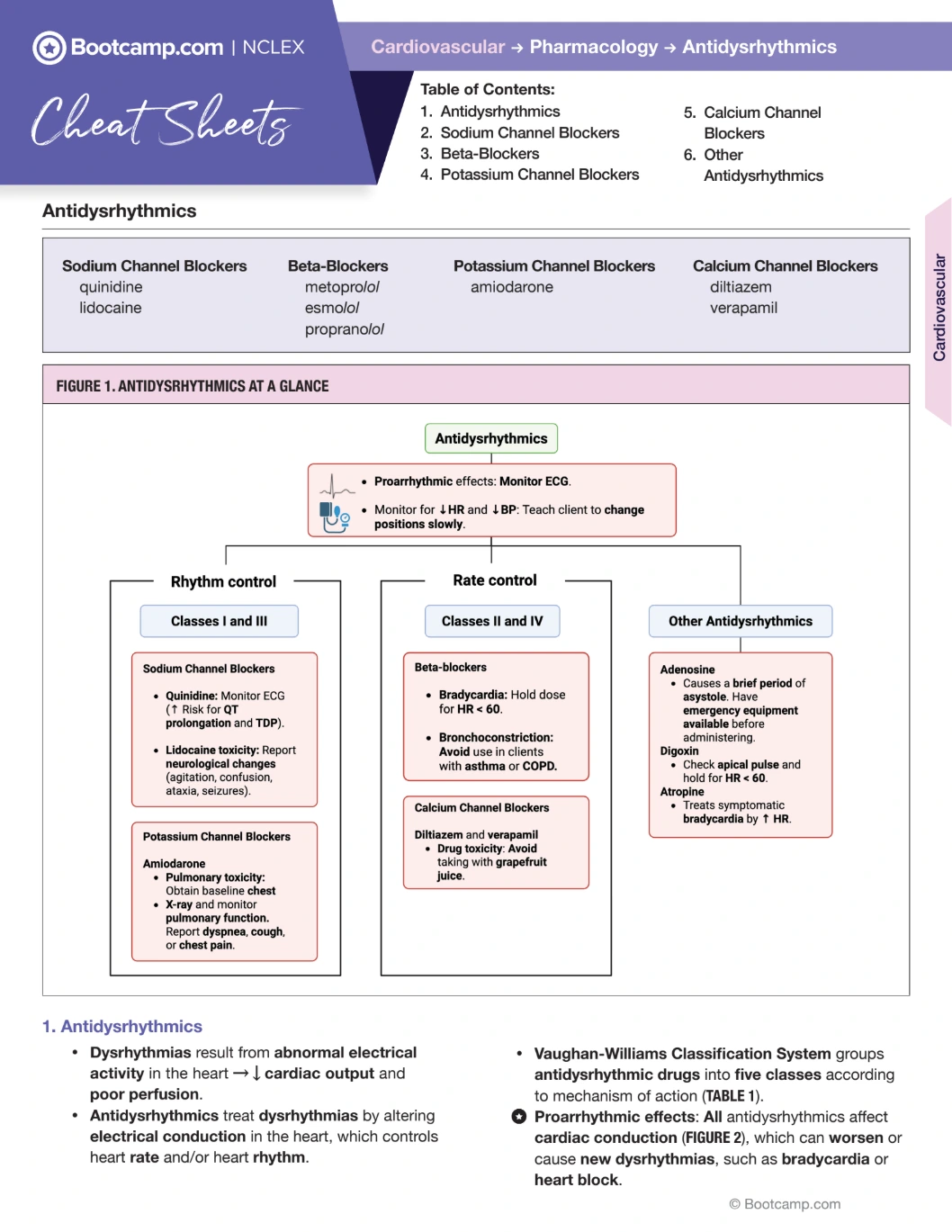
This cheat sheet covers antidysrhythmics, explaining classes like sodium channel blockers, beta-blockers, potassium channel blockers, and calcium channel blockers using the Vaughan-Williams classification. It emphasizes that all antidysrhythmics can worsen or cause new dysrhythmias, like bradycardia and heart block.
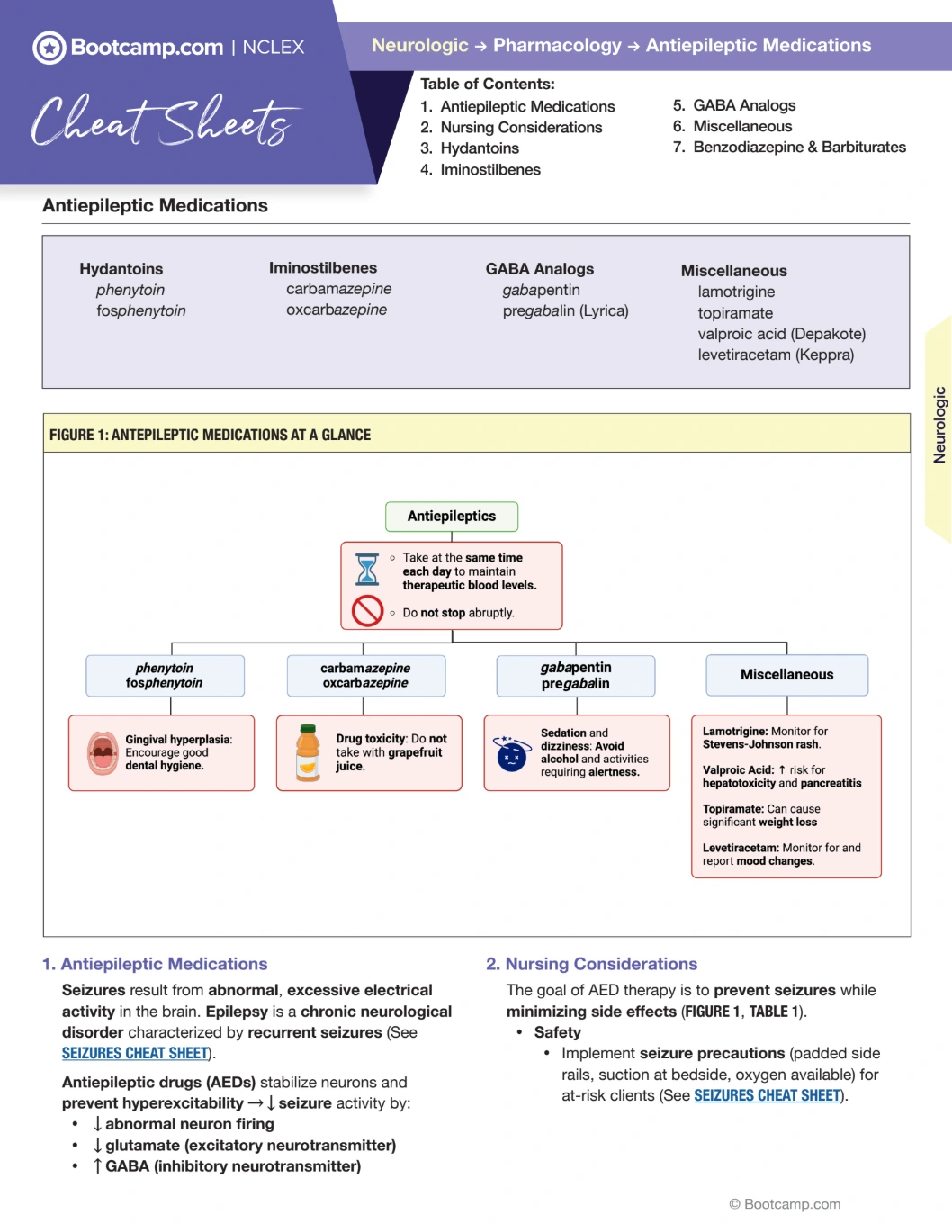
This cheat sheet covers antiepileptic medications, explaining classes like hydantoins, iminostilbenes, GABA analogs, benzodiazepines, and barbiturates. It reviews common examples like phenytoin and carbamazepine along with key nursing considerations.
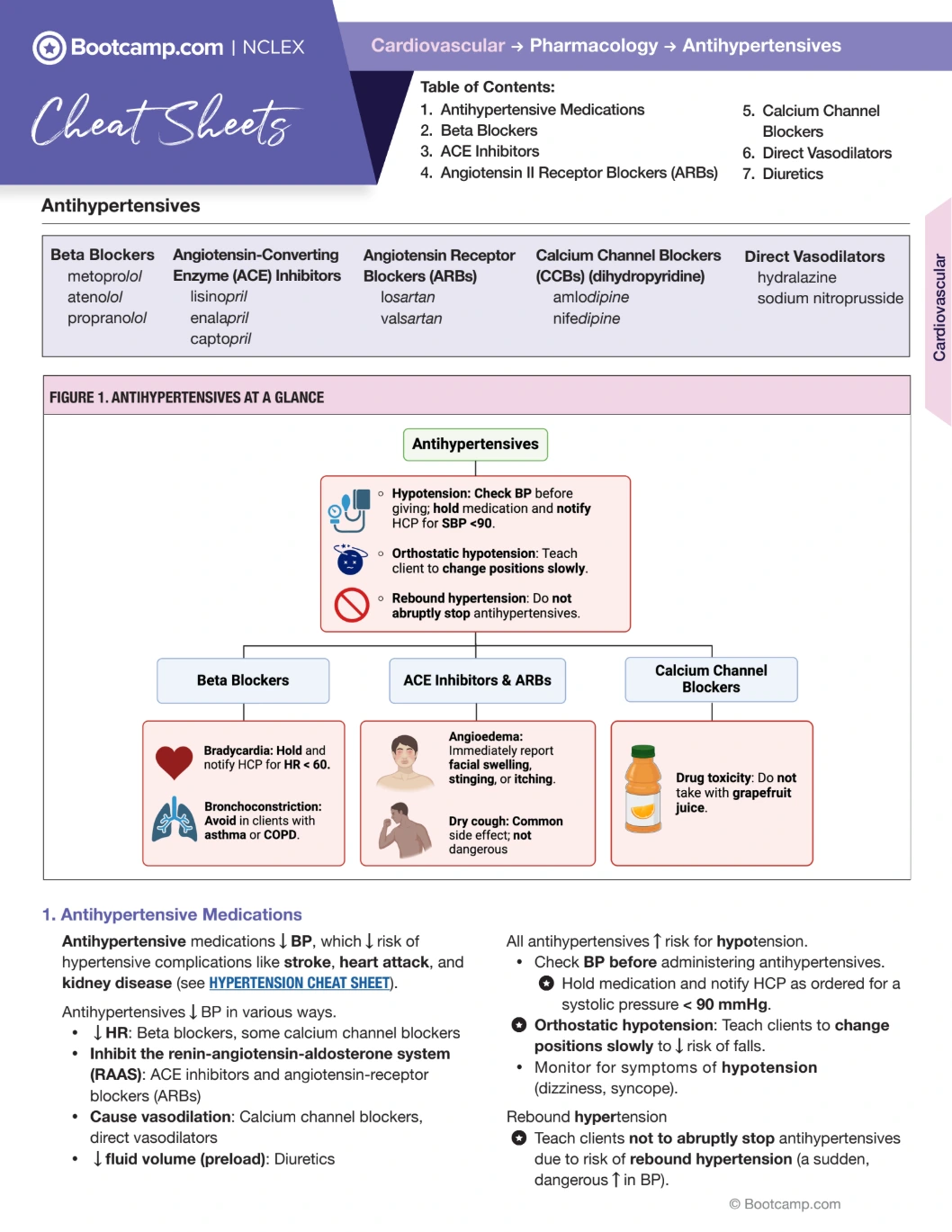
This cheat sheet covers antihypertensives, explaining classes like beta blockers, ACE inhibitors, ARBs, calcium channel blockers, direct vasodilators, and diuretics. It explains how lowering BP reduces the risk of hypertensive complications.
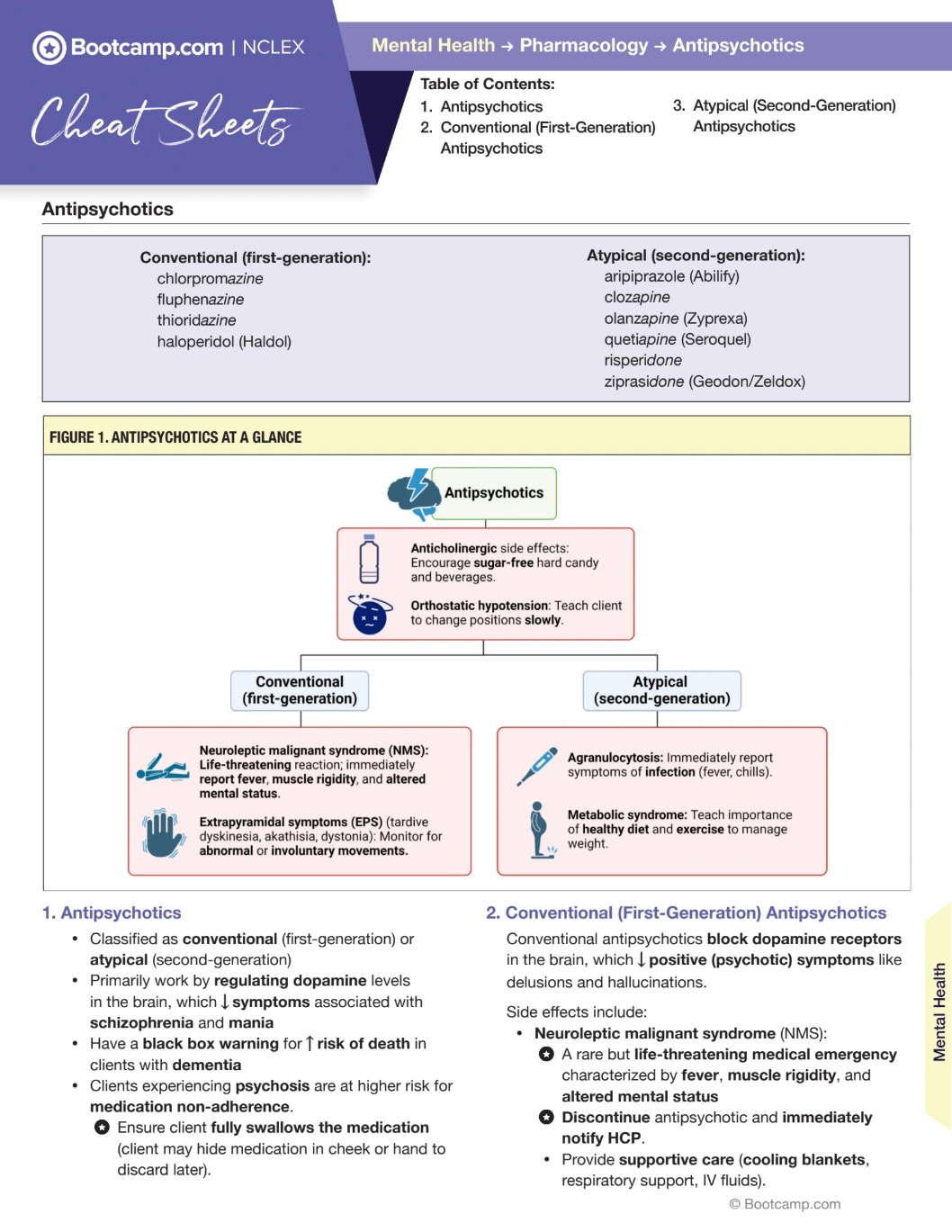
This cheat sheet covers conventional (first-generation) and atypical (second-generation) antipsychotics. It reviews common examples like haloperidol, risperidone, olanzapine, and clozapine and how the two generations compare.
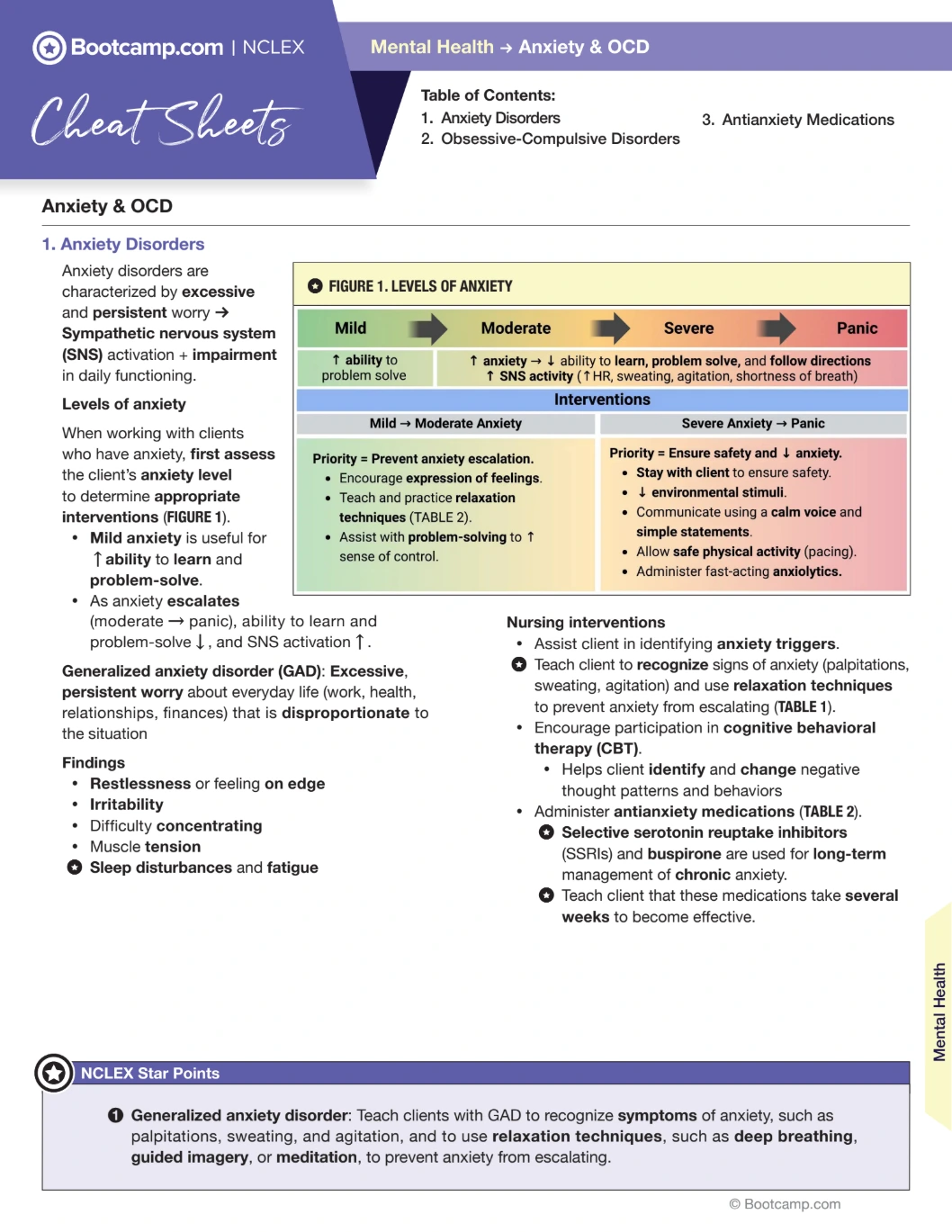
This cheat sheet covers anxiety disorders, obsessive-compulsive disorders, and antianxiety medications. It emphasizes first assessing the client's level of anxiety to choose the right interventions.
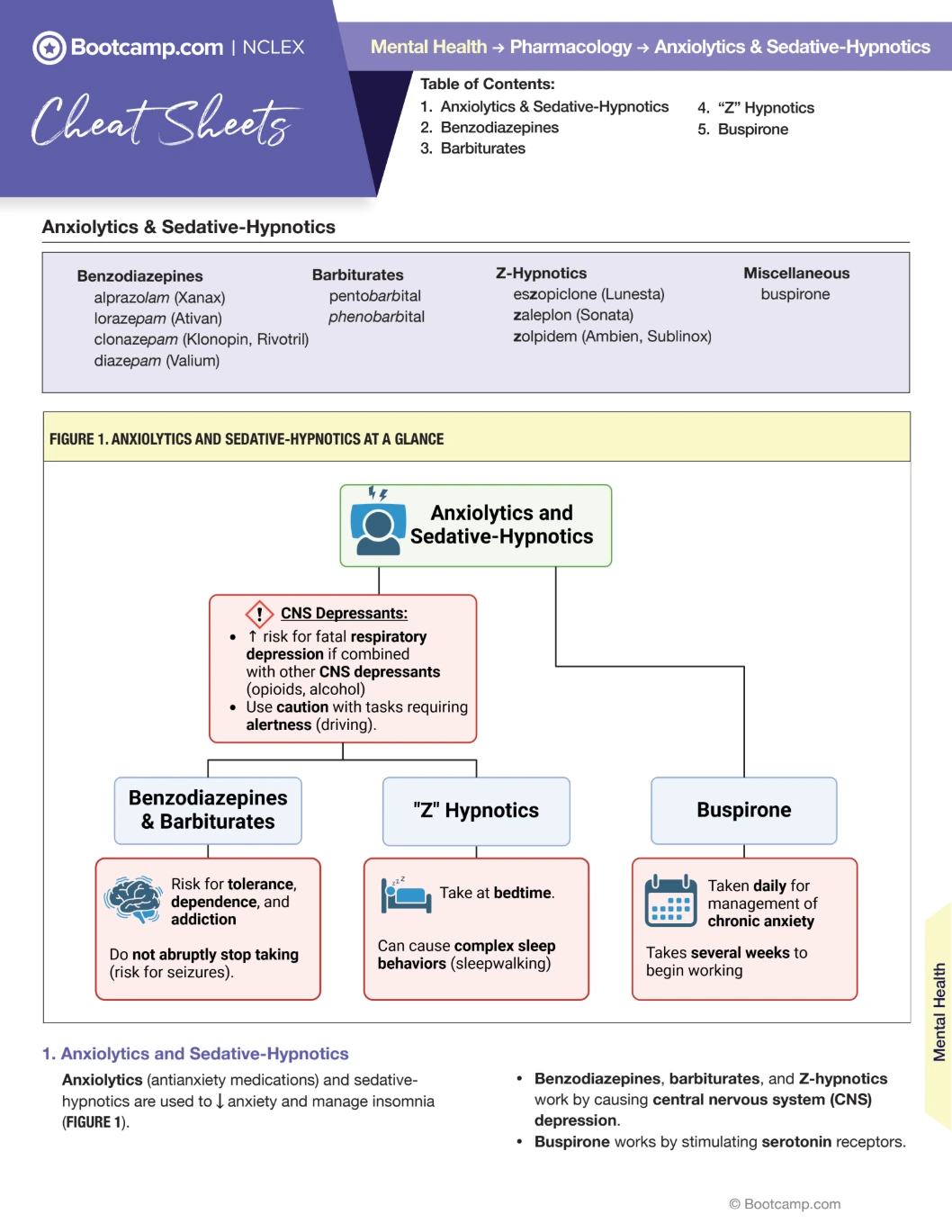
This cheat sheet covers anxiolytics and sedative-hypnotics, explaining classes like benzodiazepines, barbiturates, Z-hypnotics, and buspirone. It reviews common examples like lorazepam, alprazolam, and zolpidem along with their nursing considerations.
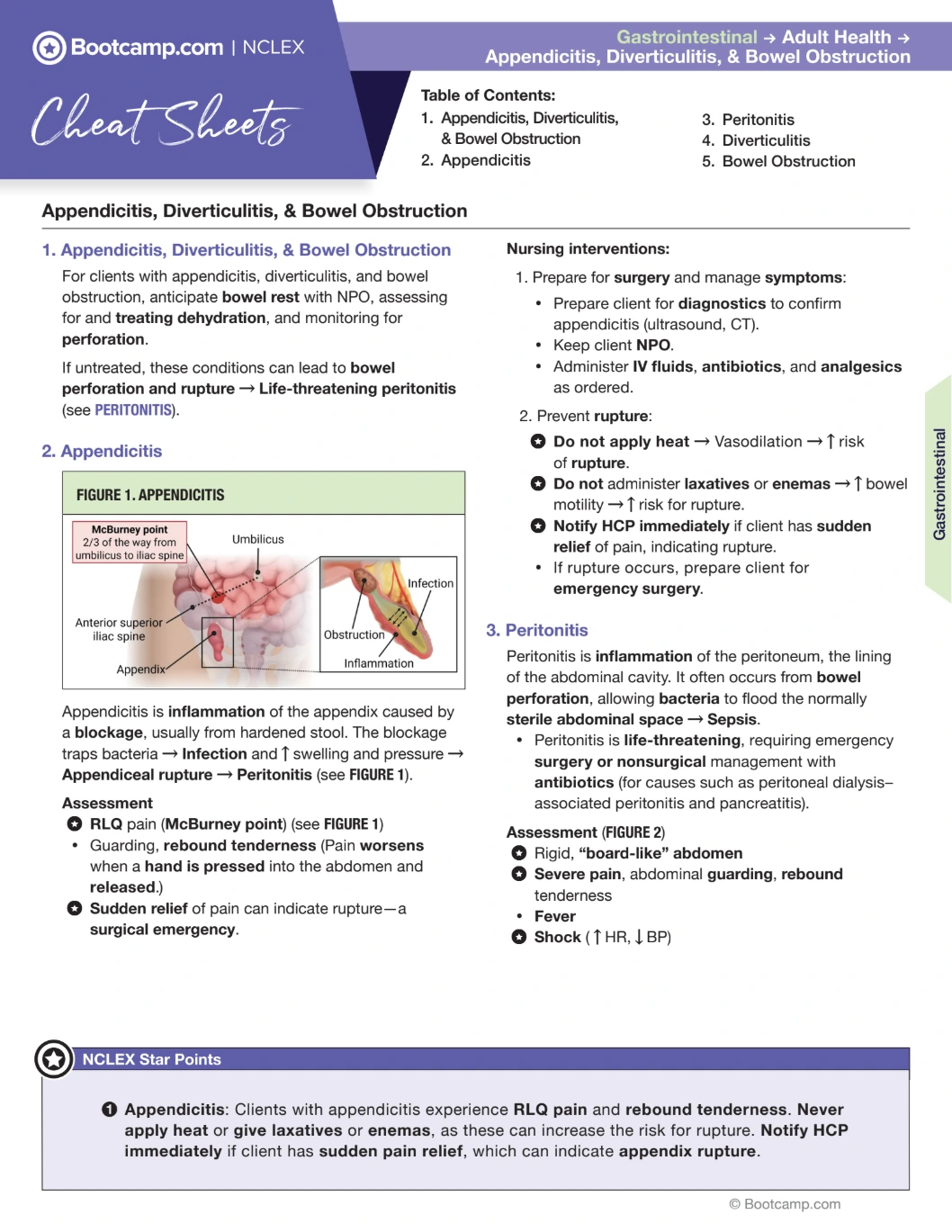
This cheat sheet covers appendicitis, peritonitis, diverticulitis, and bowel obstruction. It emphasizes bowel rest with NPO status, treating dehydration, avoiding heat and laxatives, and recognizing sudden pain relief as a sign of rupture.
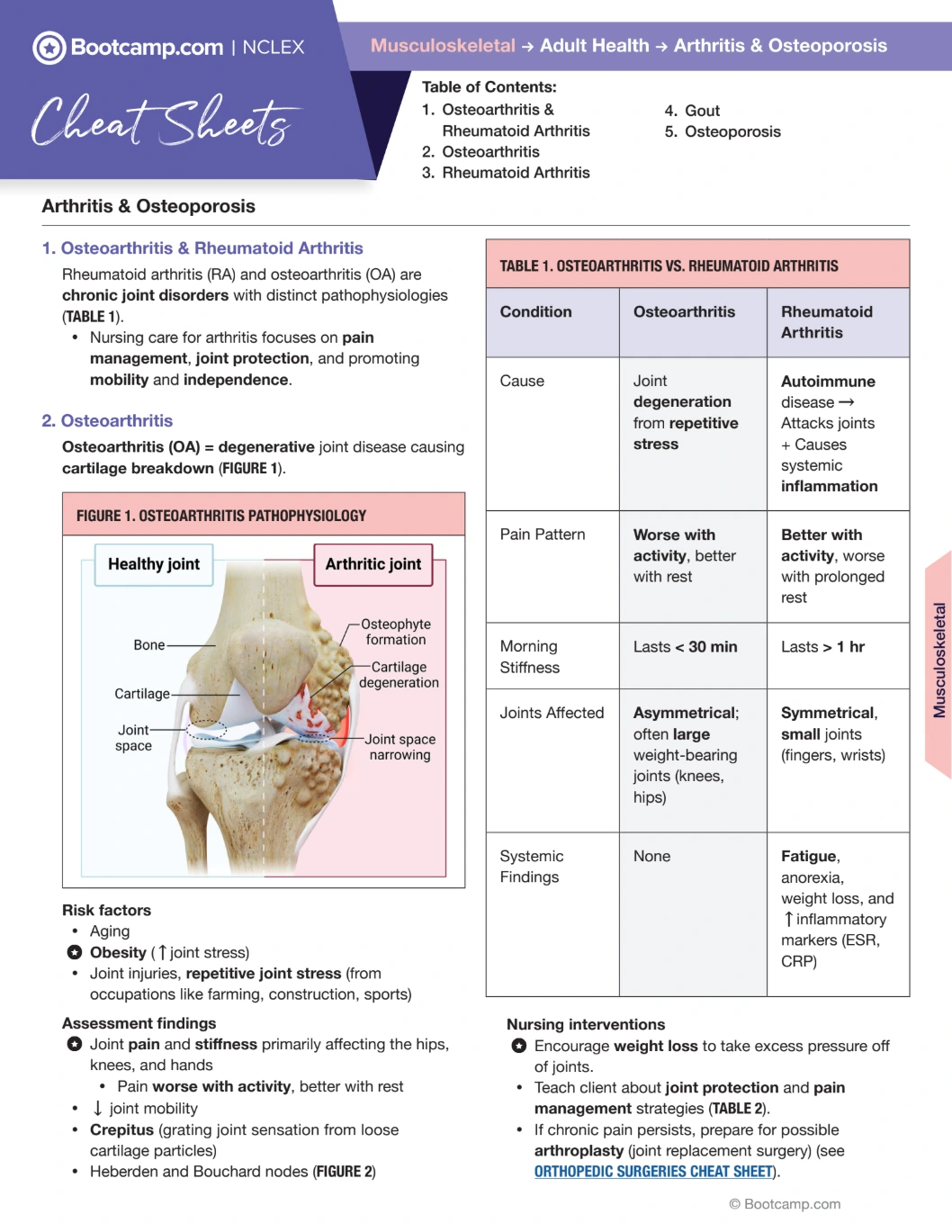
This cheat sheet covers osteoarthritis, rheumatoid arthritis, gout, and osteoporosis, comparing their pathophysiology and assessment findings. It emphasizes pain management, joint protection, and promoting mobility and independence through client teaching.
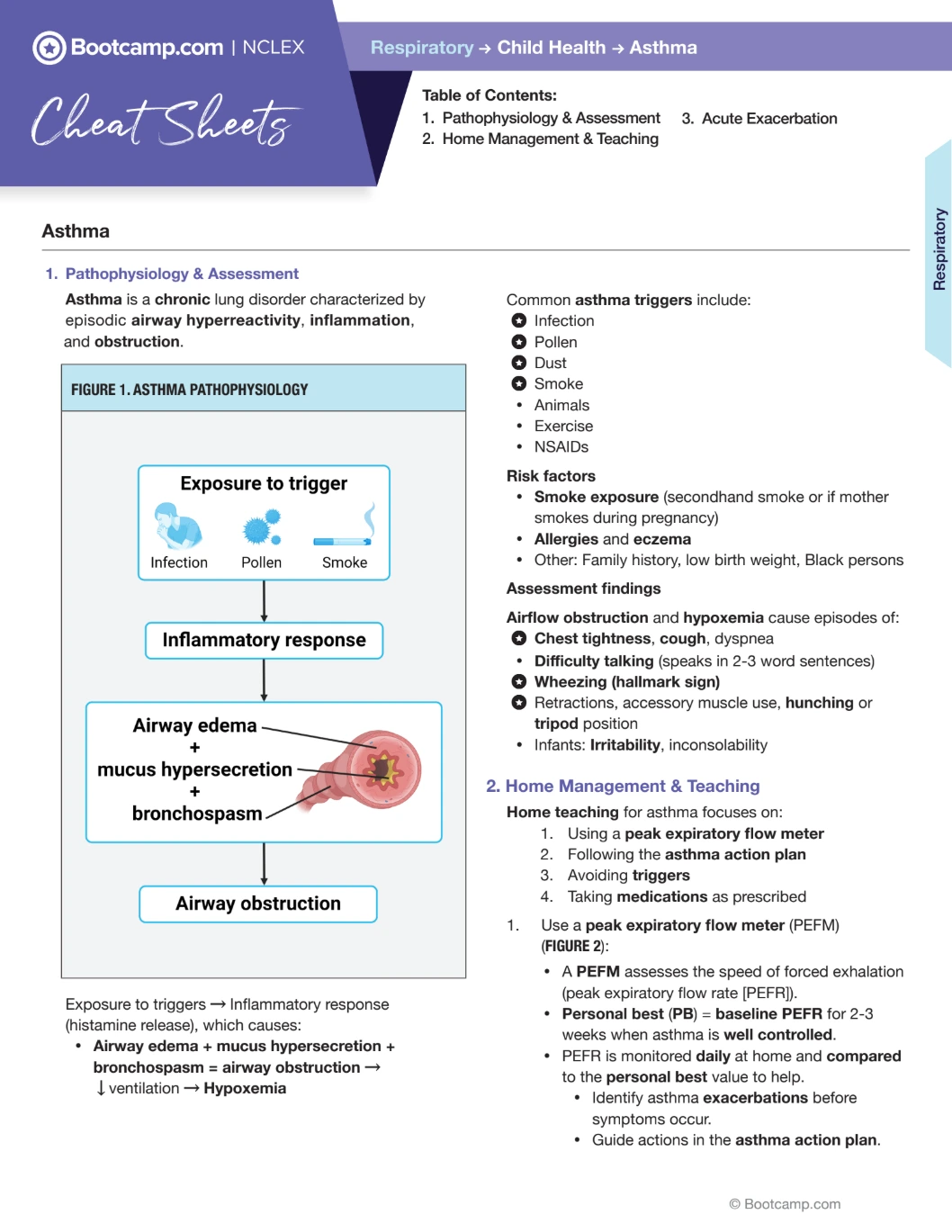
This cheat sheet covers asthma in children, including pathophysiology, assessment, home management and teaching, and acute exacerbations. It explains how triggers like infection, pollen, smoke, and exercise cause airway edema, mucus, and bronchospasm, and emphasizes teaching clients to avoid them.
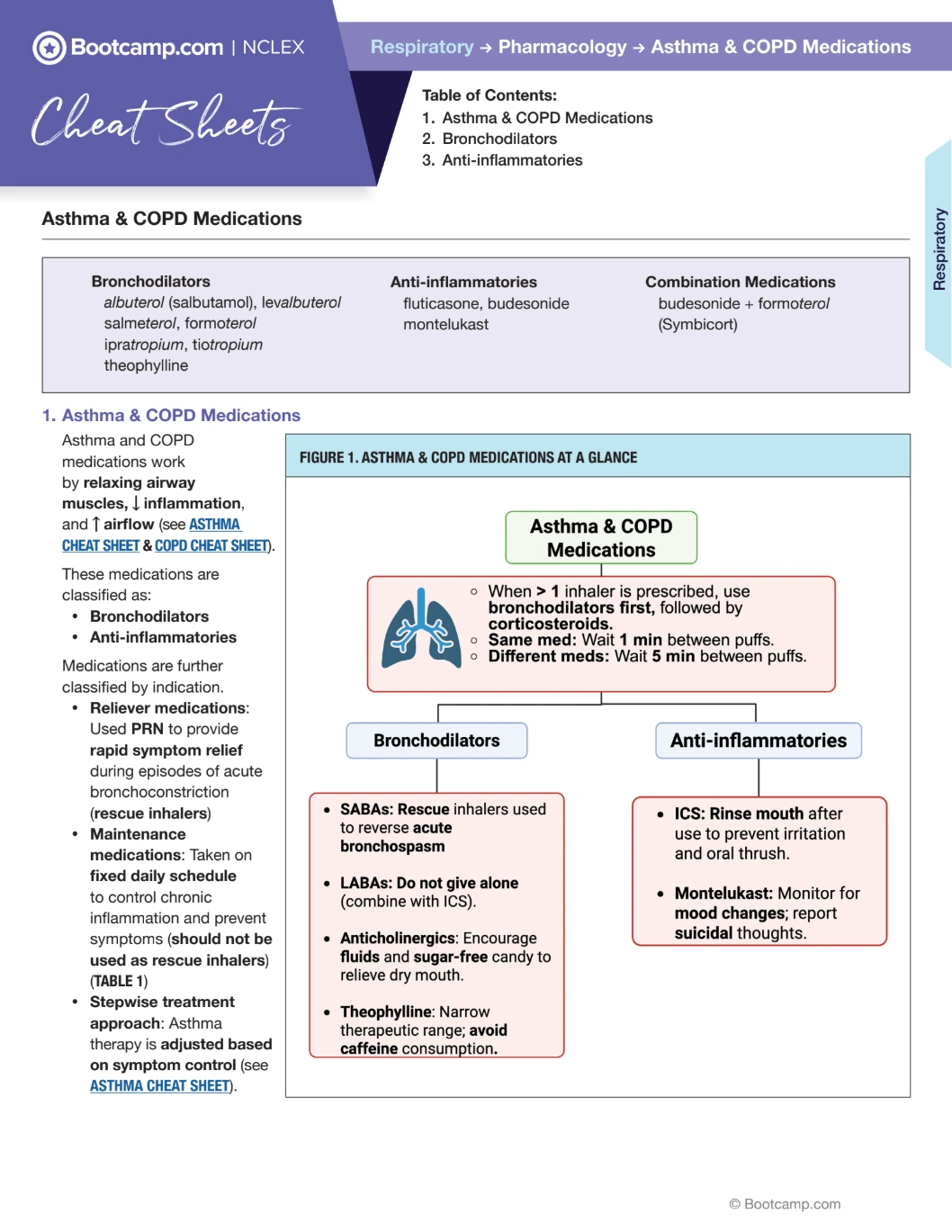
This cheat sheet covers asthma and COPD medications, including bronchodilators and anti-inflammatories. It explains the difference between PRN reliever medications for rapid symptom relief and controller medications for long-term management.
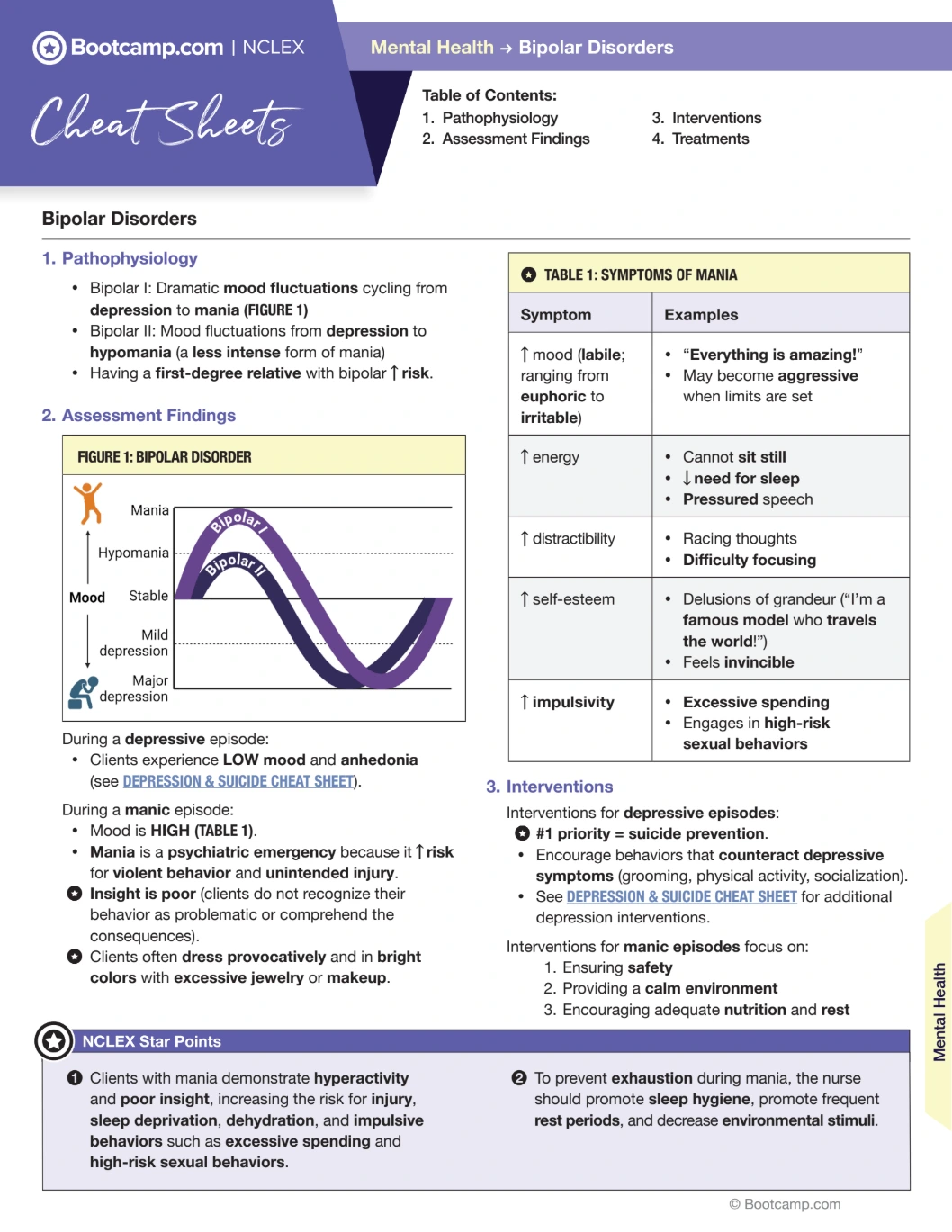
This cheat sheet covers bipolar disorders, including pathophysiology, assessment findings, interventions, and treatments. It emphasizes preventing exhaustion during mania by promoting rest and sleep hygiene and decreasing environmental stimuli.
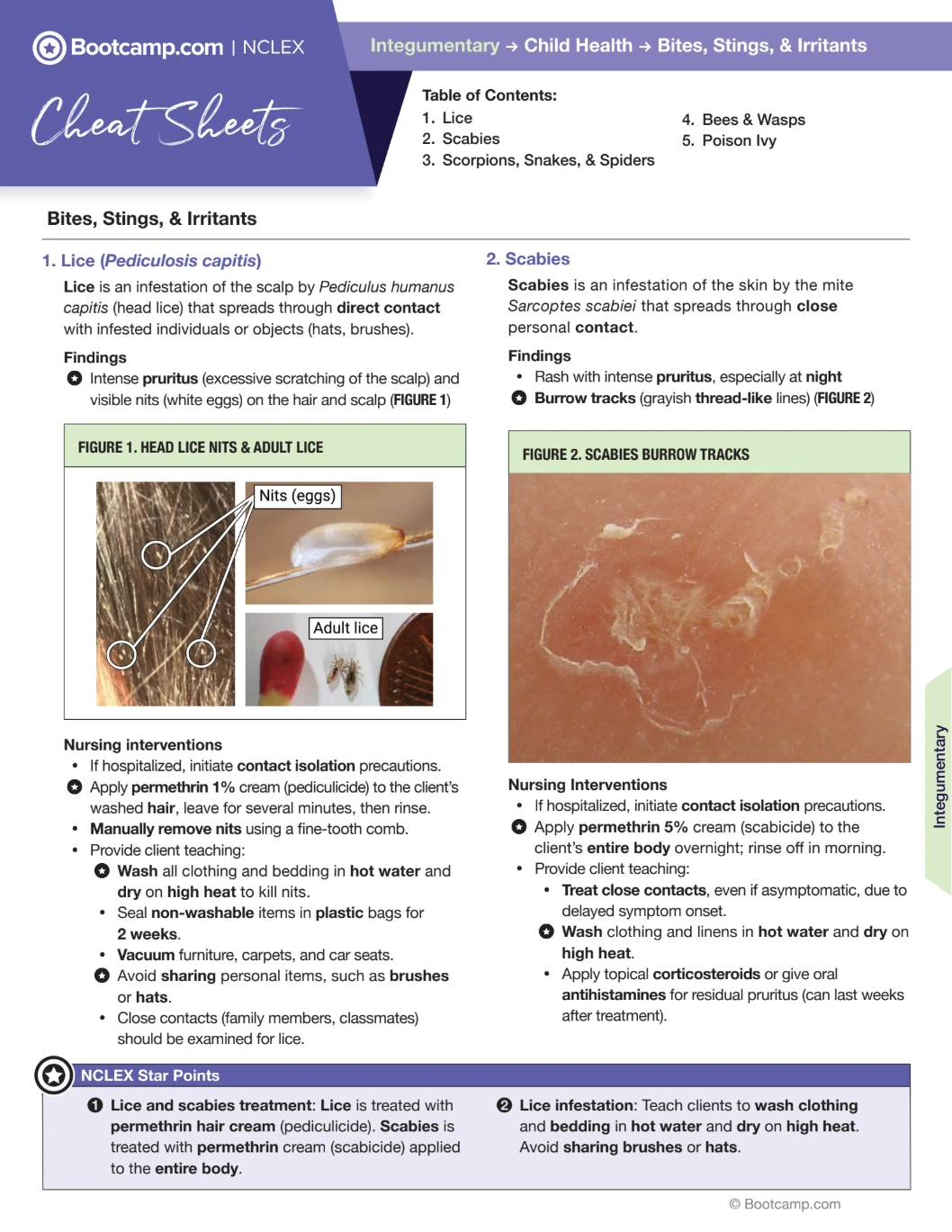
This cheat sheet covers bites, stings, and irritants, including lice, scabies, scorpions, snakes, spiders, bees, wasps, and poison ivy. It explains key findings like intense itching and visible nits with lice, along with nursing interventions for each.
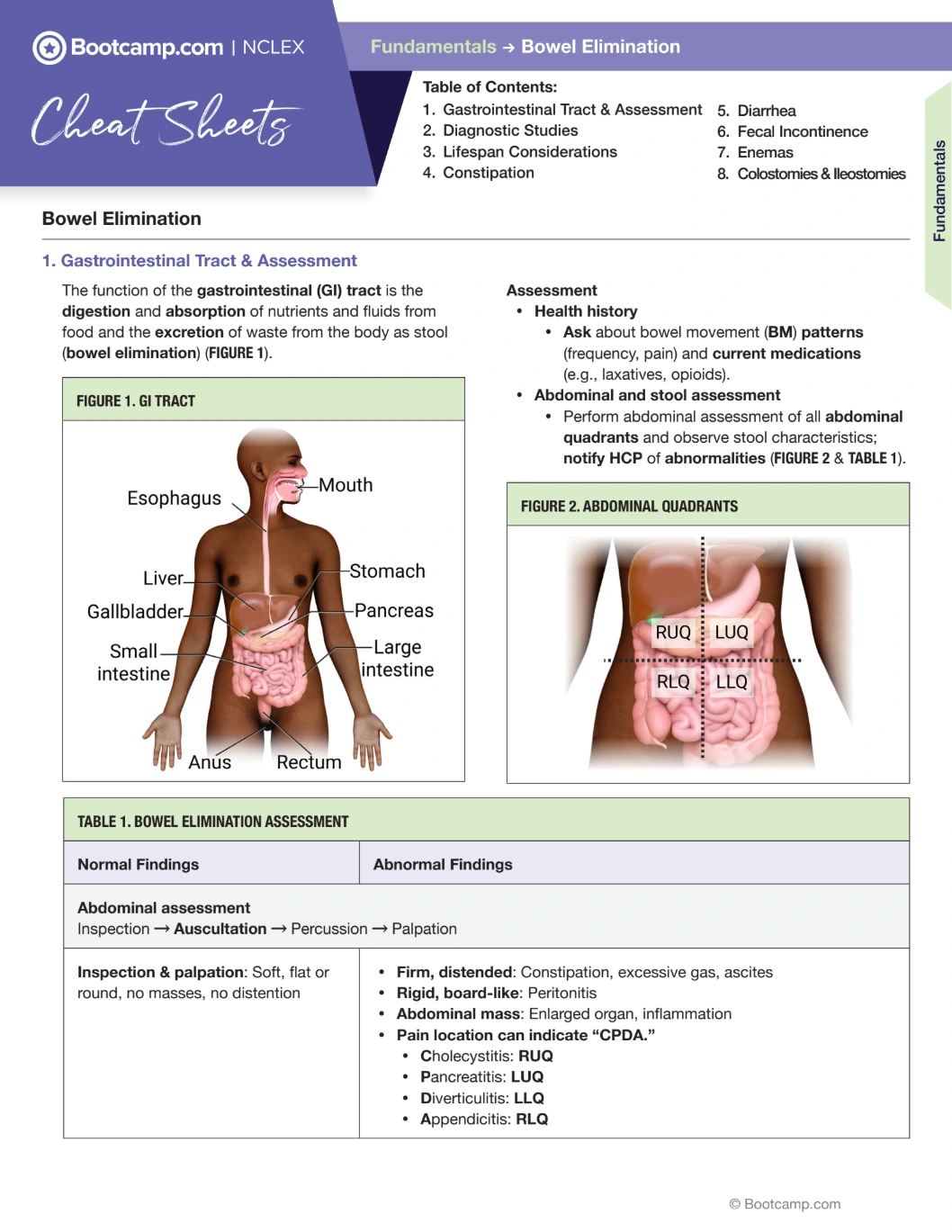
This cheat sheet covers bowel elimination, including GI assessment, diagnostic studies, lifespan considerations, constipation, diarrhea, fecal incontinence, enemas, and colostomies and ileostomies. It emphasizes assessing bowel patterns and caring for clients with altered elimination.
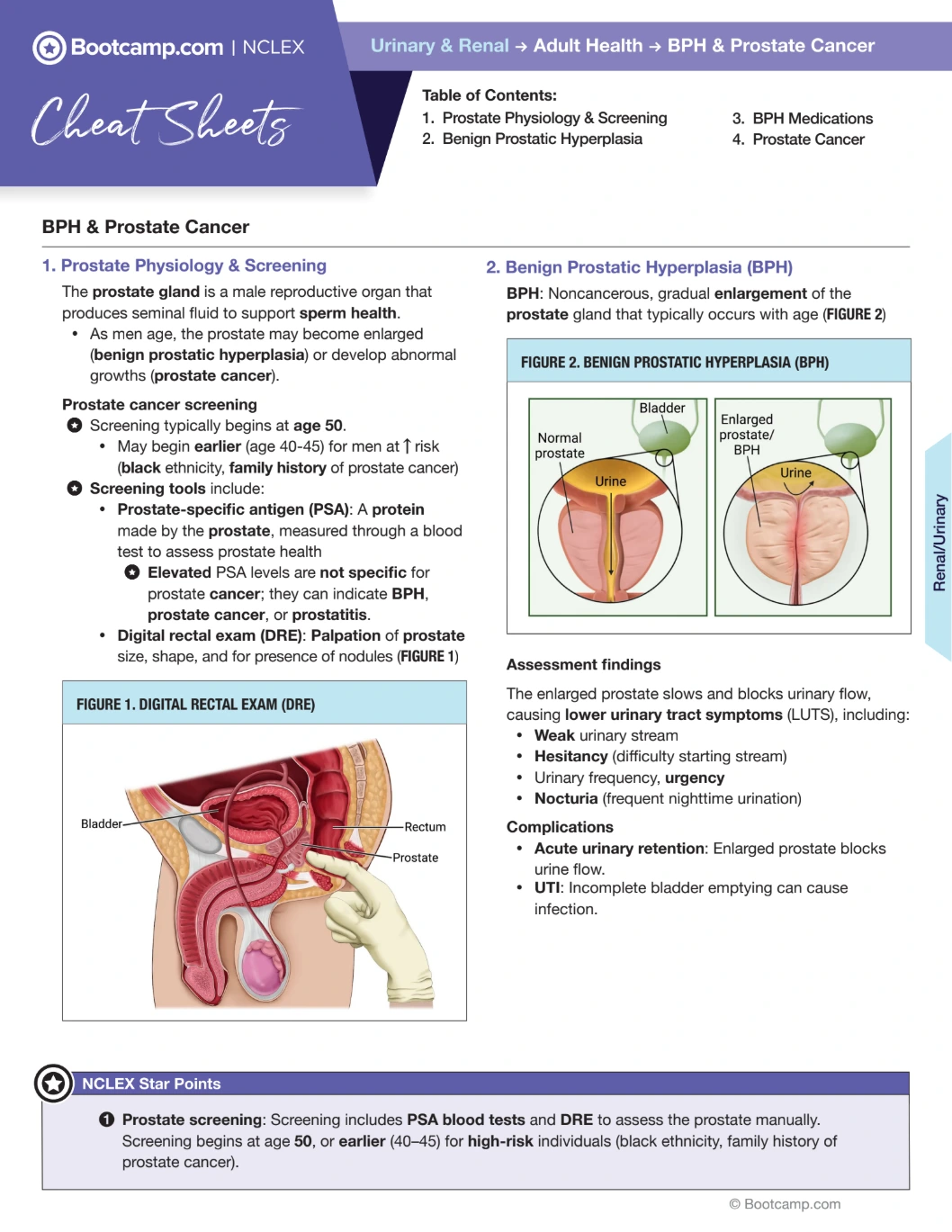
This cheat sheet covers prostate screening, benign prostatic hyperplasia, BPH medications, and prostate cancer. It explains PSA testing and digital rectal exams, and emphasizes that an elevated PSA isn't specific to cancer.
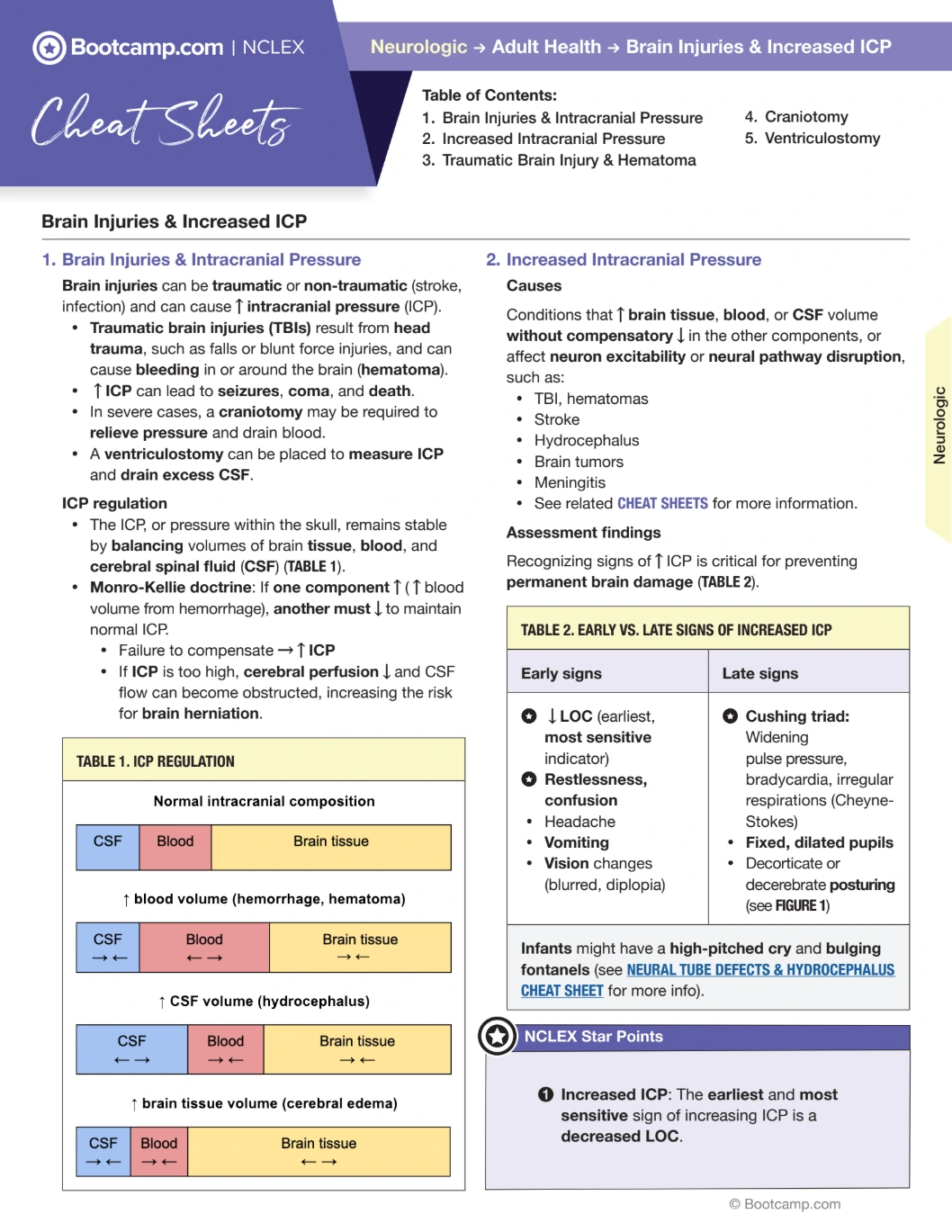
This cheat sheet covers traumatic brain injuries, hematomas, and increased intracranial pressure, explaining ICP regulation through the Monro-Kellie doctrine. It also reviews craniotomy and ventriculostomy care, emphasizing early recognition of rising ICP to prevent seizures, coma, and death.
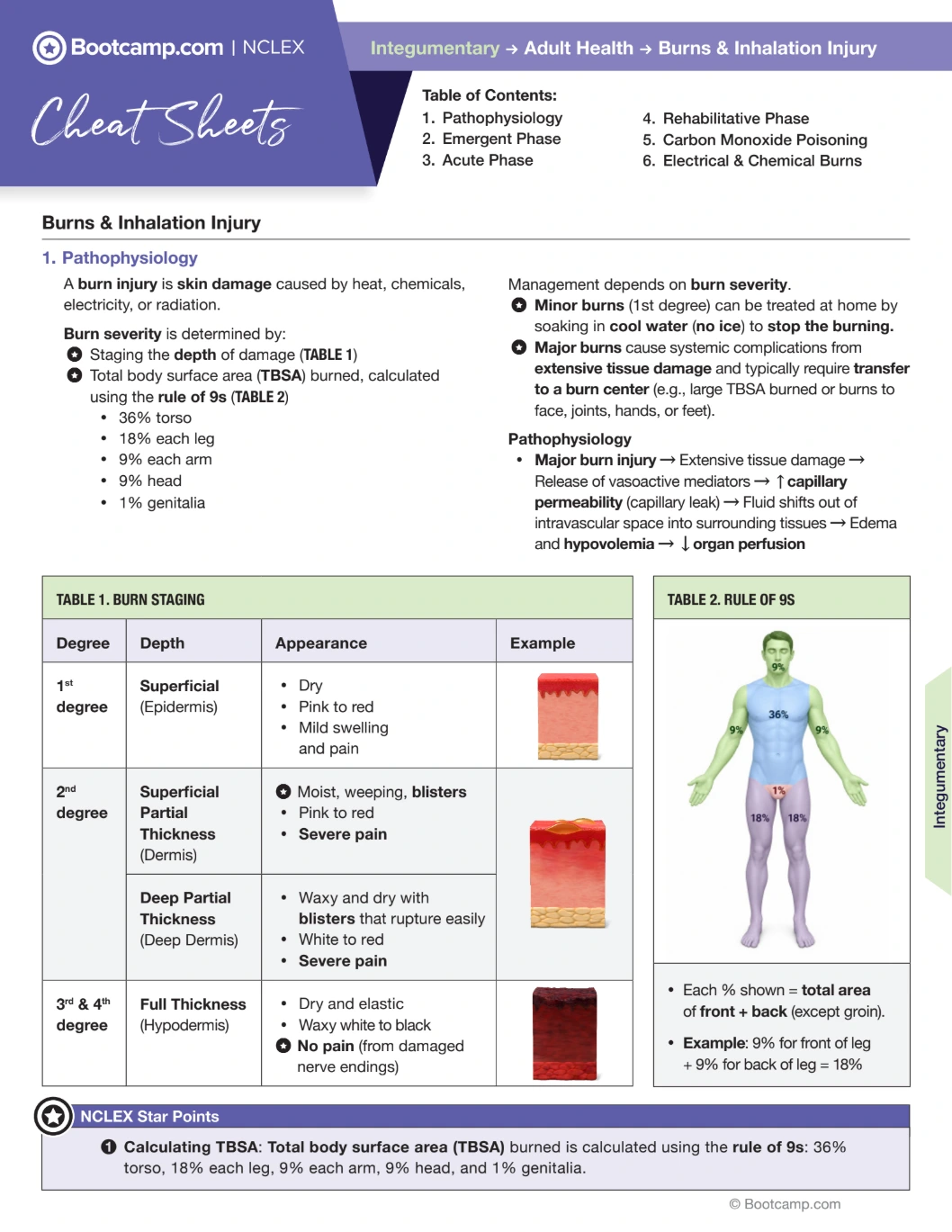
This cheat sheet covers burns and inhalation injury across the emergent, acute, and rehabilitative phases, along with carbon monoxide poisoning and electrical and chemical burns. It explains burn depth staging and the rule of 9s for TBSA, and emphasizes managing fluid shifts from increased capillary permeability.
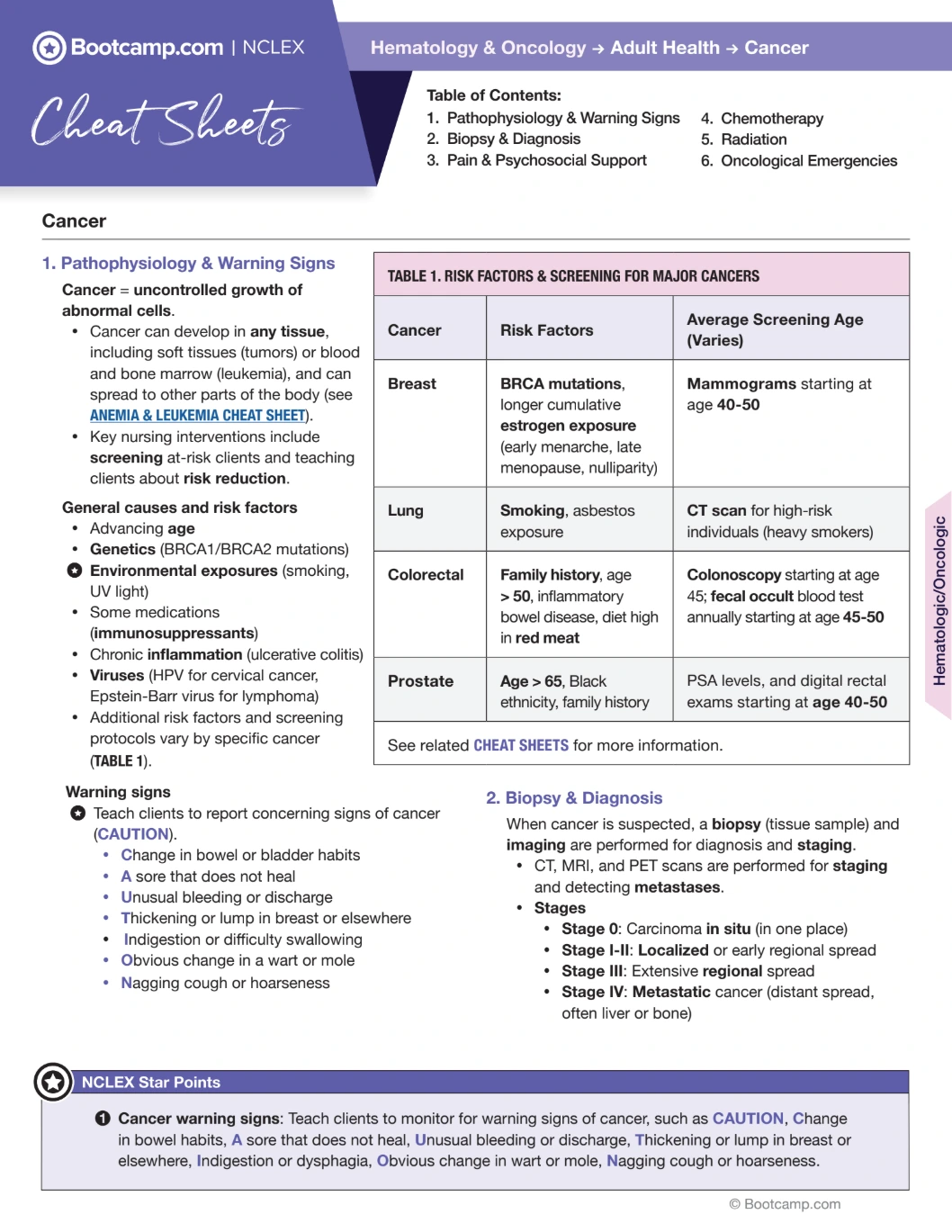
This cheat sheet covers cancer pathophysiology, warning signs, biopsy and diagnosis, chemotherapy, radiation, and oncological emergencies. It emphasizes screening at-risk clients, teaching risk reduction, and providing pain management and psychosocial support.
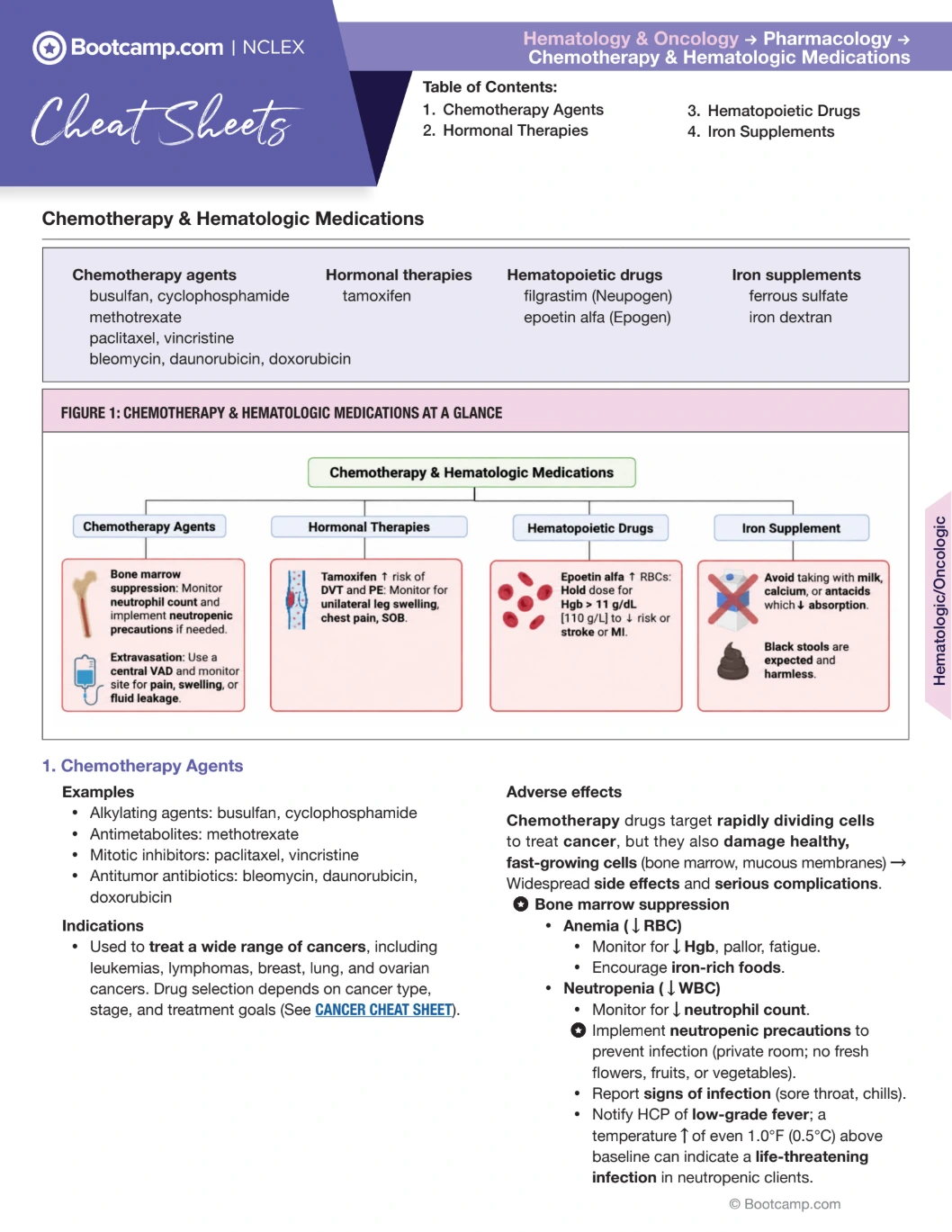
This cheat sheet covers chemotherapy agents, hormonal therapies, hematopoietic drugs, and iron supplements. It reviews chemotherapy classes like alkylating agents, antimetabolites, mitotic inhibitors, and antitumor antibiotics, with examples like methotrexate and doxorubicin.
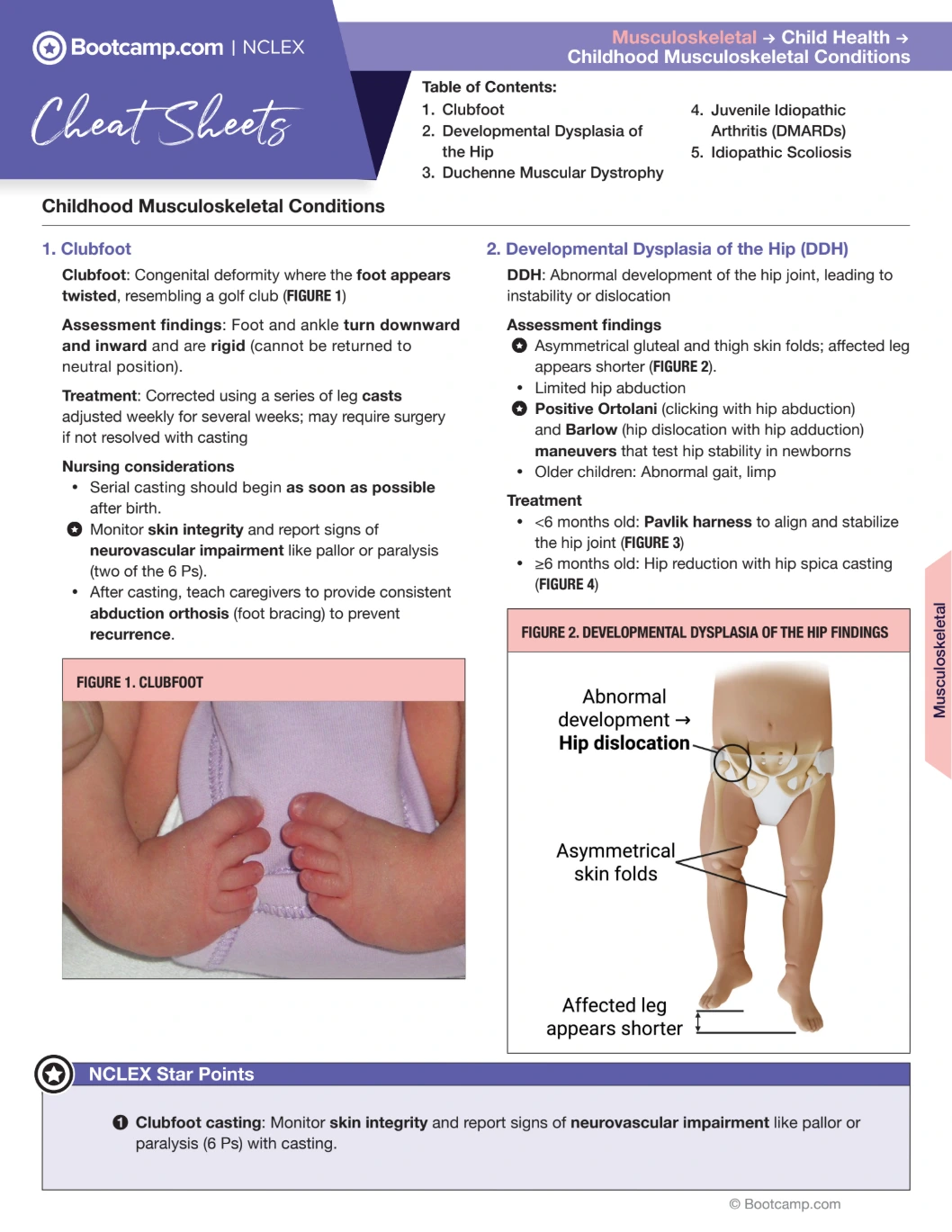
This cheat sheet covers childhood musculoskeletal conditions, including clubfoot, developmental dysplasia of the hip, Duchenne muscular dystrophy, juvenile idiopathic arthritis, and idiopathic scoliosis. It explains key assessment findings and treatments, like serial casting for clubfoot.
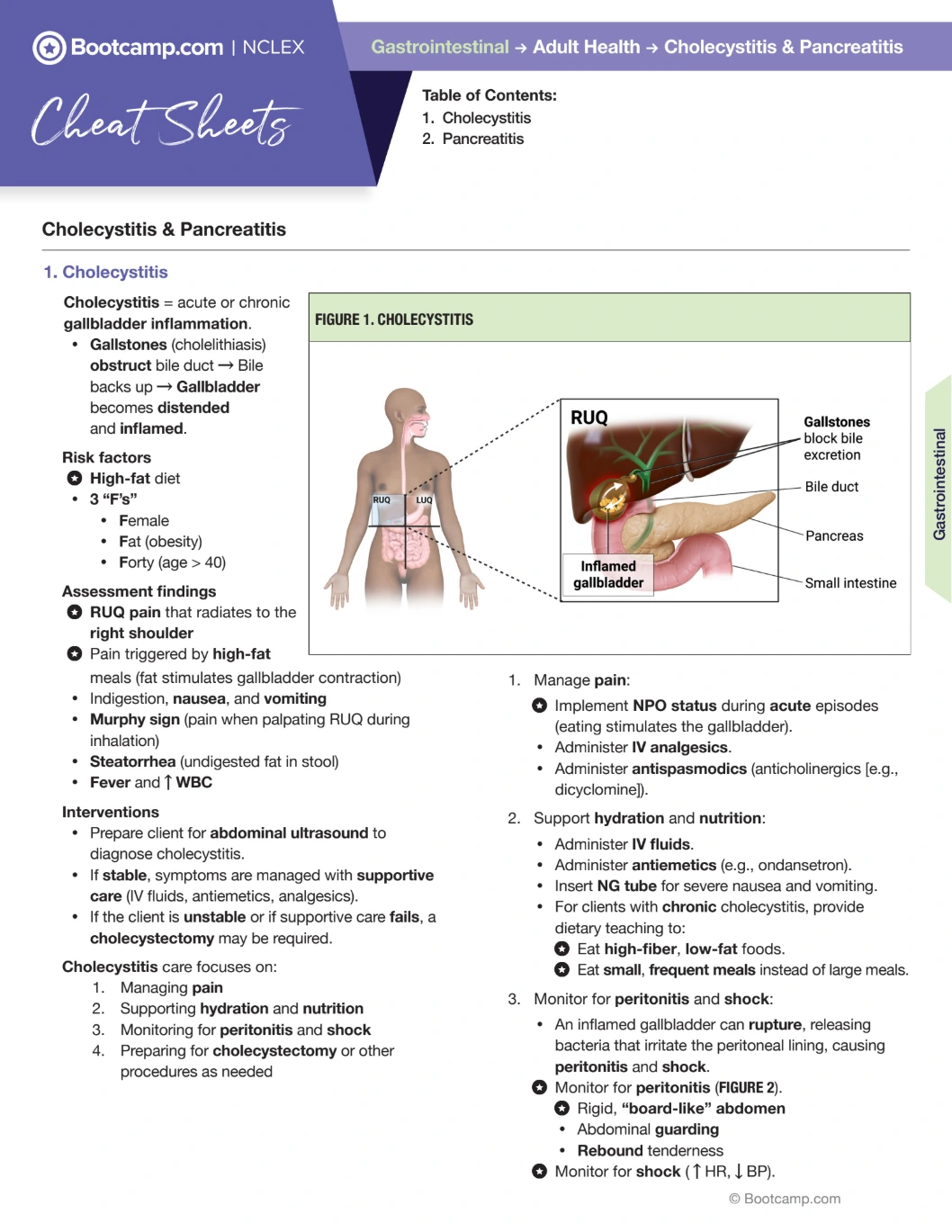
This cheat sheet covers cholecystitis and pancreatitis, including risk factors like the 3 F's and classic RUQ pain that radiates to the right shoulder after fatty meals. It emphasizes pain management, hydration and nutrition support, and monitoring for peritonitis and shock.
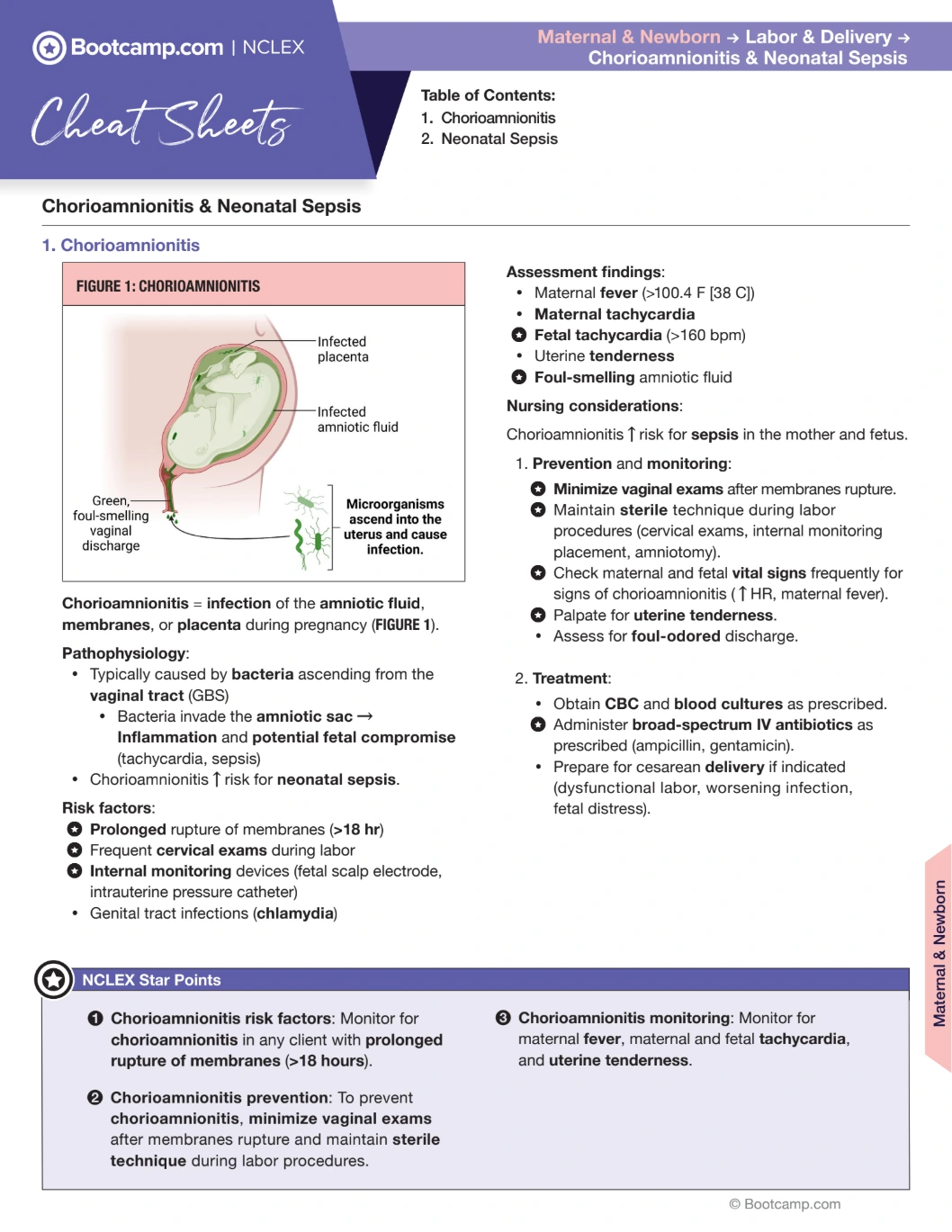
This cheat sheet covers chorioamnionitis and neonatal sepsis. It explains how bacteria like GBS ascend from the vaginal tract to infect the amniotic sac, and how chorioamnionitis increases the newborn's risk for sepsis.
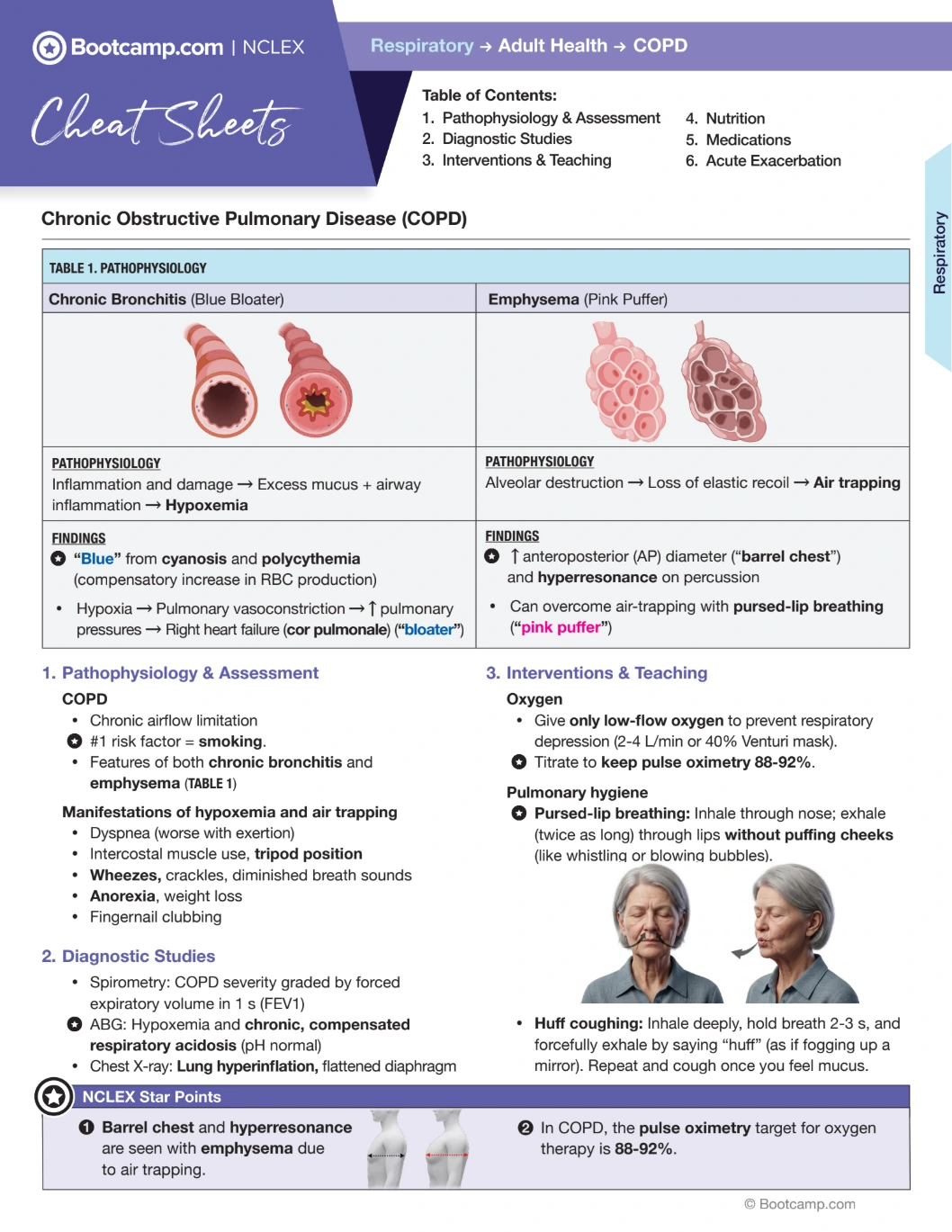
This cheat sheet covers COPD, comparing chronic bronchitis and emphysema and reviewing diagnostics, nutrition, medications, and acute exacerbations. It emphasizes giving low-flow oxygen titrated to 88-92% and teaching pursed-lip breathing and huff coughing.

This cheat sheet covers infant digestive and feeding disorders, including cleft lip and palate, tracheoesophageal fistula and esophageal atresia, and infant GER and GERD. It emphasizes preventing aspiration, malnutrition, and growth delays through specialized feeding techniques and caregiver education.
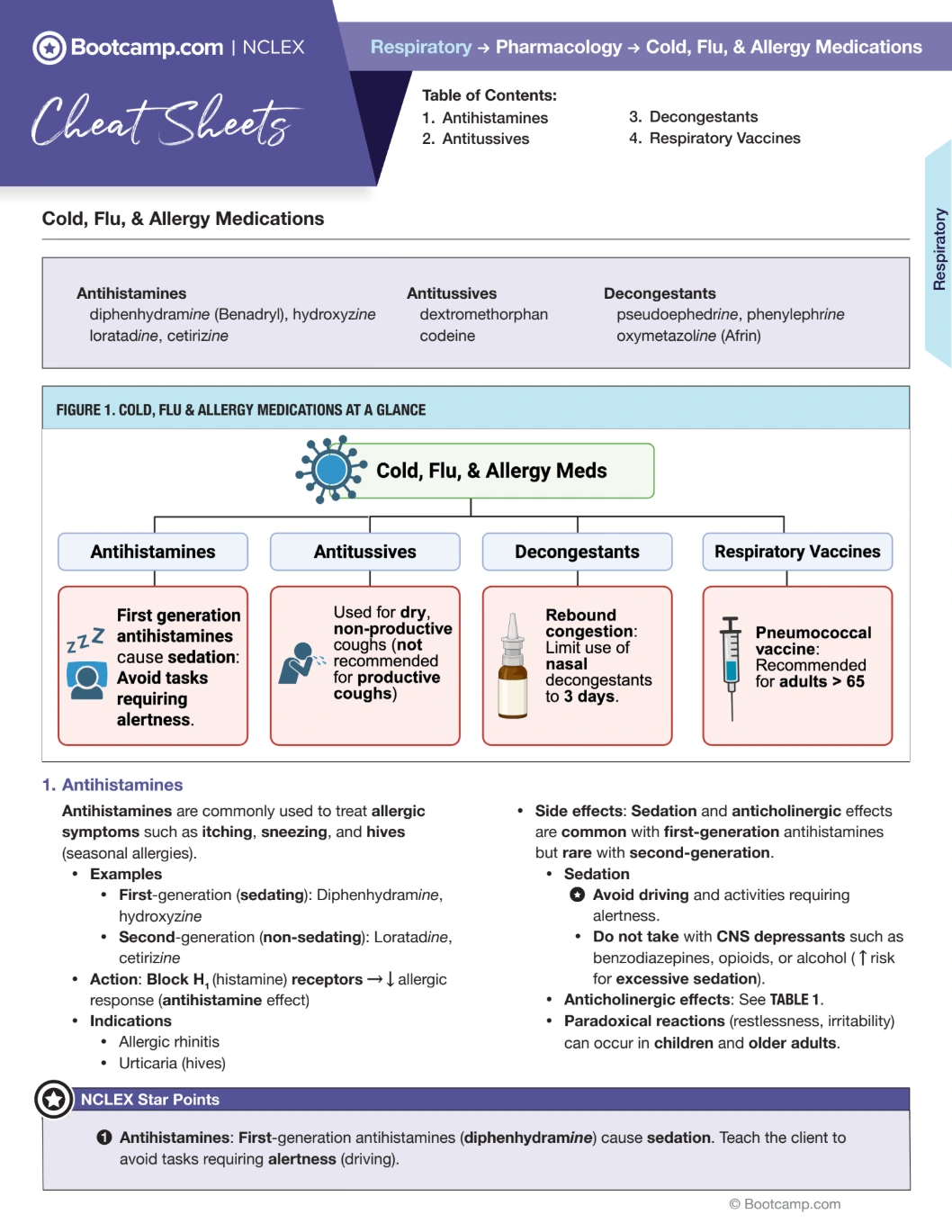
This cheat sheet covers antihistamines, antitussives, decongestants, and respiratory vaccines. It emphasizes teaching clients that first-generation antihistamines like diphenhydramine cause sedation, so they should avoid tasks like driving.
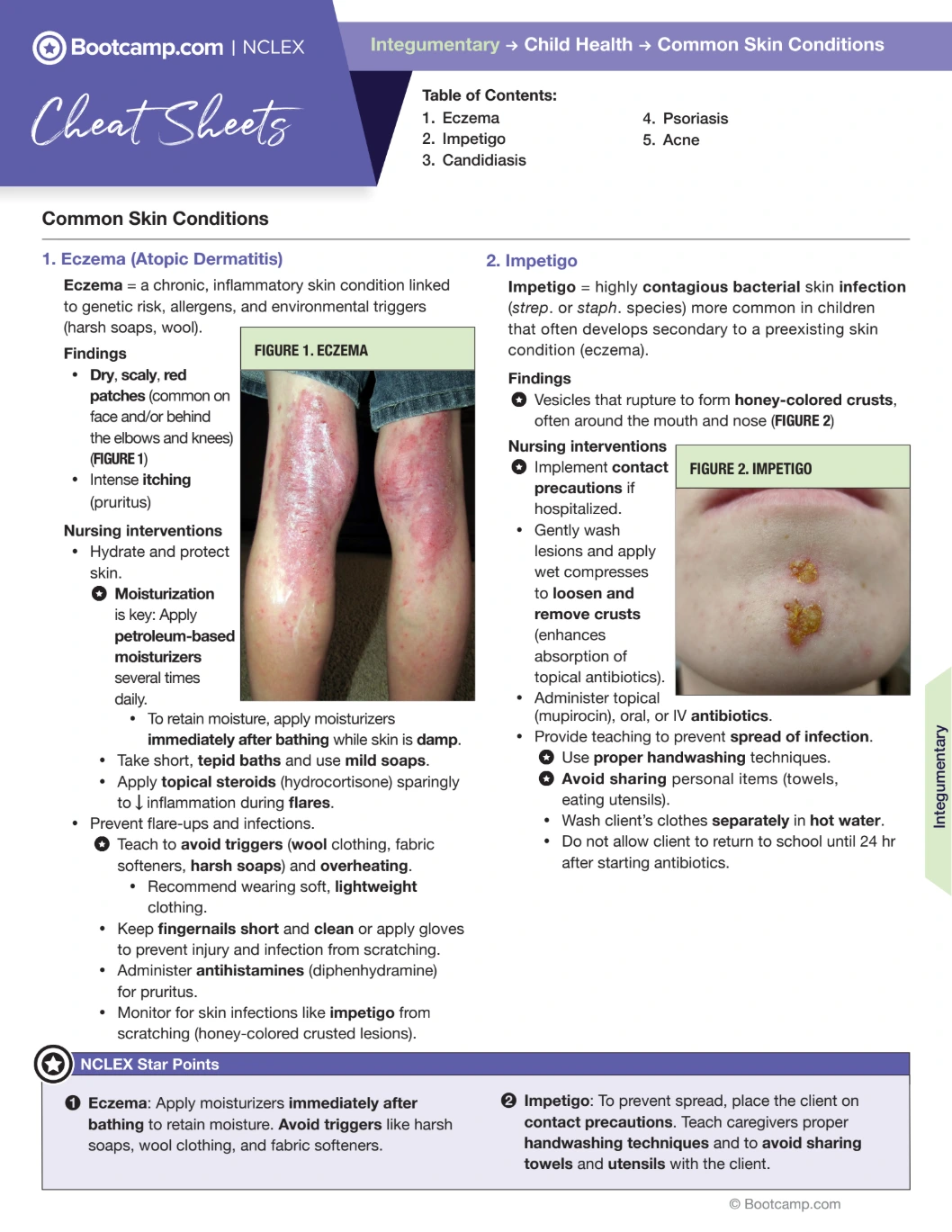
This cheat sheet covers common skin conditions, including eczema, impetigo, candidiasis, psoriasis, and acne. It explains the findings and nursing interventions for each, like keeping skin hydrated with frequent moisturizing for eczema.
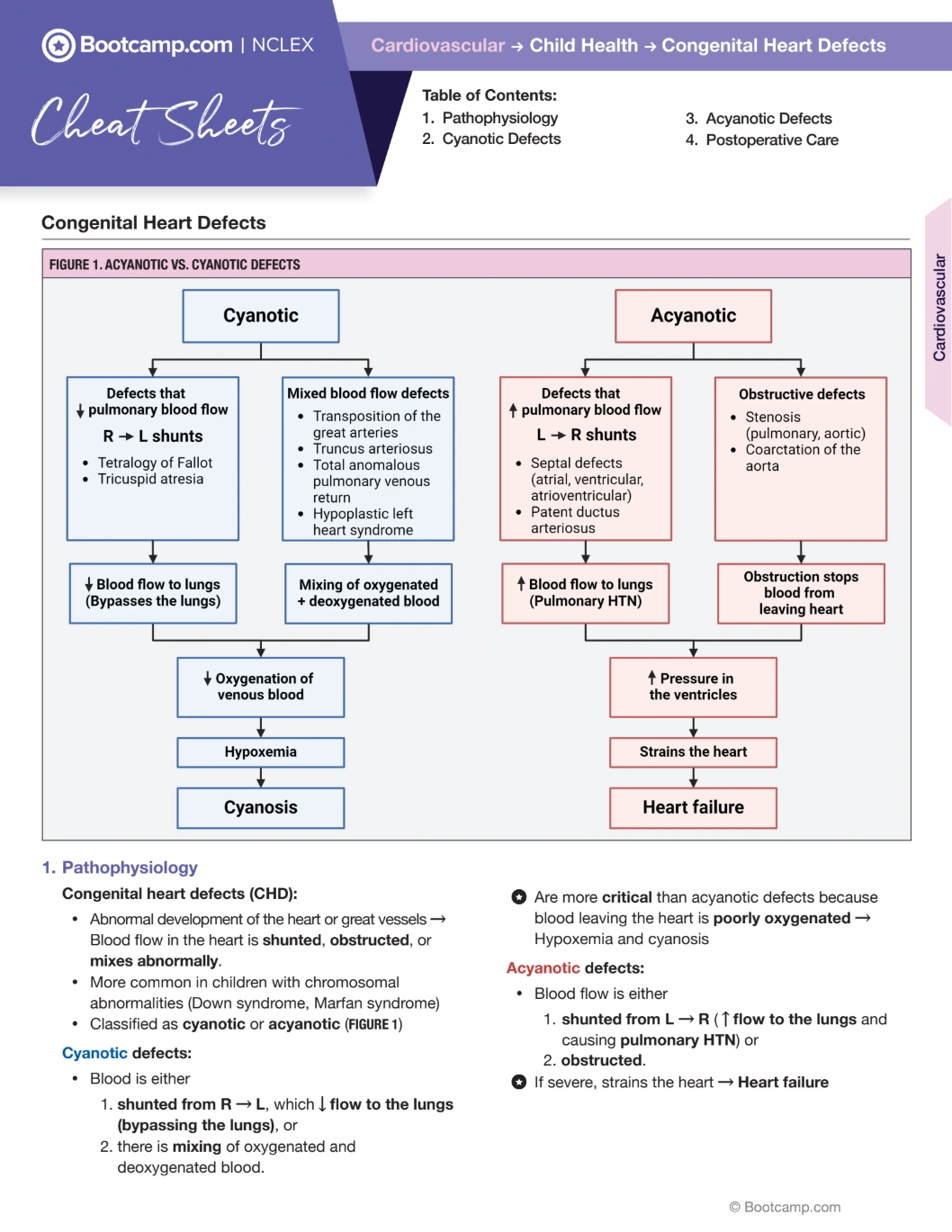
This cheat sheet covers congenital heart defects, comparing cyanotic and acyanotic defects and reviewing postoperative care. It explains why cyanotic defects are more critical, since poorly oxygenated blood leaving the heart causes hypoxemia and cyanosis.

This cheat sheet covers atherosclerotic cardiovascular disease, coronary artery disease, and acute coronary syndrome, along with cardiac catheterization and CABG. It emphasizes risk assessment and reduction, including lipoprotein levels, to prevent MI and stroke.
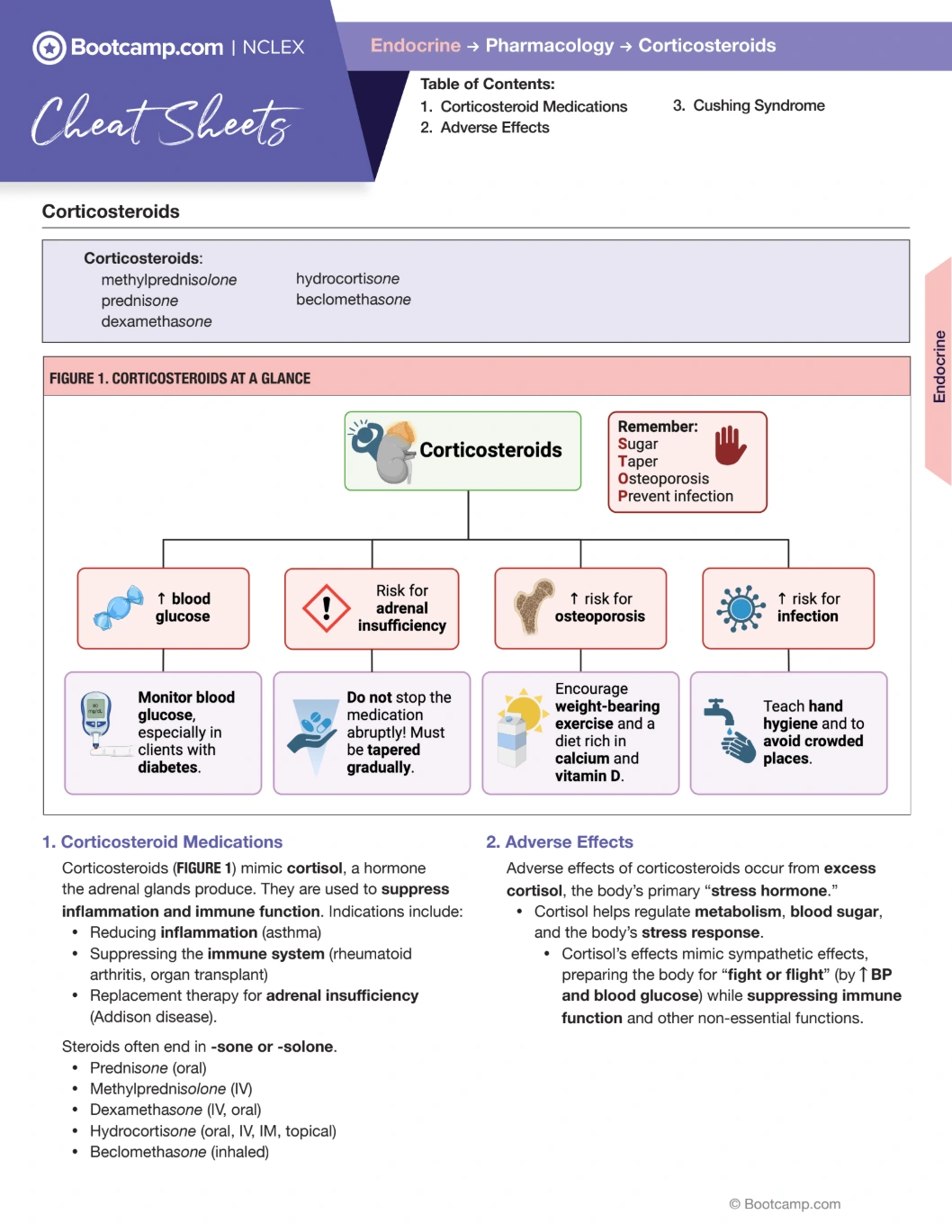
This cheat sheet covers corticosteroid medications, their adverse effects, and Cushing syndrome. It explains how corticosteroids like prednisone mimic cortisol to suppress inflammation and immune function.

This cheat sheet covers the 12 cranial nerves, Bell palsy, and trigeminal neuralgia, with mnemonics for each nerve's function and whether it's sensory, motor, or both. It emphasizes how to assess each cranial nerve, like checking PERRLA and using a Snellen chart.
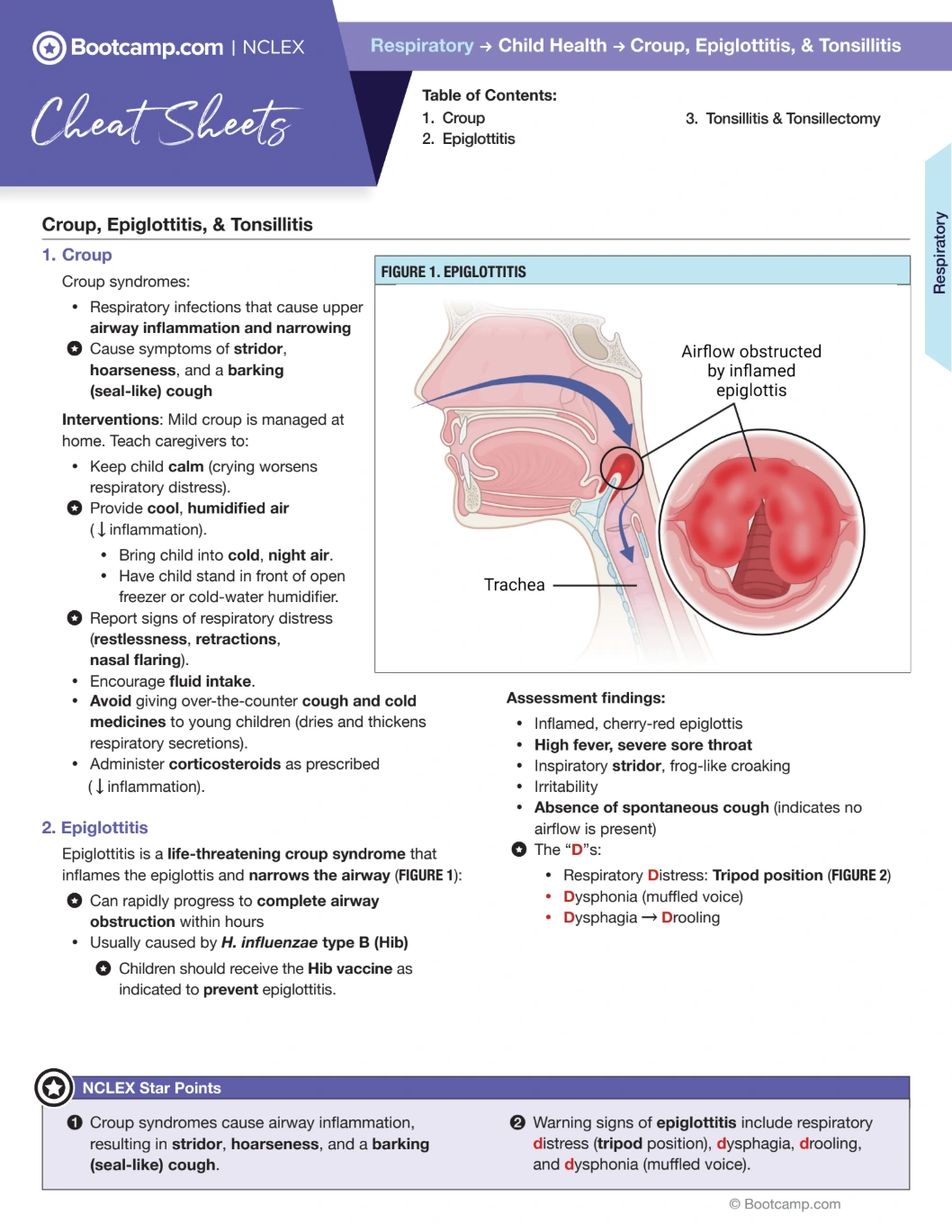
This cheat sheet covers croup, epiglottitis, and tonsillitis and tonsillectomy. It emphasizes recognizing epiglottitis as an emergency, with findings like a cherry-red epiglottis, inspiratory stridor, tripod positioning, drooling, dysphonia, and dysphagia.
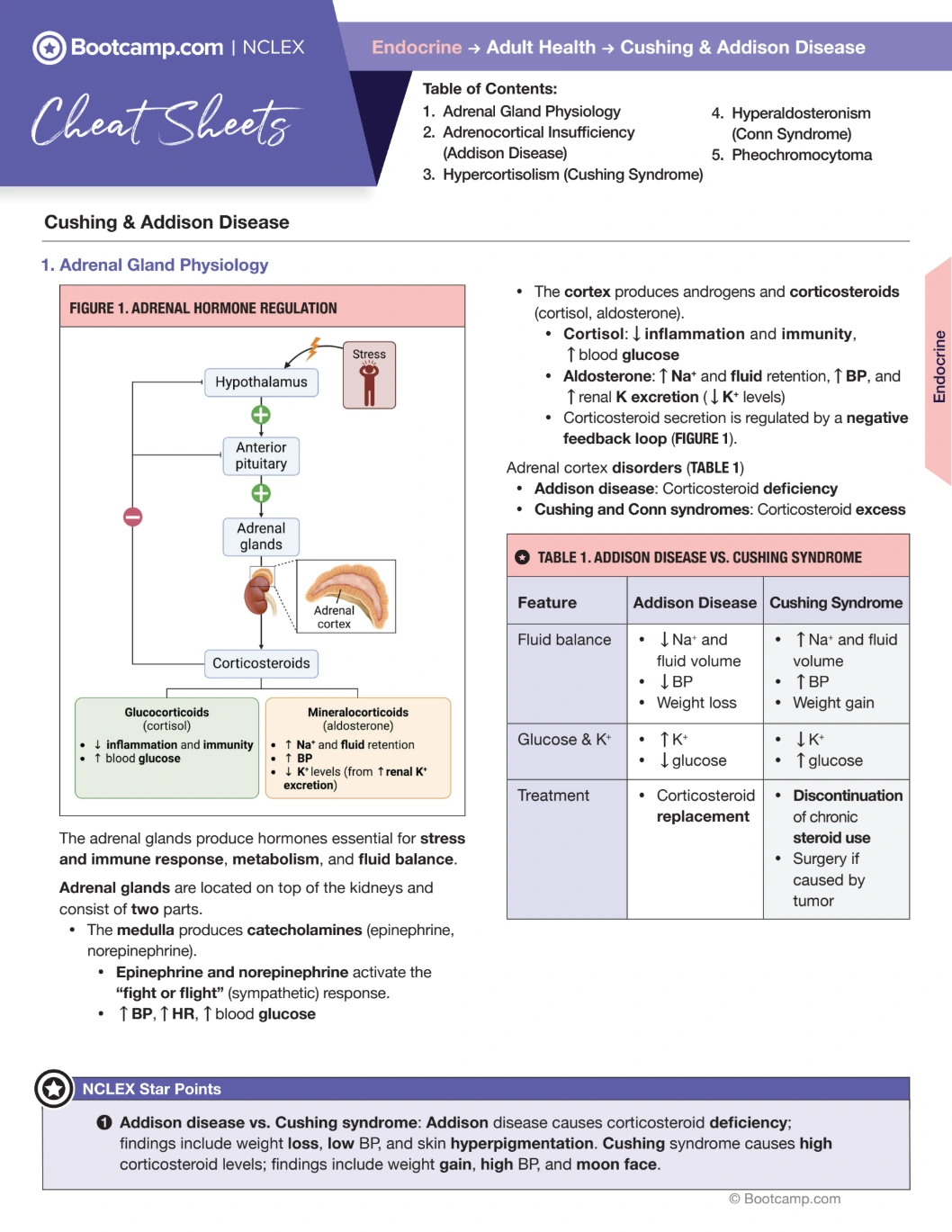
This cheat sheet covers adrenal gland physiology, Addison disease, Cushing syndrome, Conn syndrome, and pheochromocytoma. It compares how corticosteroid deficiency and excess affect sodium, fluid volume, blood pressure, potassium, and glucose.
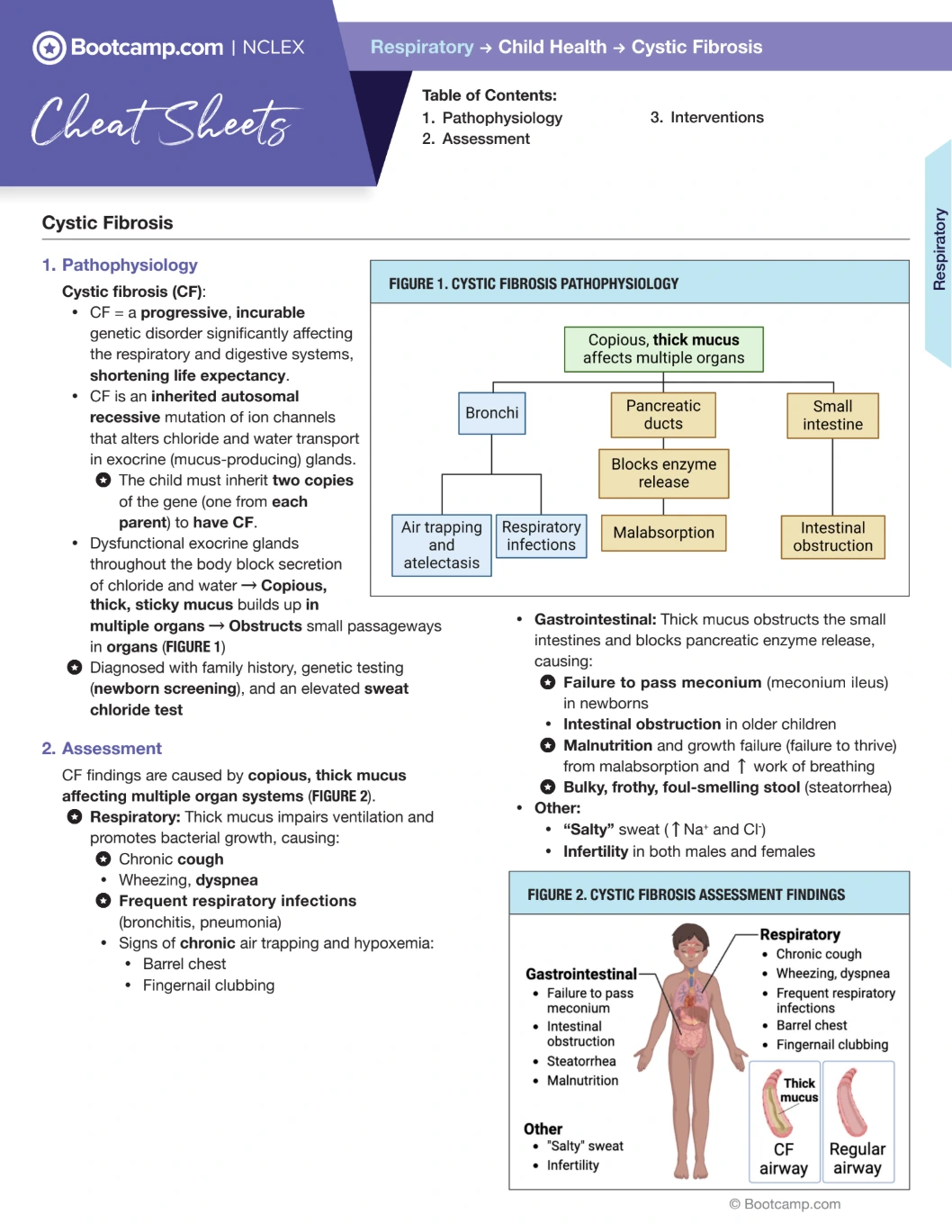
This cheat sheet covers cystic fibrosis, including pathophysiology, assessment, and interventions. It explains how this autosomal recessive disorder alters chloride and water transport, causing thick secretions that affect the respiratory and digestive systems.
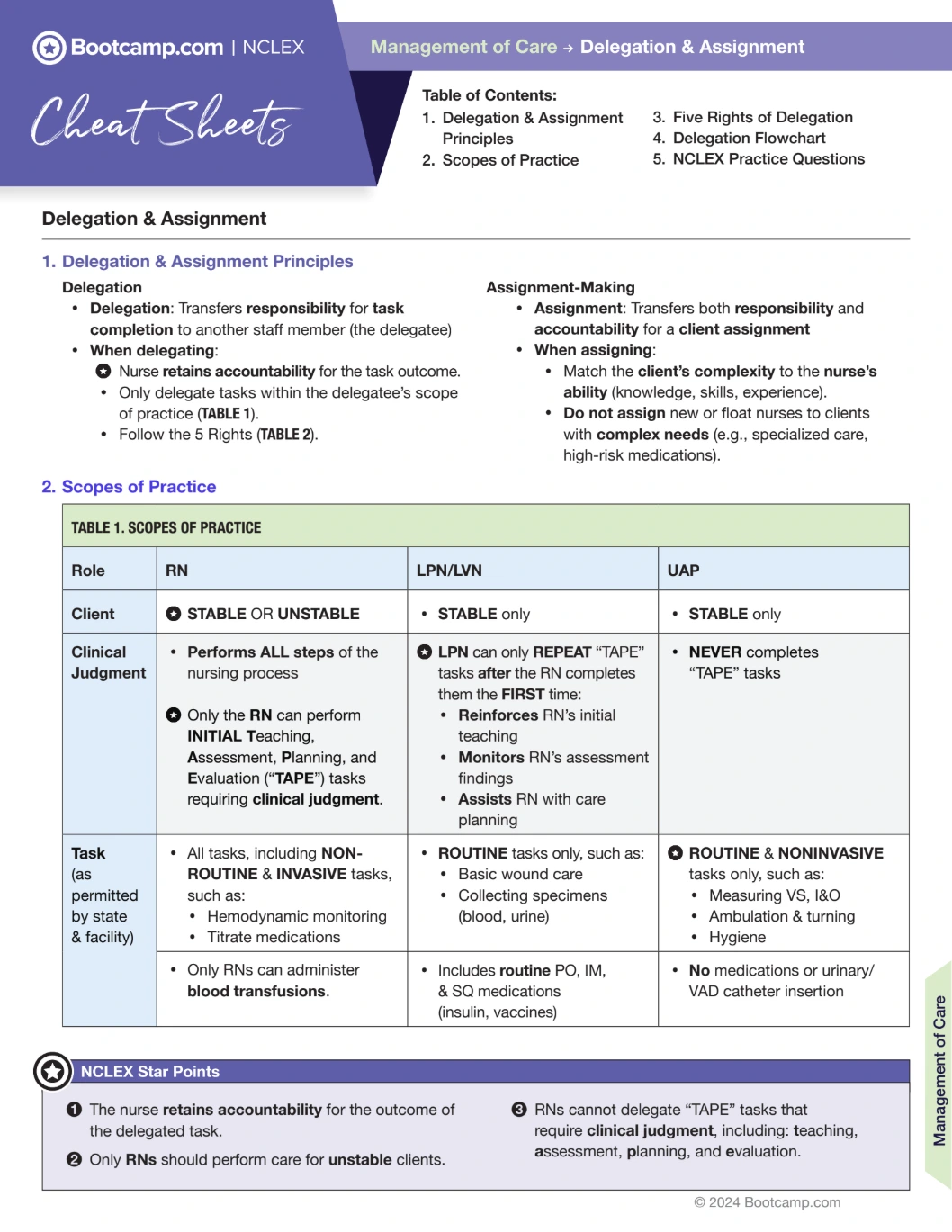
This cheat sheet covers delegation and assignment principles, scopes of practice, the five rights of delegation, and a delegation flowchart, with NCLEX practice questions. It emphasizes that RNs keep accountability for delegated tasks, care for unstable clients, and can't delegate TAPE tasks: teaching, assessment, planning, and evaluation.
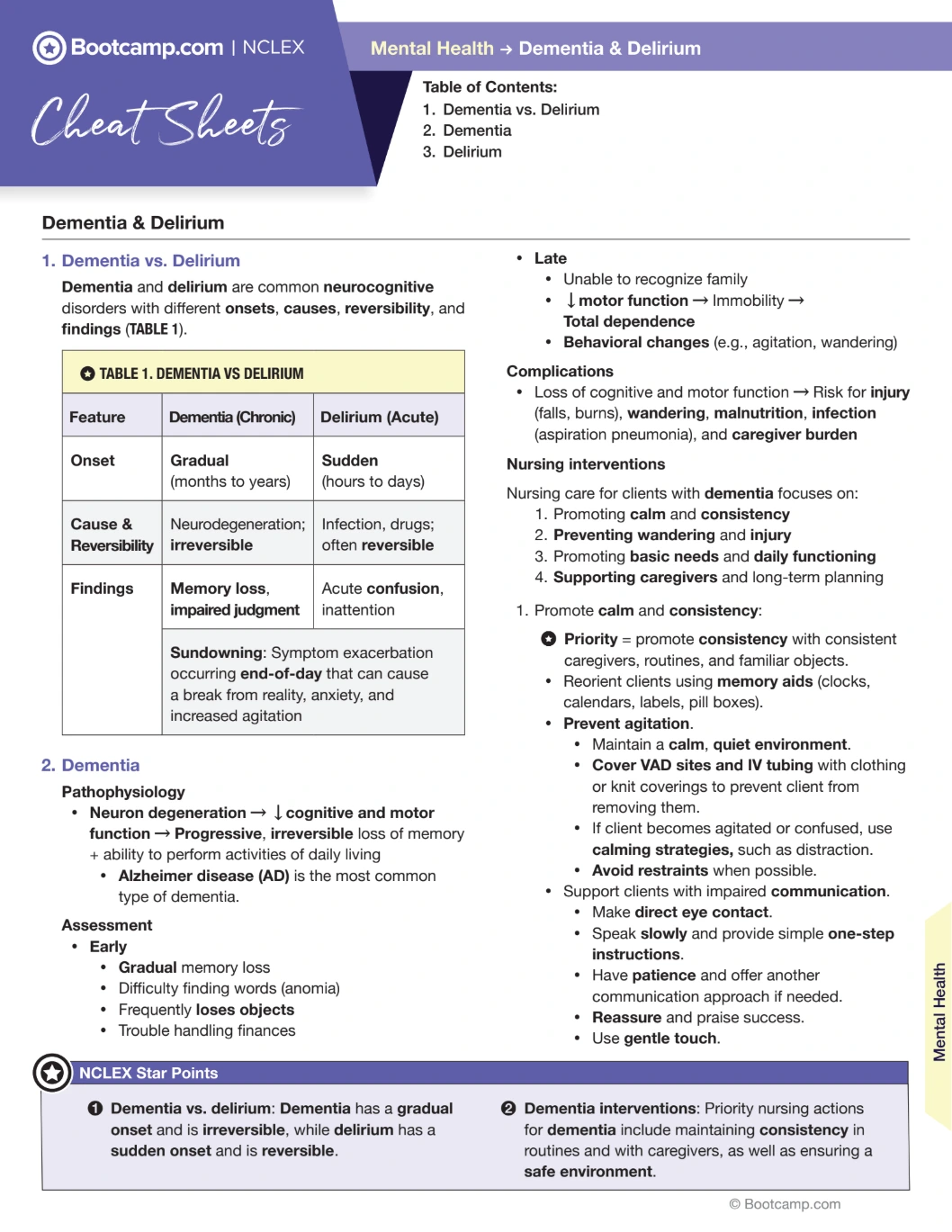
This cheat sheet covers dementia and delirium, comparing their onset, causes, reversibility, and findings. It explains that dementia is gradual and irreversible, while delirium is sudden and often reversible once the cause, like infection or drugs, is treated.
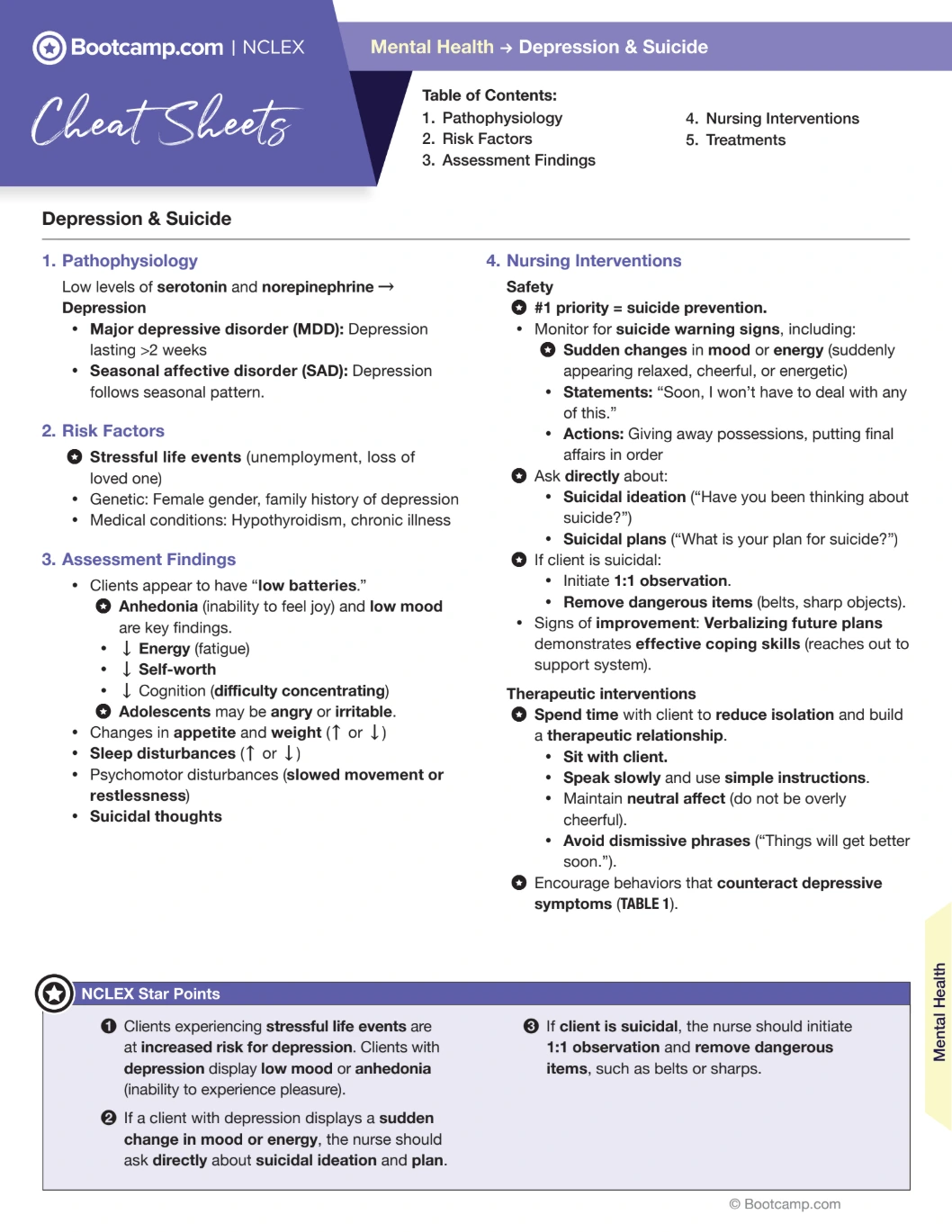
This cheat sheet covers depression and suicide, including pathophysiology, risk factors, assessment findings, nursing interventions, and treatments. It explains major depressive disorder and seasonal affective disorder and the risk factors for depression.
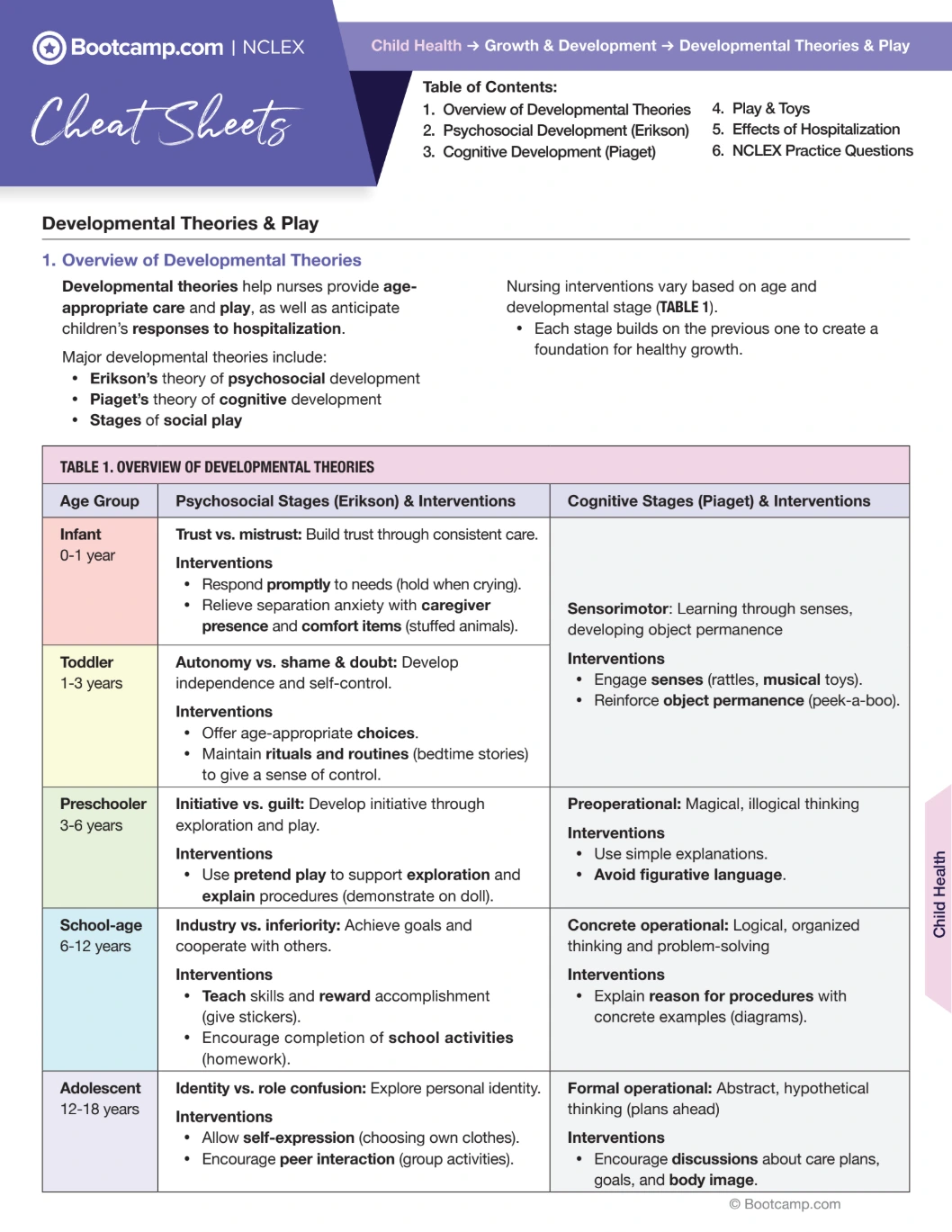
This cheat sheet covers developmental theories, including Erikson's psychosocial stages and Piaget's cognitive stages, along with age-appropriate play, toys, and the effects of hospitalization. It also includes NCLEX practice questions that apply each stage to nursing interventions.
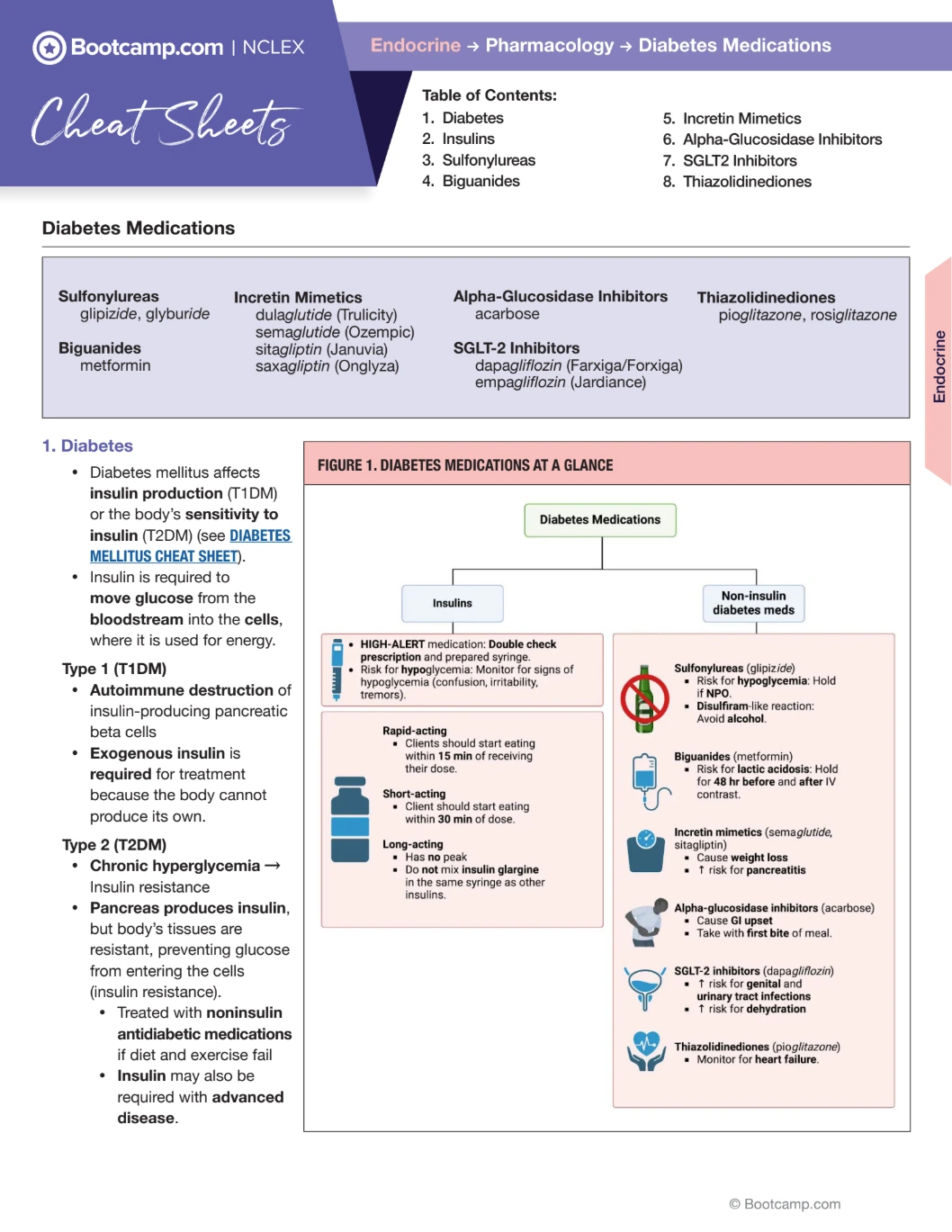
This cheat sheet covers diabetes medications, explaining insulins, sulfonylureas, biguanides, incretin mimetics, alpha-glucosidase inhibitors, SGLT2 inhibitors, and thiazolidinediones. It explains how these drugs manage blood glucose in clients with type 1 and type 2 diabetes.
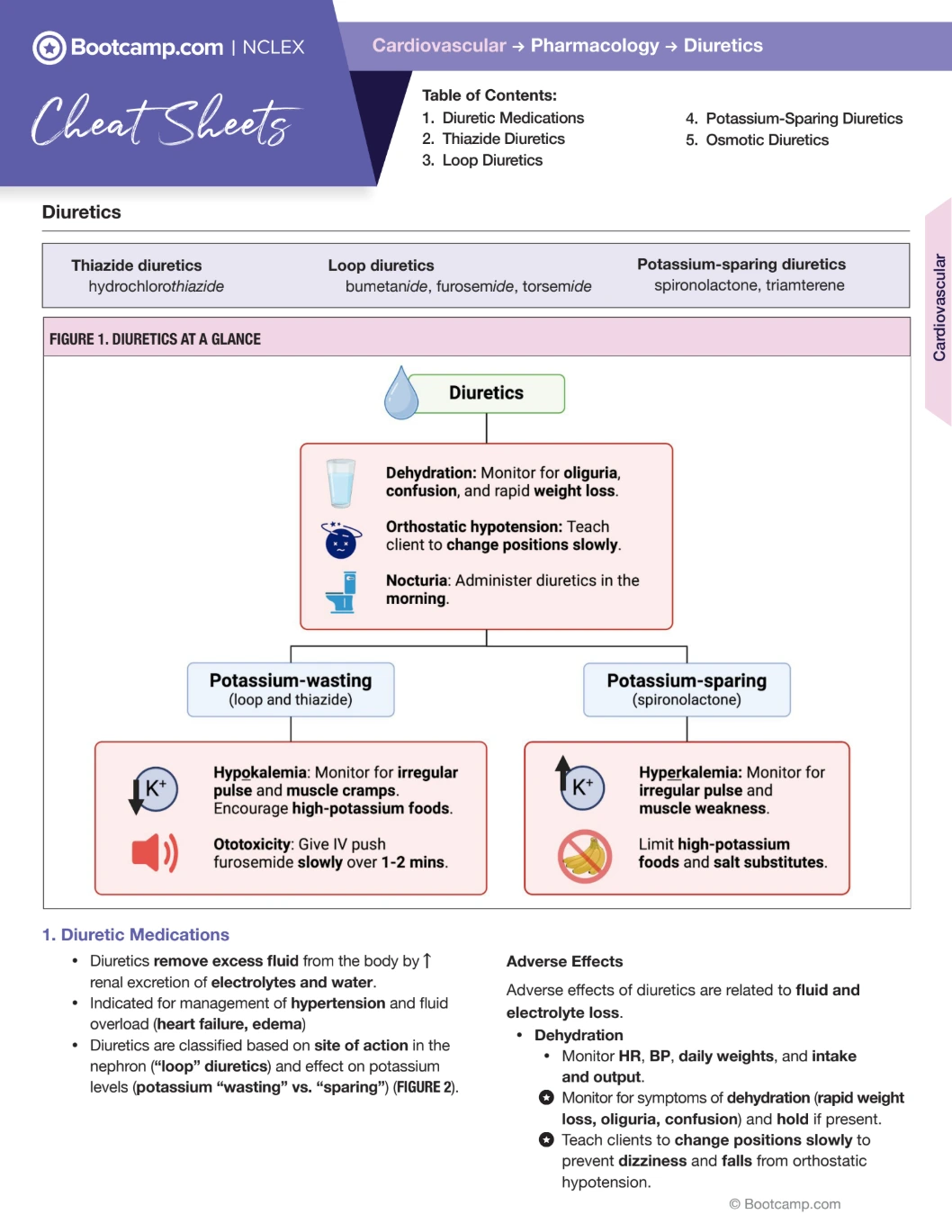
This cheat sheet covers diuretics, explaining classes like thiazide, loop, potassium-sparing, and osmotic diuretics. It explains how they remove excess fluid through renal excretion of electrolytes and water, and their use in managing hypertension.
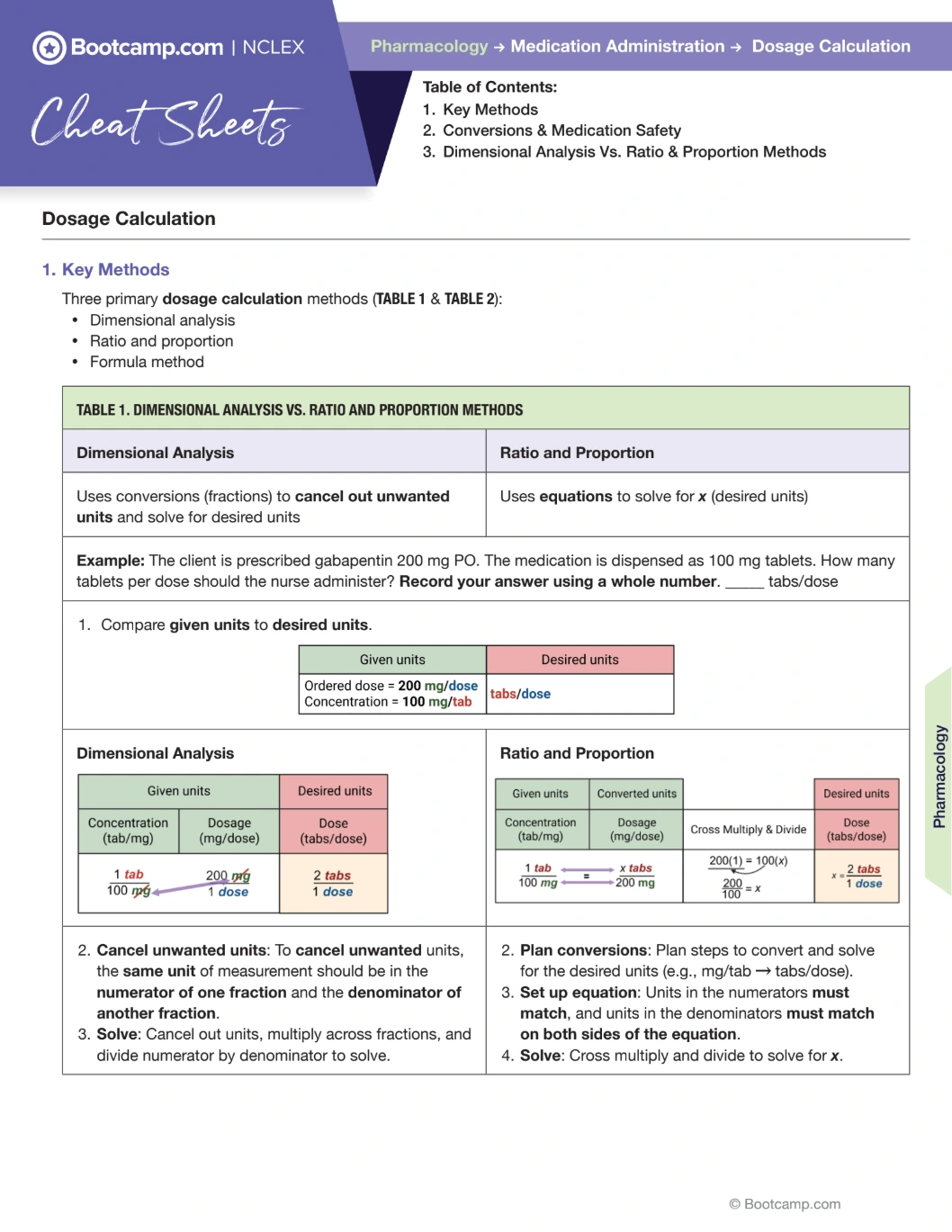
This cheat sheet covers dosage calculation, including dimensional analysis, ratio and proportion, and the formula method, plus conversions and medication safety. It compares the dimensional analysis and ratio and proportion methods side by side.
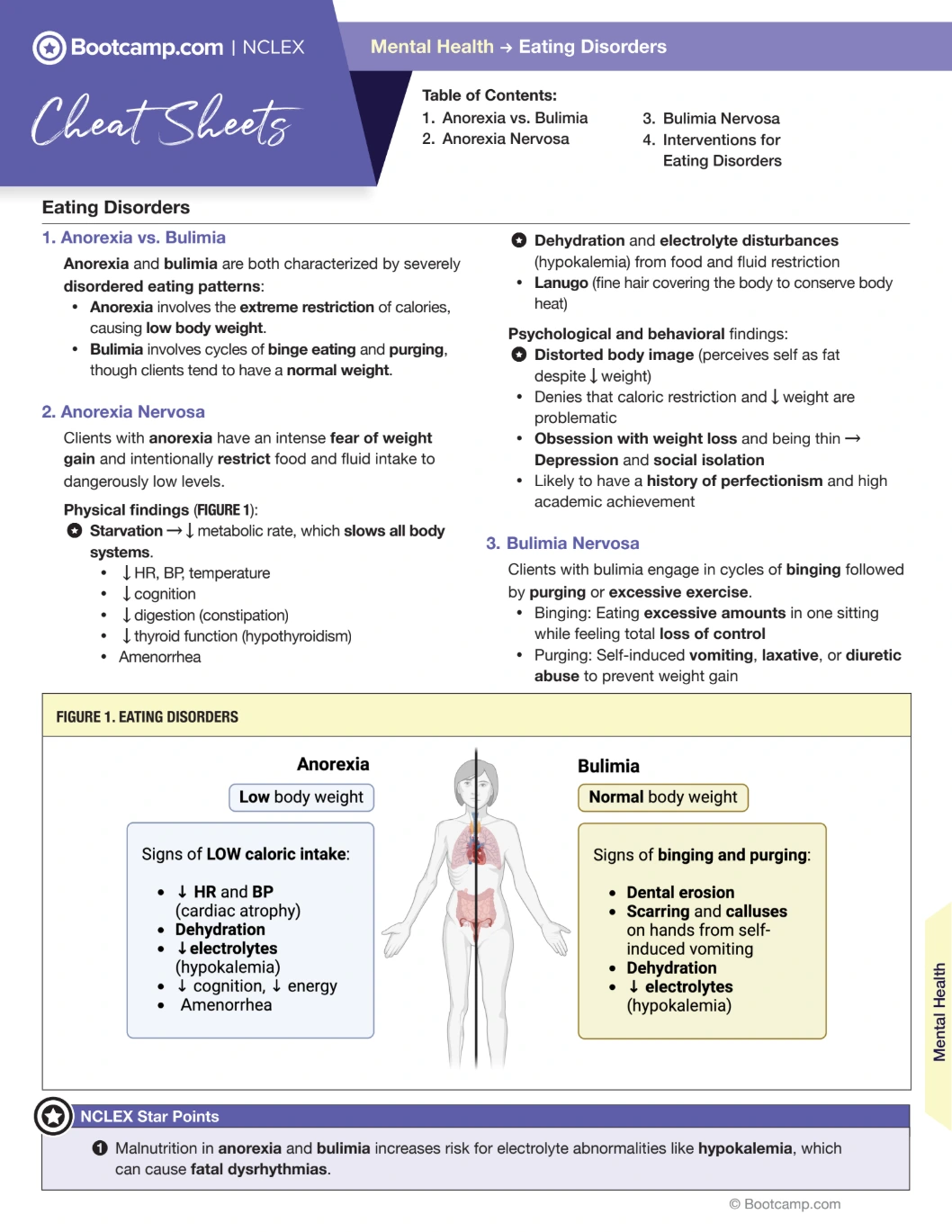
This cheat sheet covers anorexia nervosa and bulimia nervosa, comparing extreme calorie restriction with cycles of binge eating and purging. It also reviews nursing interventions for clients with eating disorders.

This cheat sheet covers cardiac monitoring and lead placement, cardiac conduction, ECG interpretation, dysrhythmias, and pacemakers. It explains when to use a 5-lead vs. 12-lead ECG and how to recognize dysrhythmias that guide treatment.
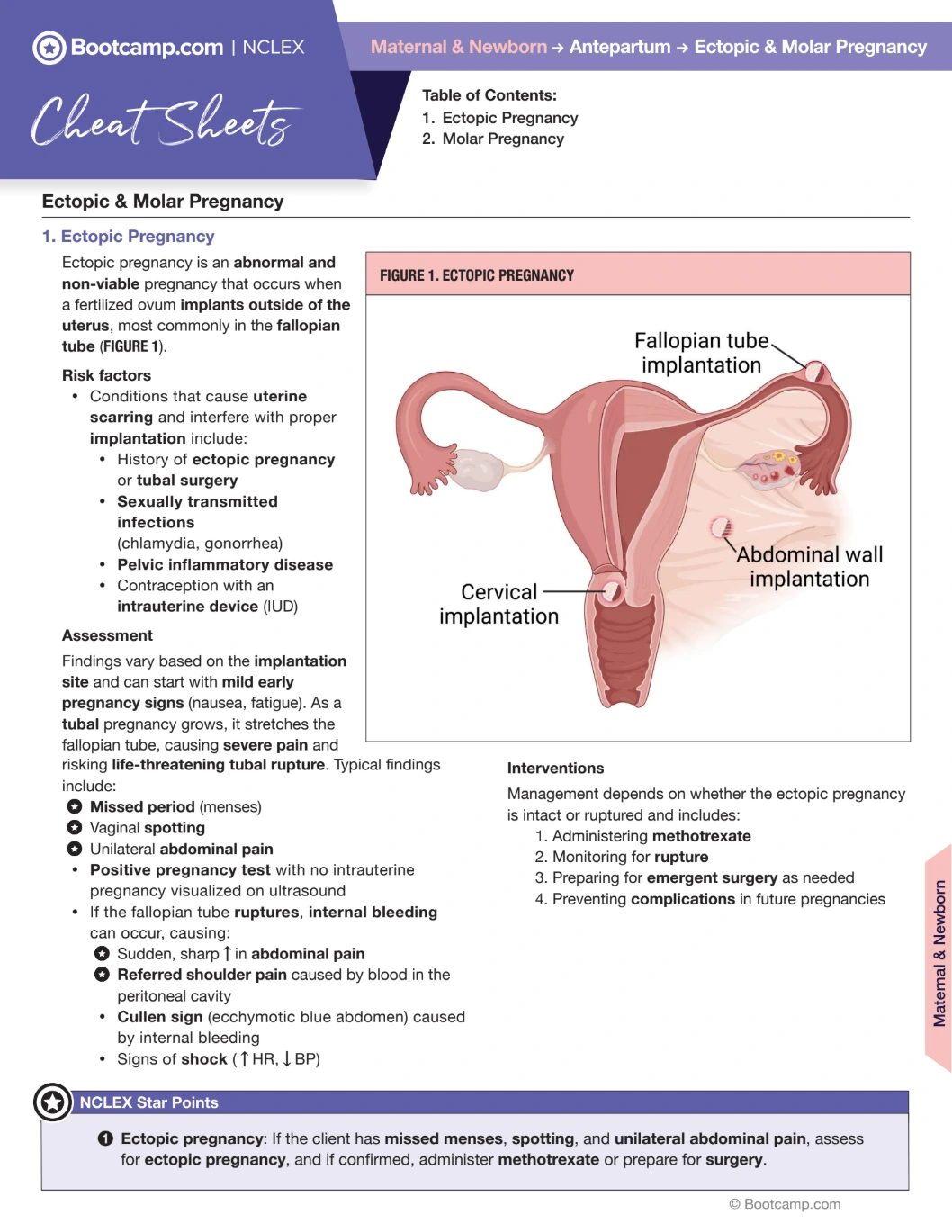
This cheat sheet covers ectopic and molar pregnancy. It explains how an ectopic pregnancy implants outside the uterus, most often in the fallopian tube, and risk factors like prior tubal surgery and STIs.
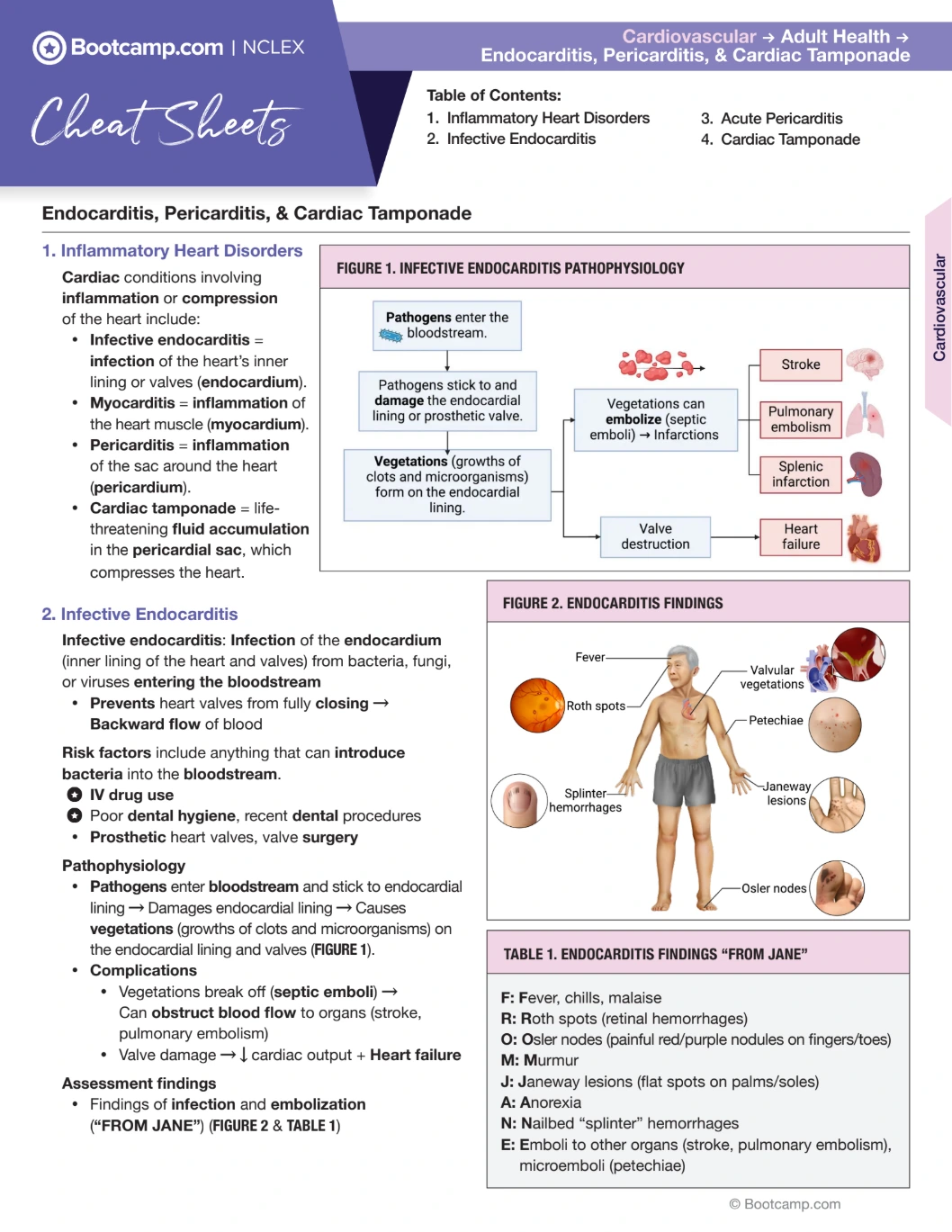
This cheat sheet covers inflammatory heart disorders, including infective endocarditis, acute pericarditis, and cardiac tamponade. It explains how each affects the heart's lining, muscle, or surrounding sac, and emphasizes recognizing life-threatening cardiac compression.
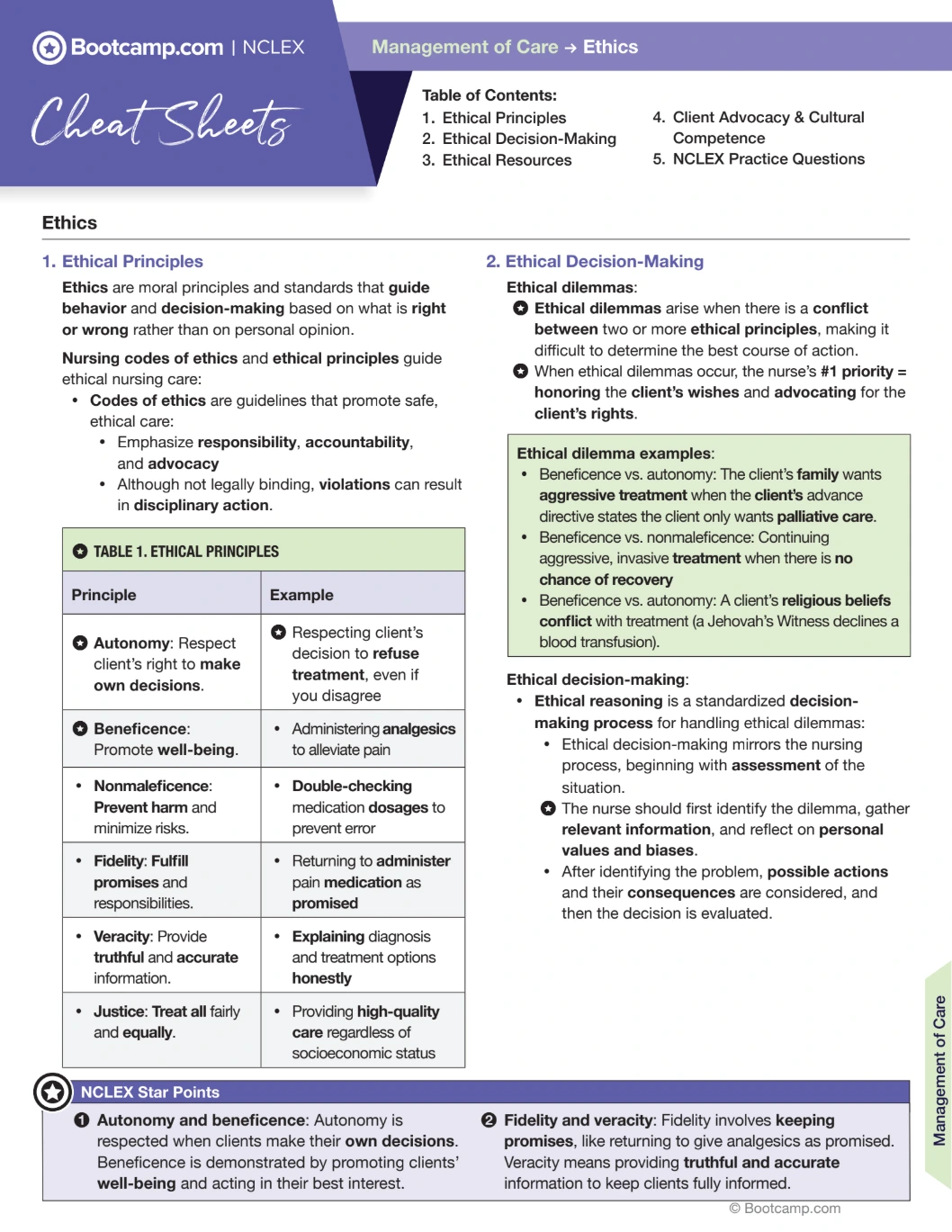
This cheat sheet covers ethical principles, ethical decision-making, ethical resources, and client advocacy and cultural competence, with NCLEX practice questions. It explains how nursing codes of ethics guide safe, ethical client care.
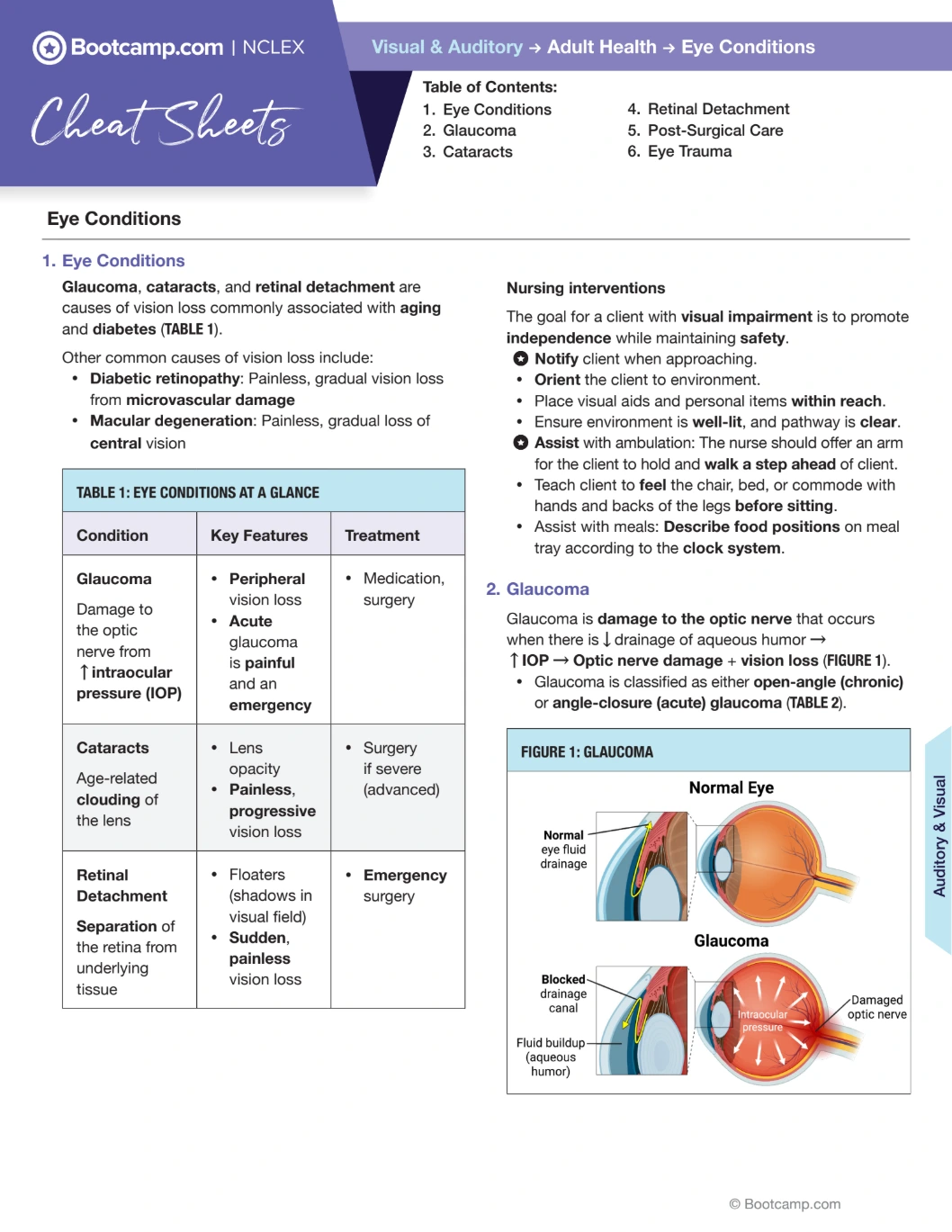
This cheat sheet covers eye conditions like glaucoma, cataracts, retinal detachment, diabetic retinopathy, and macular degeneration, plus post-surgical care and eye trauma. It compares the key features and treatments for each cause of vision loss.
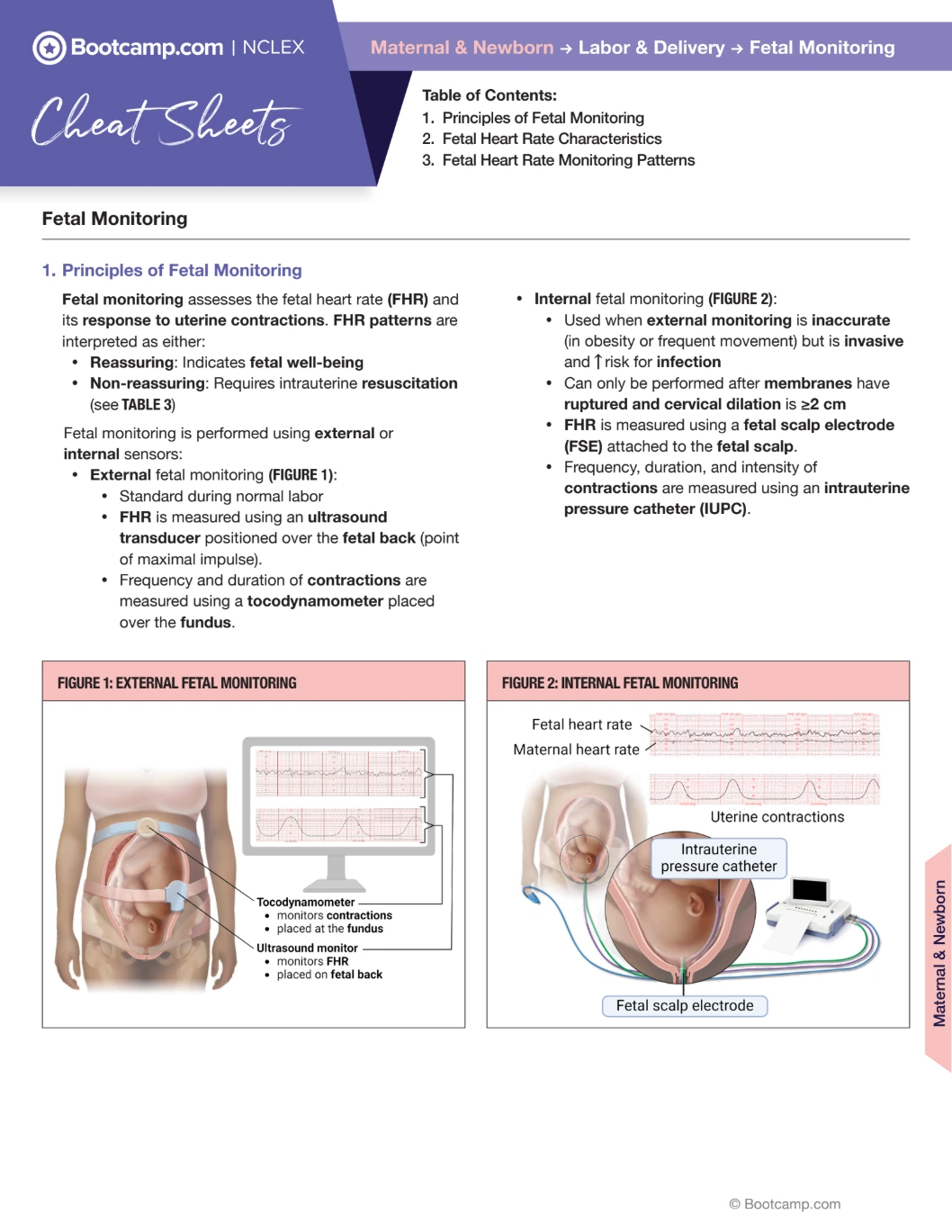
This cheat sheet covers the principles of fetal monitoring, fetal heart rate characteristics, and FHR monitoring patterns. It explains how to tell reassuring from non-reassuring patterns and when to start intrauterine resuscitation.
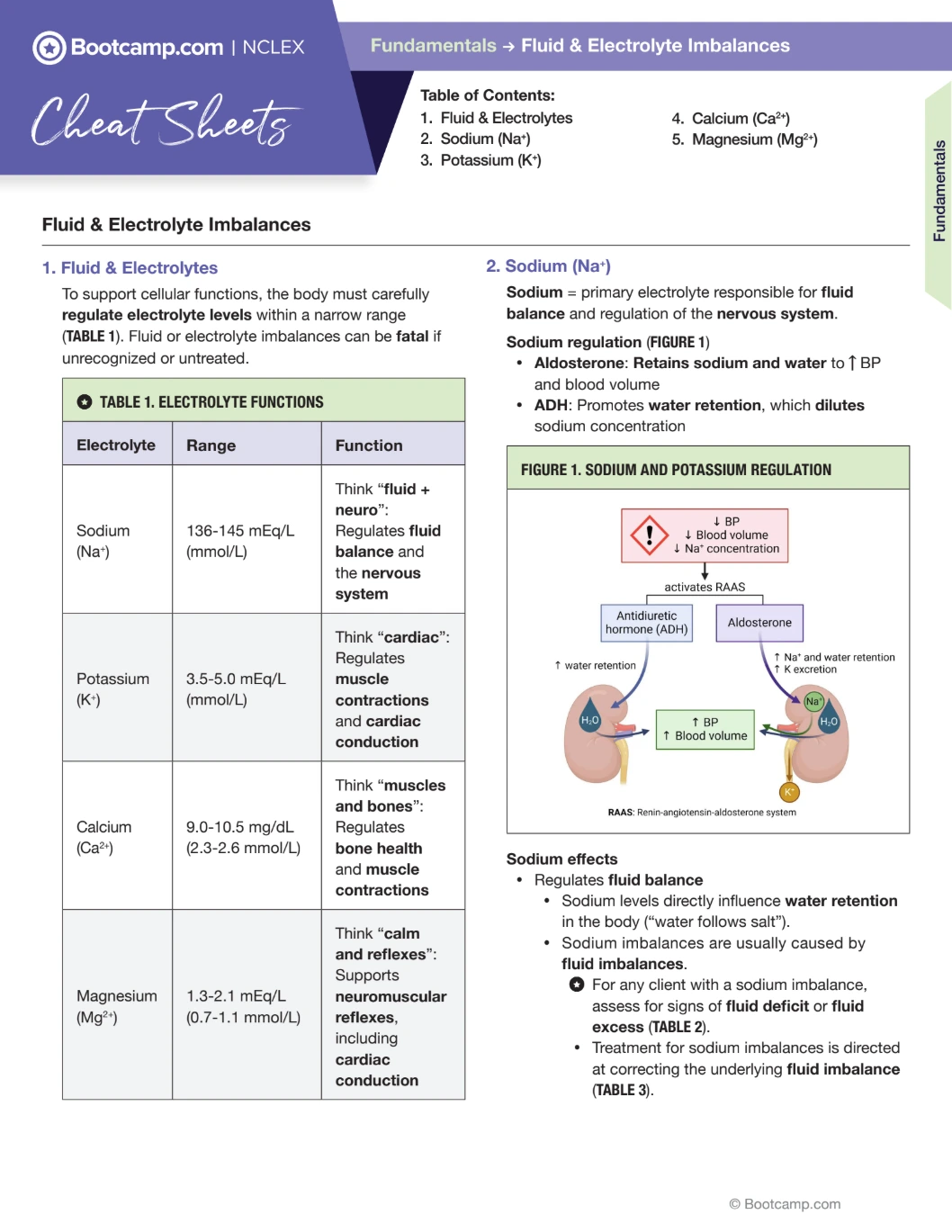
This cheat sheet covers fluid and electrolyte imbalances, including sodium, potassium, calcium, and magnesium. It explains each electrolyte's normal range and function, emphasizing that imbalances can be fatal if unrecognized or untreated.
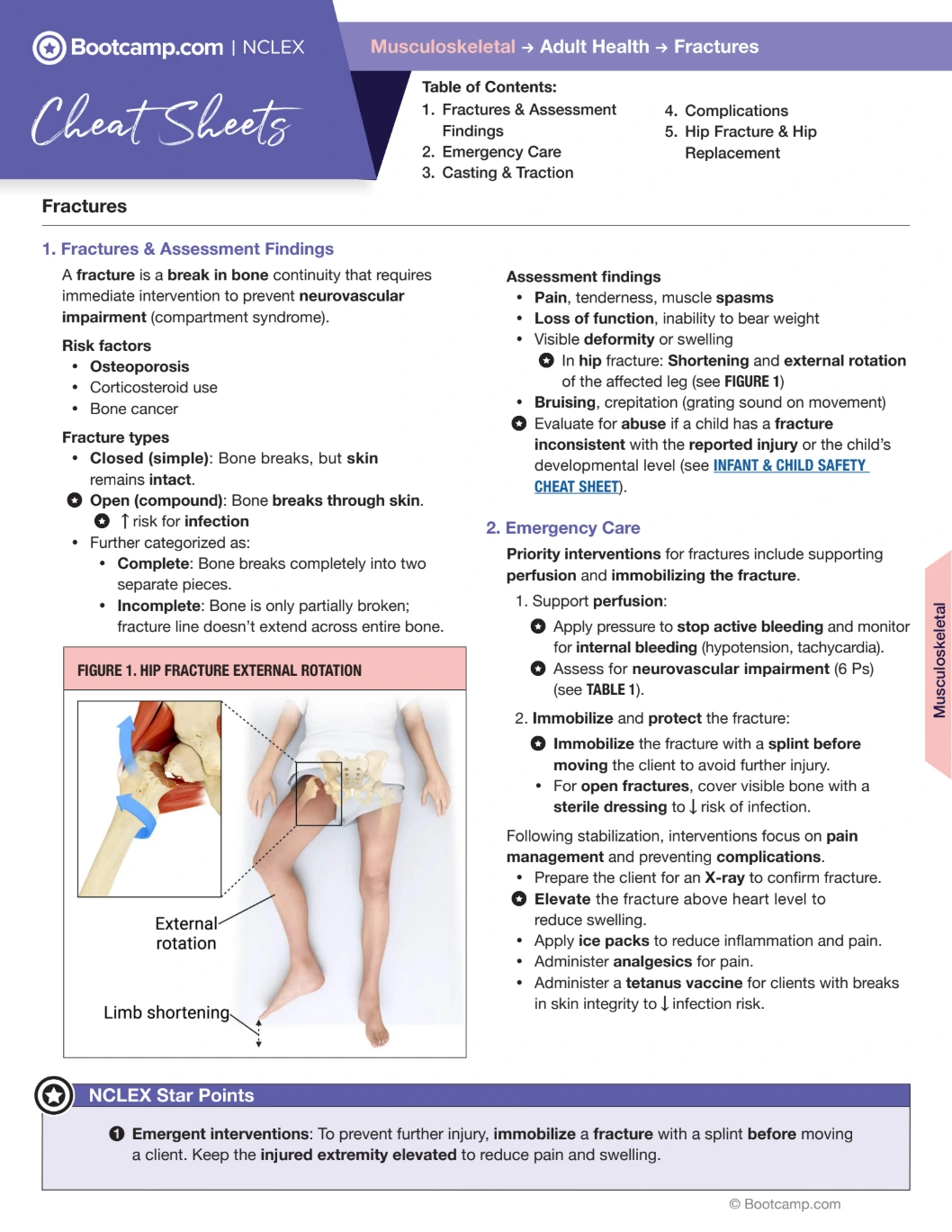
This cheat sheet covers fractures, including assessment findings, emergency care, casting and traction, complications, and hip fracture and hip replacement. It emphasizes immobilizing a fracture before moving the client and monitoring neurovascular status to catch compartment syndrome.

This cheat sheet covers GERD, peptic ulcer disease, and GI bleeding. It explains how a weak lower esophageal sphincter causes reflux and emphasizes recognizing findings like heartburn and regurgitation before complications such as strictures develop.
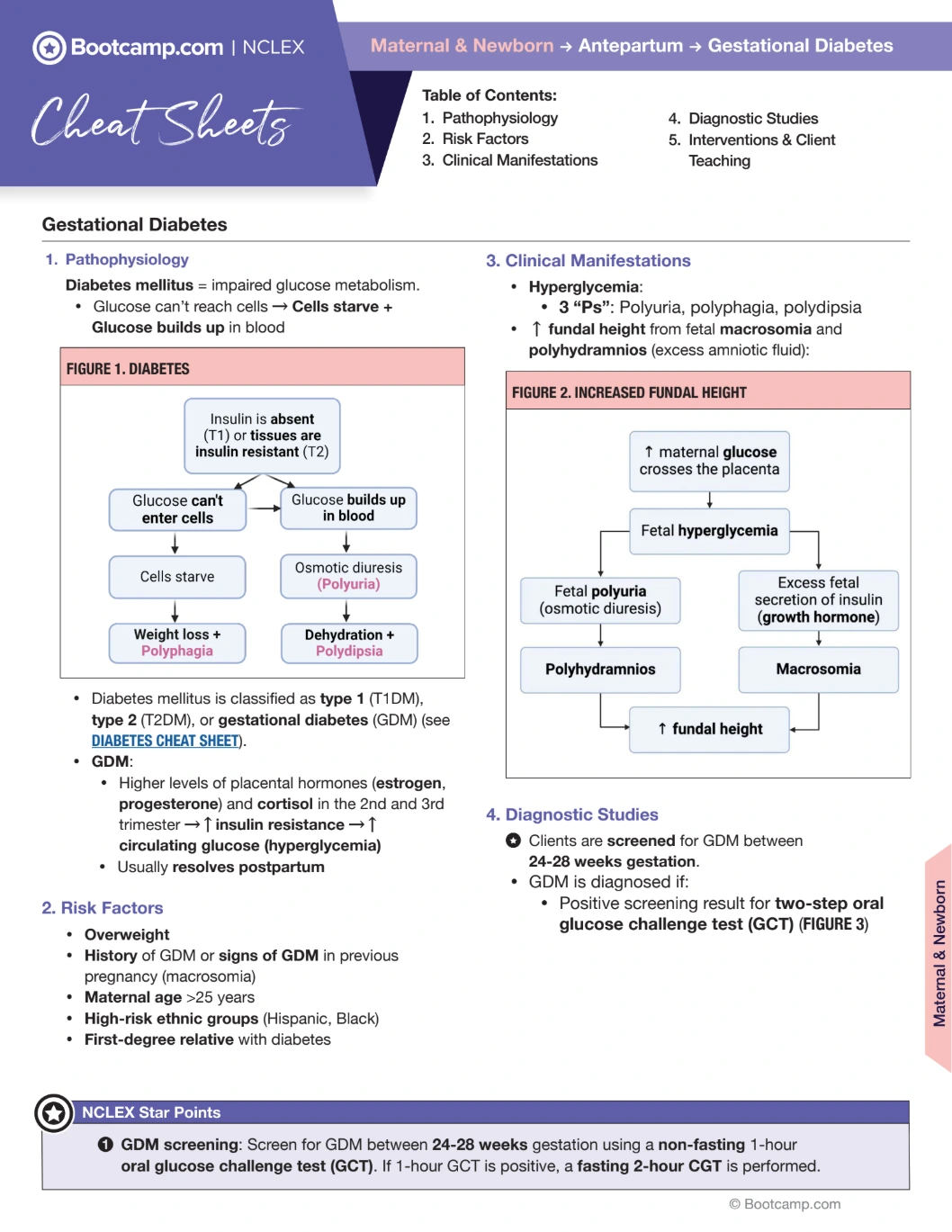
This cheat sheet covers gestational diabetes, including pathophysiology, risk factors, clinical manifestations, diagnostic studies, and interventions and client teaching. It explains how placental hormones affect glucose metabolism during pregnancy.
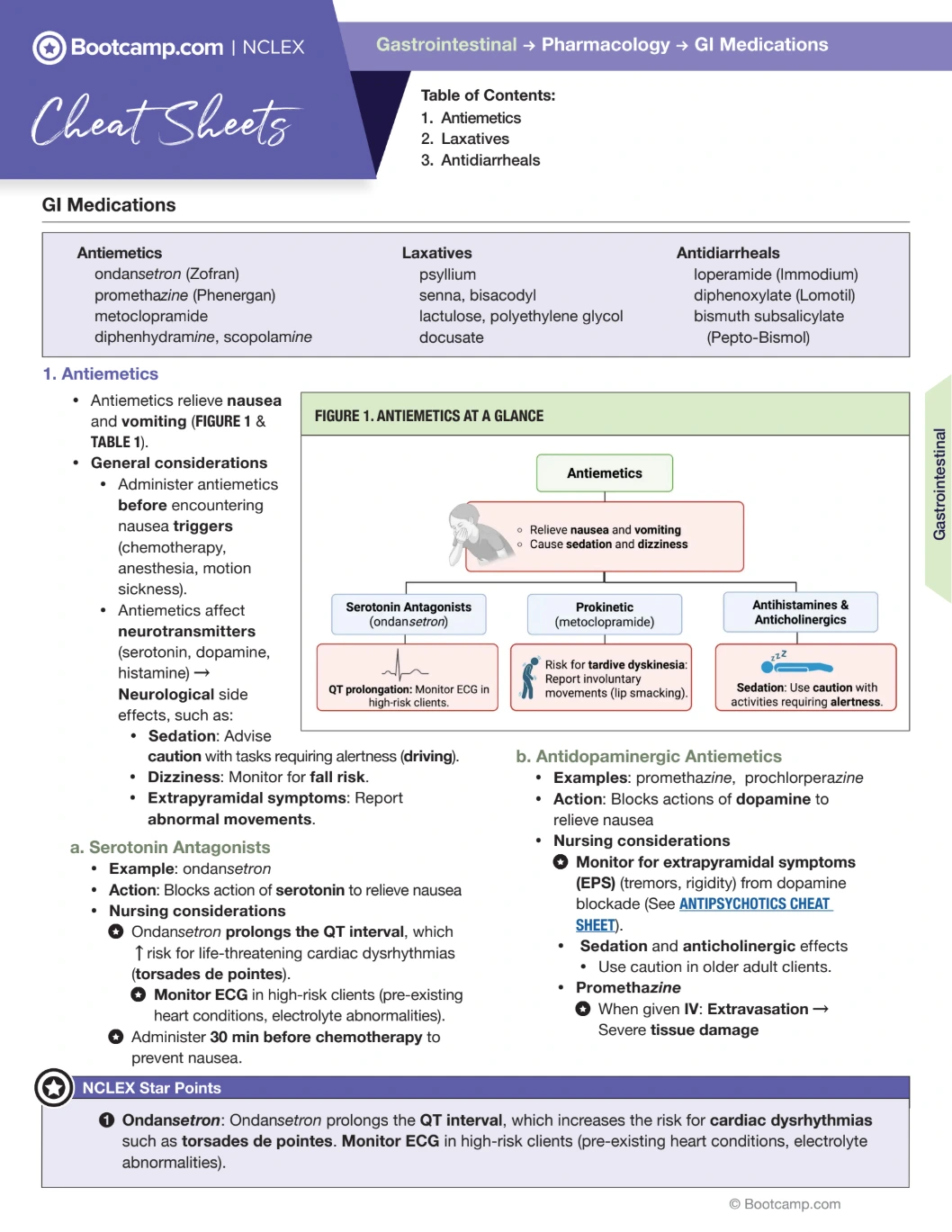
This cheat sheet covers GI medications, including antiemetics, laxatives, and antidiarrheals. It emphasizes giving antiemetics before nausea triggers like chemotherapy and monitoring for side effects like sedation and QT prolongation with ondansetron.

This cheat sheet covers HIV pathophysiology, prevention methods like safe sex and needle safety, and emphasizes the importance of preventing transmission and using PrEP/PEP to lower infection risk.

This cheat sheet summarizes legal aspects of nursing care, including nurse practice regulations, torts (battery, assault, negligence), reducing legal liability through adherence to practice standards, and protecting client rights.

The cheat sheet covers nurse practice regulations and legal liability. It outlines torts like battery, assault, and negligence, with examples. It emphasizes reducing liability by maintaining practice standards and protecting client rights.

This cheat sheet highlights nursing interventions after delivery, focusing on newborn stabilization, APGAR scoring, and ensuring safety. Key points include airway management, thermoregulation, and parental education.

This cheat sheet compares placenta previa and placental abruption, focusing on symptoms, risk factors, and interventions. It highlights the importance of avoiding placental disruption and managing bleeding to prevent complications.

The cheat sheet covers postpartum care, focusing on monitoring blood loss, infection, perineal care, ambulation, and managing hemorrhage, bladder distention, uterine contractions, and fundal assessment.

This NCLEX cheat sheet covers postpartum hemorrhage, detailing causes (4 Ts), interventions, pathophysiology, assessment criteria, and priority actions for nurses. It includes key NCLEX points for quick reference.

This cheat sheet outlines analgesic drug classes (nonopioid, opioid, and adjuvant), nursing considerations for pain management, and key information on nonopioid analgesics like acetaminophen and NSAIDs.

This cheat sheet on safety covers the use of restraints, including types, selection criteria, and usage guidelines. It emphasizes the importance of using restraints as a last resort and includes assessment protocols.

This cheat sheet on schizophrenia covers its pathophysiology, symptoms, and interventions. It explains positive and negative symptoms, and emphasizes safety measures, including assessing for violence and suicidal ideation.

Sickle cell disease (SCD) is a genetic condition where abnormal RBCs cause ischemia and anemia. Sickle cell crises result from dehydration, hypoxia, or infection, leading to severe pain and complications.

This NCLEX cheat sheet focuses on stroke in adult health neurology. It illustrates the two main types of stroke - ischemic and hemorrhagic - with clear diagrams.
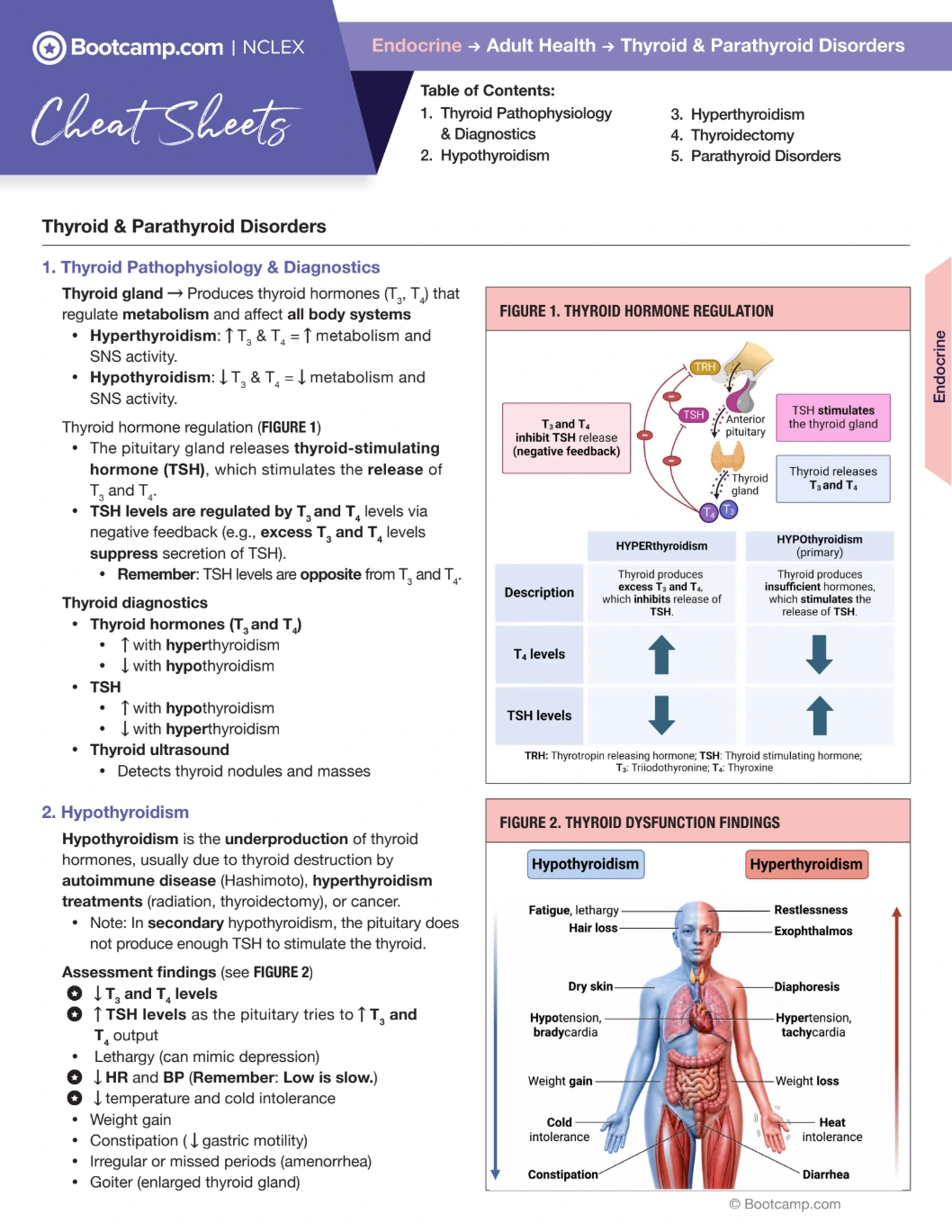
This cheat sheet covers thyroid and parathyroid disorders, focusing on thyroid hormone regulation, hyperthyroidism, hypothyroidism, thyroidectomy, and related diagnostics and symptoms.

This cheat sheet covers urinary tract infections (UTIs), focusing on symptoms, risk factors, and assessment findings. It includes UTI care steps like treating infection, bladder emptying, and preventing recurrence.





