
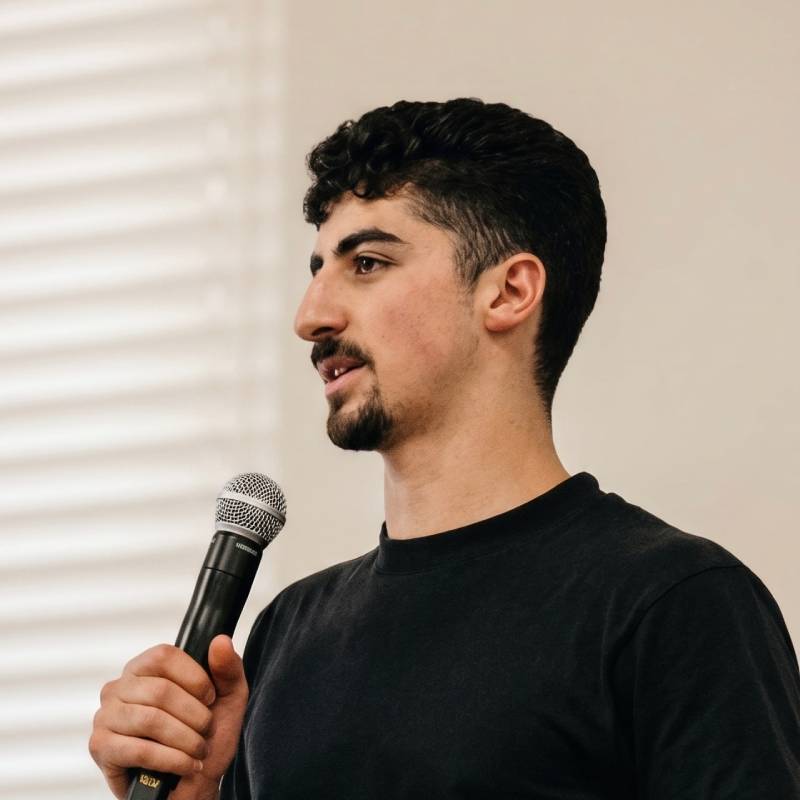
Hey! I’m Hamza. Here is the advice I wish I had been told before starting, so read along!
For some background, I studied for the DAT in the Spring quarter of my Junior year. I started studying on March 26th, 2026, took the DAT on June 15, 2026, and received my scores on July 9, 2026. I am not taking a gap year, so I submitted my dental school applications soon after I received my scores!
A lot of the other success stories break their advice down per DAT subject, which is great! Read those for more per-subject input. Instead, I’ll do my best to give you the most concise and comprehensive advice you can apply to everything:
1. Give Yourself Permission to Absolutely SUCK
You are going to get a lot of questions wrong on Bootcamp (lol). I am going to keep repeating this throughout because I needed to tell myself this over and over when studying: you are NOT expected to know everything off the bat, so DON’T BEAT YOURSELF UP for getting things wrong!
DAT Bootcamp is literally structured so you can learn from your mistakes. That way, you don’t make those same mistakes on the real DAT! Don’t beat yourself up if you need to guess on questions. The most important thing is that you pay attention to the explanation after you submit your answer. Even if you get the question right, READ through the answer explanations to understand why the other answer choices are wrong. This was what helped me solidify my understanding of the material the most.
Giving myself permission to suck was the biggest mental breakthrough for me. In the beginning, I would feel extremely discouraged over getting answers wrong, whether that be for Bio, PAT, or any other section. Pattern Folding on the PAT was especially tough for me at first. Once I shifted my perspective from “I need to get this right” to “I need to make sure I understand this, regardless of whether I get it right or wrong,” it completely changed my mental wellbeing and I felt a lot more confident while studying.
2. MANAGE YOUR TIME
If you are planning on studying for the DAT during a semester/quarter, I definitely recommend taking a very light course load so you can focus on studying! I only took one major class and two easy online GE classes during my Spring quarter, and I am SO glad I didn’t put anything else classes-wise on my plate. Taking the time out to study is a lot, but it’s definitely worth it.
Make sure you give yourself enough time to complete and digest all the sections, bites, and question banks! I ran out of time towards the end (Spring quarter finals 🥲) and had to rush through the last few sections, especially bio. Be realistic. Don’t plan to study for 7 hours on a Thursday knowing you have class, gym, work, and whatever else you have going on in your life. Studying for that long is just not gonna happen.
Important note: If life hits you hard during your studying journey, don’t beat yourself up over it. Some setbacks are just unexpected, inevitable, and unavoidable, and you shouldn’t feel guilty for not accounting for that.
Do practice Perceptual Ability problems DAILY as soon as you go over the videos! I did 10 practice problems from each section daily (5 per section if busy). Don’t feel bad if you miss a day or two. As long as you’re consistent, you’ll get better! Do them daily until the day before the exam. Don’t slack off thinking you’re “good enough” or that you’ve “mastered” the PAT section. It’s a skill, and if you don’t keep practicing it every day until the day before the exam, you will get sloppy!
If you don’t have SOME form of study plan… you’re cooked. I personally found the study schedule extremely helpful because it just gave me what to do and when to do it. I’ve heard people say it “sucks”, but then they end up slacking off or not studying properly because they don’t have their own plan. I didn’t even have to worry about creating my own plan! Use Bootcamp’s schedule, and if not, then create your own plan from the beginning. Knowing what to do from the get-go saves you so much time and mental bandwidth rather than wasting it trying to figure out what to study next.
Sleep well. Don’t try to sacrifice sleep for studying. It may work for one or two days, or even a week, but the lack of sleep will catch up to you sooner than you think. Studying for the DAT is like a marathon. You need to pace yourself!
3. Practice Tests Show Your Weaknesses
Take AS MANY practice tests as you can! Sometimes they have obscure questions that weren’t talked about in the material but could show up on the real DAT. Bootcamp even mentions that “this is a tough one, but is fair game on the exam.” Yeah… it is what it is. Take the practice tests, read the explanations, and try to absorb as much info as you can. The more exposure you have to the questions, the better! Due to lack of time, I was only able to complete 4 of the 10 practice tests. I believe I definitely would’ve been more prepared (especially for curveball bio questions) had I been able to do all of them.
Once you take your first couple tests, review them and see where your weak spots are. Then, if you have time, dedicate a day (or a few) to hammer out those weak sections. That way, you don’t make the same mistakes on the next test. This was the case for me with Quantitative Reasoning (QR, aka math). It was a consistent weak spot on my first 2 tests, so I decided to spend 2 days focusing only on QR. There are only a handful of types of questions they can ask, so once you master each type, you’ll do well. I went from around a 420-430 on my initial practice tests to a 500 on the real DAT!
I hope this helped! Overall, Bootcamp is a great resource that will get you prepared for the DAT. The most important thing is to go into the testing room knowing you studied your hardest and gave it your all. Good luck!





